
Last updated November 21, 2026
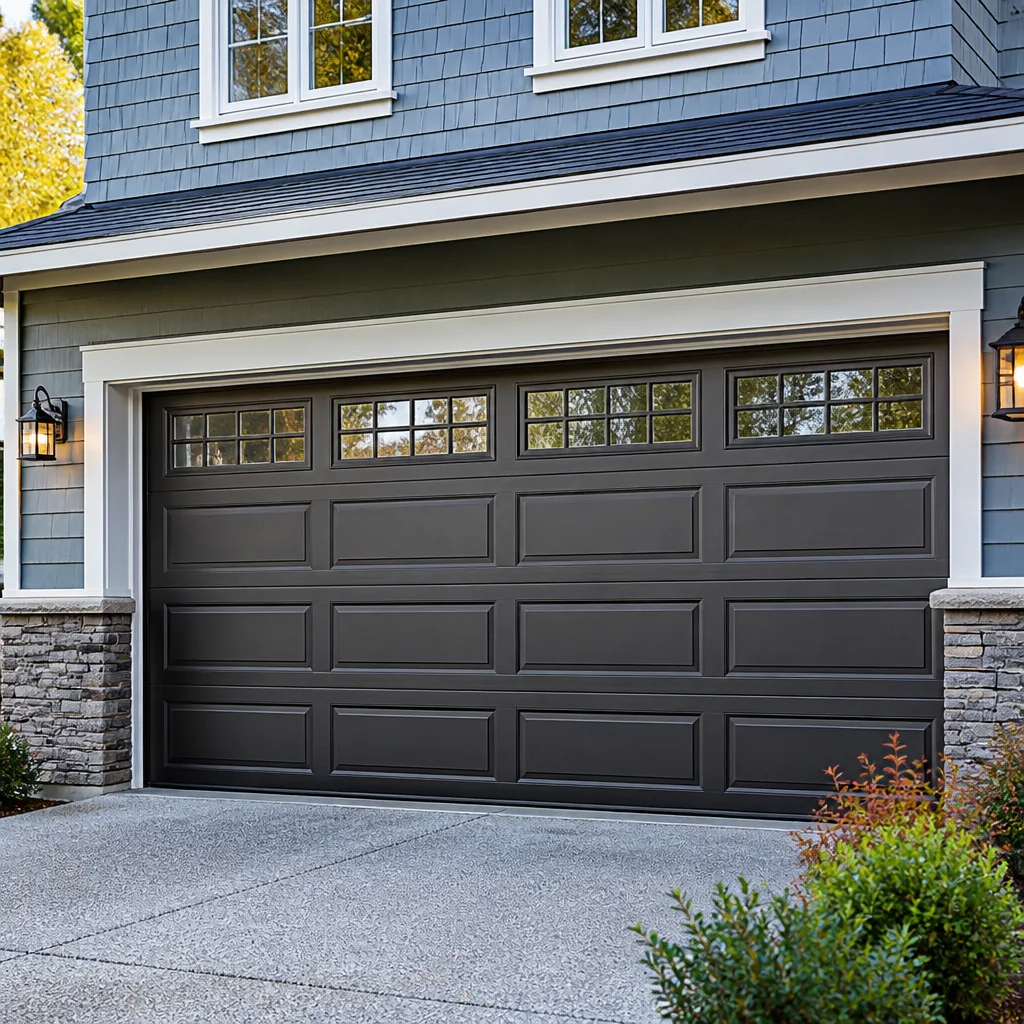 Raised-panel steel
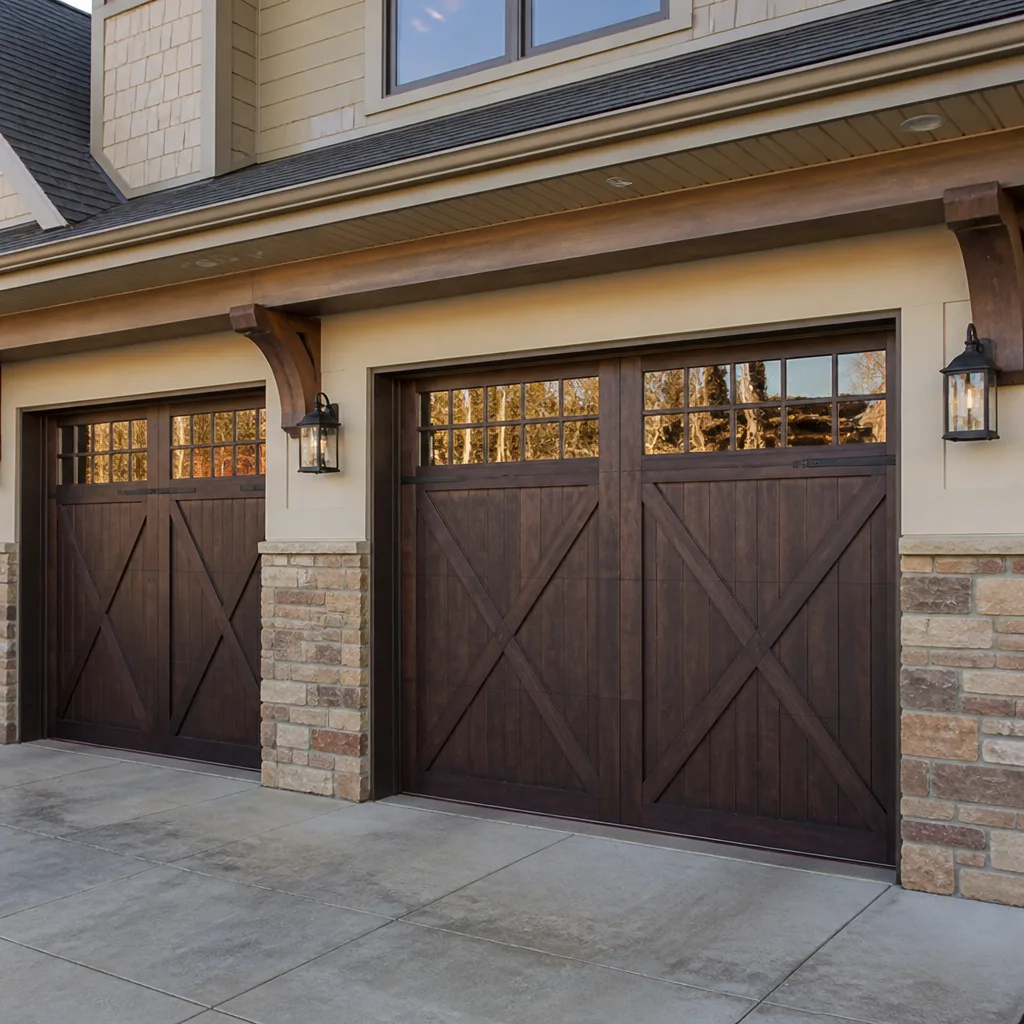 Carriage house
 Modern flush
 Full-view glass
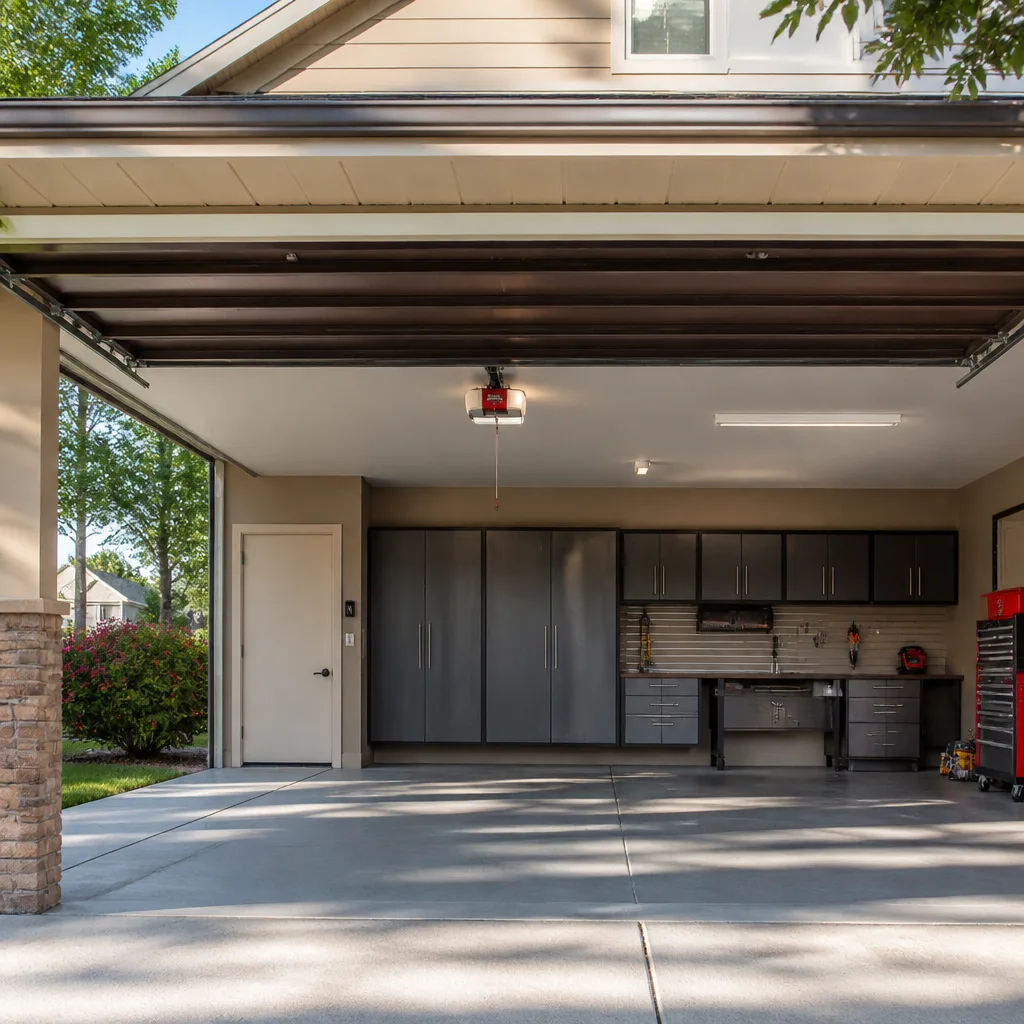 LiftMaster openers
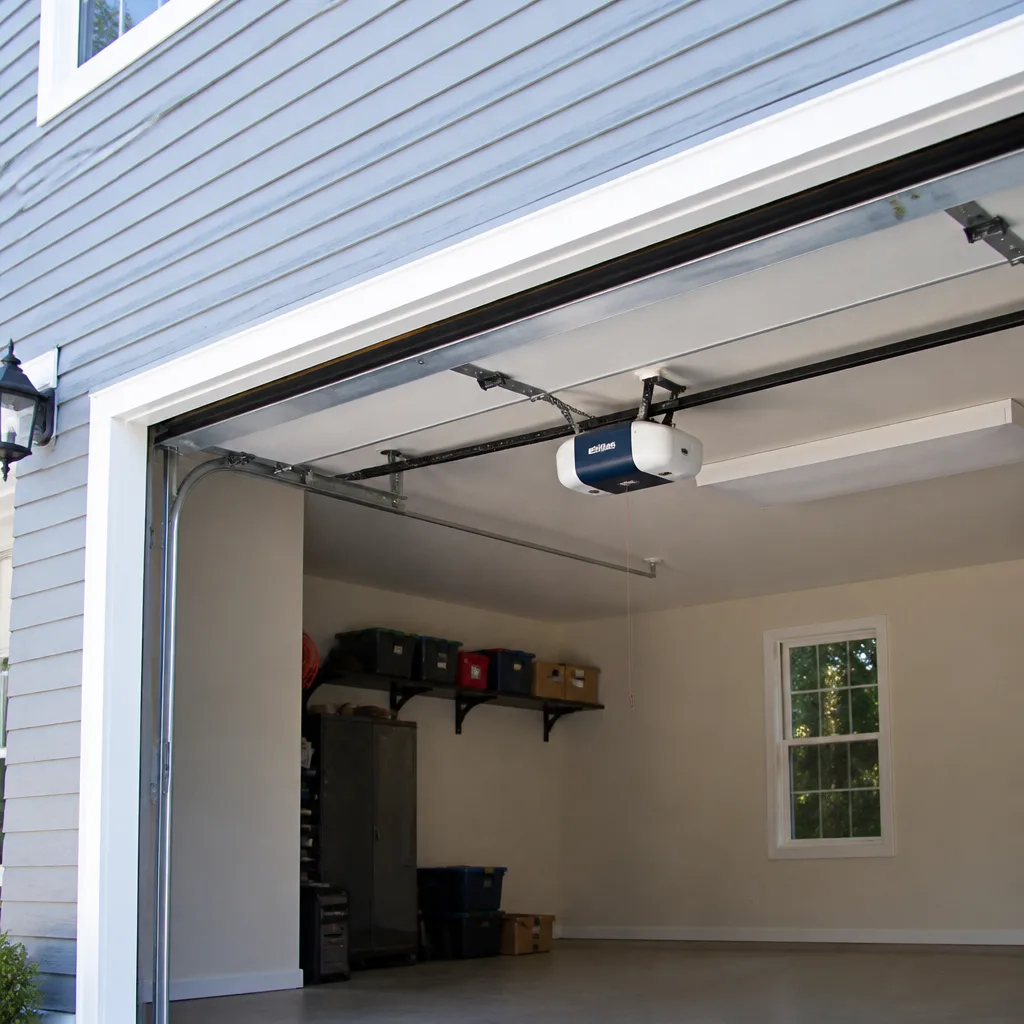 Chamberlain openers
Full 25-point door and opener safety check with every visit - springs, cables, rollers, tracks, and your LiftMaster or Chamberlain opener included
You get a price before we start. It does not change when the pro arrives.
Get your free estimateGarage Door Repair Maintenance Checklist for Bristol Homeowners
Ask most homeowners what breaks a garage door in winter and you’ll hear “a snapped spring.” In our experience, the call we take most often when the temperature drops in Bristol is caused by something far more preventable: a door that hasn’t been lubricated, balanced, or looked at in two years. The moving parts dry out, the door starts working harder than it should, and a component that should have lasted years gives out early. This checklist is built around what actually fails on Bristol doors, which steps you can safely do yourself and which ones to leave alone, how road salt and summer humidity change your lubrication schedule, and how to log it all so a technician can diagnose a problem faster if one appears.
Quick Answer
A working garage door maintenance routine in Bristol covers four things: lubrication of the rollers, hinges, and springs every few months; a balance and safety-reverse test once a season; a visual inspection of cables, springs, and hardware for wear or rust; and a written log of what you did and when. The one task most homeowners skip – and the one that causes the most premature failures – is lubrication, because a dry door strains every other part. Springs, cables, and any work involving the torsion assembly are not DIY territory; those are for a trained professional.
Styles & brands we work with
- Raised-panel steel
- Carriage house
- Modern flush
- Full-view glass
- LiftMaster openers
- Chamberlain openers
Table of Contents
- Why Bristol Doors Wear Differently
- The Monthly Walk-Around
- Lubrication: The Task That Breaks Doors When Skipped
- The Balance and Safety-Reverse Test
- What’s DIY-Safe and What Isn’t
- The Three Components Bristol Homeowners Neglect Most
- How to Log Your Maintenance
- Seasonal Timing, Not Calendar Months
Why Bristol Doors Wear Differently
Bristol sits in a part of Connecticut where the door on your garage faces two things most manufacturer maintenance schedules don’t account for: a long, cold winter with freeze-thaw cycles, and a humid summer. The manufacturer’s default advice is usually written for a mild, dry climate. It doesn’t reflect what happens to a door on a Bristol street where the road gets salted heavily through the winter and the air gets thick with moisture in July and August.
Cold does two things. It thickens lubricant that wasn’t rated for low temperatures, so a door that rolls smoothly in October feels stiff and noisy in January. And it makes metal brittle, which is when a spring or cable that was already stressed decides to let go. Summer does the opposite but with its own problems: humidity works its way into hinges, bearings, and the bottom of the door, and any spot where the factory paint has chipped starts to rust. That rust is small at first and easy to ignore, and it’s one of the most common things we find when we arrive at a garage door repair call.
The other local factor is road salt. If you park a salt-covered car in the garage, the salt gets tracked onto the floor, splashed against the bottom panel, and carried on the rollers over time. Salt doesn’t just cause rust on the door skin; it dries out lubricant and accelerates wear on the moving parts. That’s why a Bristol door generally needs more frequent attention than a door in a drier climate, and why the checklist below front-loads lubrication. If you own a Wayne Dalton or a Raynor door – both common in this area – the hardware is durable, but no manufacturer builds a hinge that tolerates years of salt and grit without grease.
The Monthly Walk-Around
You don’t need tools or a manual for the first step. A five-minute physical check once a month catches most problems while they’re still cheap to fix. Do it with the door closed, and again as it opens. Here’s the routine:
- Look at the door from inside. Stand in the middle of the garage and see if the bottom edge sits level with the floor. A door that’s higher on one side is telling you something is out of balance.
- Run the door and listen. A steady hum is normal. Rumbling, squealing, grinding, or a bang is not – note which part of the travel makes the noise.
- Check the rollers by hand. With the door closed, try to wiggle each roller in its bracket. If it moves loosely or wobbles, the roller is worn. If it’s stiff and doesn’t spin freely, it needs lubricant.
- Inspect the hinges. Look for loose screws, bent metal, or white corrosion. Tighten screws that have backed out, but don’t force a screw that’s spinning in a stripped hole – that’s a sign the hinge needs replacing.
- Scan the bottom seal. The rubber weatherstrip along the bottom should touch the floor along its full length. Gaps let in water, cold air, and small pests, and they’re one of the cheapest fixes on the whole door.
- Look at the springs and cables – from a distance. You’re looking, not touching. Note rust, gaps in a spring coil, or a cable that’s frayed or hanging loose, then stop and call.
A monthly walk-around isn’t about doing repairs. It’s about early detection. The most expensive garage door problems in Bristol are the ones that started as a squeak and were ignored for a year.
Lubrication: The Task That Breaks Doors When Skipped
This is where the counterintuitive part comes in. A door that hasn’t been lubricated in two years isn’t just louder – every moving part is working harder. The opener motor strains. The springs carry more load than they should. Rollers wear flat. And when a component fails, it’s often the motor or the spring, which makes it look like the breakdown came out of nowhere. It didn’t. It was the four-minute task nobody did.
Here’s what to lubricate and with what:
- Rollers and their bearings: a few drops of white lithium grease or a silicone-based lubricant on each roller axle. Don’t douse them – a light coat is enough, and too much attracts grit.
- Hinges: a small amount at each hinge pivot point, worked in by opening and closing the door a few times.
- The torsion spring and the bearing plates at the ends of the shaft: light grease only. Do not touch the spring while the door is under tension.
- The track: a light coat of silicone spray, not grease. Grease on a track collects dirt and dust and turns into a sticky paste that the rollers drag through.
- The opener chain or belt: a manufacturer-specific lubricant, per your owner’s manual. Check your model, because a LiftMaster chain and a Craftsman chain don’t necessarily call for the same product.
Bristol’s road salt and summer humidity pull the schedule tighter than the manufacturer’s default. Where a manual might suggest annually, we generally recommend checking and topping off lubrication every three to four months for a home near a salted road or a door that faces the weather. If your door is sluggish in January, lubricate it before the cold sets in, not after – a lubricant that’s rated for cold is doing more good in November than in February.
The Balance and Safety-Reverse Test
These two tests are the fastest way to know if your door and opener are doing their jobs safely. Both are quick, both are done without tools, and both should be on your seasonal routine.
The balance test: with the door closed, pull the manual release cord to disconnect the opener. Lift the door by hand to about waist height and let go. A properly balanced door stays put. If it drops, or rises on its own, the springs aren’t carrying the weight evenly, and the opener is compensating for it every single time you use the door – which wears the opener out faster and can make a failure more likely.
The safety-reverse test: with the door connected again, place a piece of wood or a roll of paper towels about an inch high flat on the floor in the door’s path. Run the door closed and watch. The door should reverse when it touches the object. If it doesn’t, the safety sensors or the opener’s force setting needs adjustment – and a door that doesn’t reverse is a genuine safety problem, not a nuisance. Test the photo-eye sensors separately by blocking the beam with your foot; if the door doesn’t stop, the sensors need attention.
Most openers from LiftMaster, Chamberlain, and Genie have these settings built in, and adjusting them is usually a matter of a dial or a button on the motor housing. That said, if a door fails the safety-reverse test no matter how you adjust it, that’s when you stop and book a visit. A trained professional can diagnose whether it’s the sensors, the opener’s logic board, or the door’s balance, and that’s covered in more depth under garage door opener repair.
What’s DIY-Safe and What Isn’t
Not every maintenance task is a homeowner task. This is the part of the checklist where it’s better to know your limits than to be brave. Some garage door components have injured homeowners who thought a job looked routine.
Safe to do yourself:
- Lubricating rollers, hinges, and the track (per the previous section)
- Tightening loose hinge and bracket screws
- Visual inspection of springs, cables, and hardware – looking only, from at least a few feet away
- Cleaning the tracks with a dry cloth to remove dust and grit
- Replacing the rubber bottom seal, if you’re comfortable with the door’s height
- Testing the safety reverse and the photo-eye sensors
- Setting the opener’s force and travel limits if the manual explains it clearly
Not safe – these belong to a trained professional:
- Torsion springs and extension springs. Springs store an enormous amount of energy and can release it suddenly if a tool slips or the wrong winding is used. Never touch them under tension, never try to tighten a bracket that holds a spring, and never attempt to wind a spring yourself.
- Cables. Cables are under the same tension as the springs and can whip loose with serious force. If you see a frayed cable, stop and call.
- The torsion shaft and the center bearing plate. These carry the spring load across the whole door.
- Any adjustment to a door that’s off its track. A door that’s hanging or jumping the track can fall. Don’t try to muscle it back.
We treat spring and cable work as one of the most technically demanding jobs in the trade, and we offer garage door spring repair as a dedicated service for exactly that reason. If a check turns up a spring or cable problem, put the checklist down and make a call.
The Three Components Bristol Homeowners Neglect Most
Based on what we see on repair calls around Bristol, three components get skipped more than any other. Each one is cheap to look after and expensive to replace once it fails.
1. Lubrication. This is the headline for a reason. It’s invisible – nobody sees a dry hinge until it squeaks, and by the time it squeaks, the wear has already started. Consistent lubrication is the single highest-return task on the whole checklist. If you do nothing else, do this.
2. The bottom seal and the perimeter weatherstripping. A worn seal goes unnoticed until water in the garage or a cold draft makes it obvious. A cracked bottom seal lets in moisture that rusts the bottom panel and works its way into the hardware. Replacing the seal is inexpensive and quick, and it protects the door. Check the seal in spring after the freeze-thaw season, when it’s most likely to have torn.
3. The opener’s safety features. Most people set the opener and never look at the sensors again. The photo-eyes drift out of alignment, the safety-reverse force drifts, and the door keeps working – until the day it doesn’t stop when it should. Testing these two safety functions once a season is the least glamorous task on the list and the one that matters most for a household with kids, pets, or a car parked under the door.
How to Log Your Maintenance
A maintenance log turns a vague “I think I checked that in the fall” into something a technician can use. If your door develops a problem six months from now, a written record tells the professional which parts are newest, what’s been lubricated and when, and what the door was doing before it failed. That speeds up diagnosis and can save you money on parts that don’t need replacing.
You don’t need anything fancy. A notebook in the garage, or a note on your phone, works. Include these entries:
- Date and task. Every lubrication, every balance test, every safety-reverse test. Even the ones that turned up nothing.
- What you noticed. “Squeak on the left side” or “bottom seal starting to crack” or “door felt heavy on the left.” Be specific about which part of the door.
- Any parts replaced. Bottom seal, rollers, hinges – note the brand and model if you have it.
- Opener details. The brand, model, and the last time the safety features were tested. If you have a LiftMaster or Craftsman opener, jot down the model number from the label on the motor housing. It makes future service faster.
- Door brand. If your door is a Clopay, Amarr, or another named brand, note it. Knowing the exact model helps a technician bring the right part the first time.
When you call us and mention the log, we can ask specific questions about what’s been done and when, instead of starting from scratch. That’s one of the small ways a homeowner can make a repair smoother.
Seasonal Timing, Not Calendar Months
Most garage door guides tie their advice to calendar months. That doesn’t fit a Bristol door, because the actual weather that stresses your door doesn’t follow the calendar either. Here’s how we’d time the tasks based on conditions rather than dates.
Before the first freeze. This is your most important window. Lubricate everything with a cold-rated lubricant, run the balance test, and check the bottom seal for gaps. Cold weather stiffens unlubricated parts and makes an out-of-balance door work harder. Get ahead of it.
Mid-winter, after the first heavy salt run. Check the bottom panel and the rollers for salt residue, wipe down what you can, and listen for new noises. Salt doesn’t wait until spring.
Spring, after the freeze-thaw cycle ends. Inspect the springs and cables carefully (from a distance) for rust or gaps, check the door’s alignment, and replace the bottom seal if it’s showing wear. Freeze-thaw is hard on the seal and on hardware.
Summer, during the humid stretch. This is when rust starts on any chipped paint. Touch up chips, lubricate the hinges and rollers to keep humidity out, and check the weatherstripping around the perimeter.
Fall, before the cold returns. Repeat the pre-freeze routine. One full lubrication and balance check in fall prevents most of what we see in winter.
Bristol’s seasons can shift a few weeks in either direction, so use the conditions as your signal, not the calendar. When the first hard frost is forecast, that’s your cue.
Common Mistakes to Avoid
- Greasing the track. Grease collects dust and grit and turns the track into a sticky strip the rollers drag through. Use a light silicone spray instead, and keep the track clean and dry.
- Using a general-purpose oil on everything. A lubricant that isn’t rated for cold thickens in winter. Use one that’s designed for garage door hardware, and use the right product for each part.
- Ignoring the bottom seal because it “looks fine.” In Bristol, freeze-thaw tears seals quietly. Check it in spring when the season ends, not just when you notice a draft.
- Testing the safety reverse with your hand. Use an object, not a hand or foot. If the door doesn’t reverse, you don’t want your body in the way.
- Tightening a spring bracket to stop a noise. Any bracket that carries spring tension is a hazard. If a spring or bracket is making noise, stop and call – the noise can be a warning sign.
- Never lubricating because the door “works.” A door works fine right up until the part that wasn’t maintained fails. Lubrication is preventive, and it’s the cheapest maintenance line on the door.
- Treating the opener as the whole system. The opener moves the door; the springs and balance do the real work. If the door is out of balance, replacing the opener won’t fix it.
See the difference
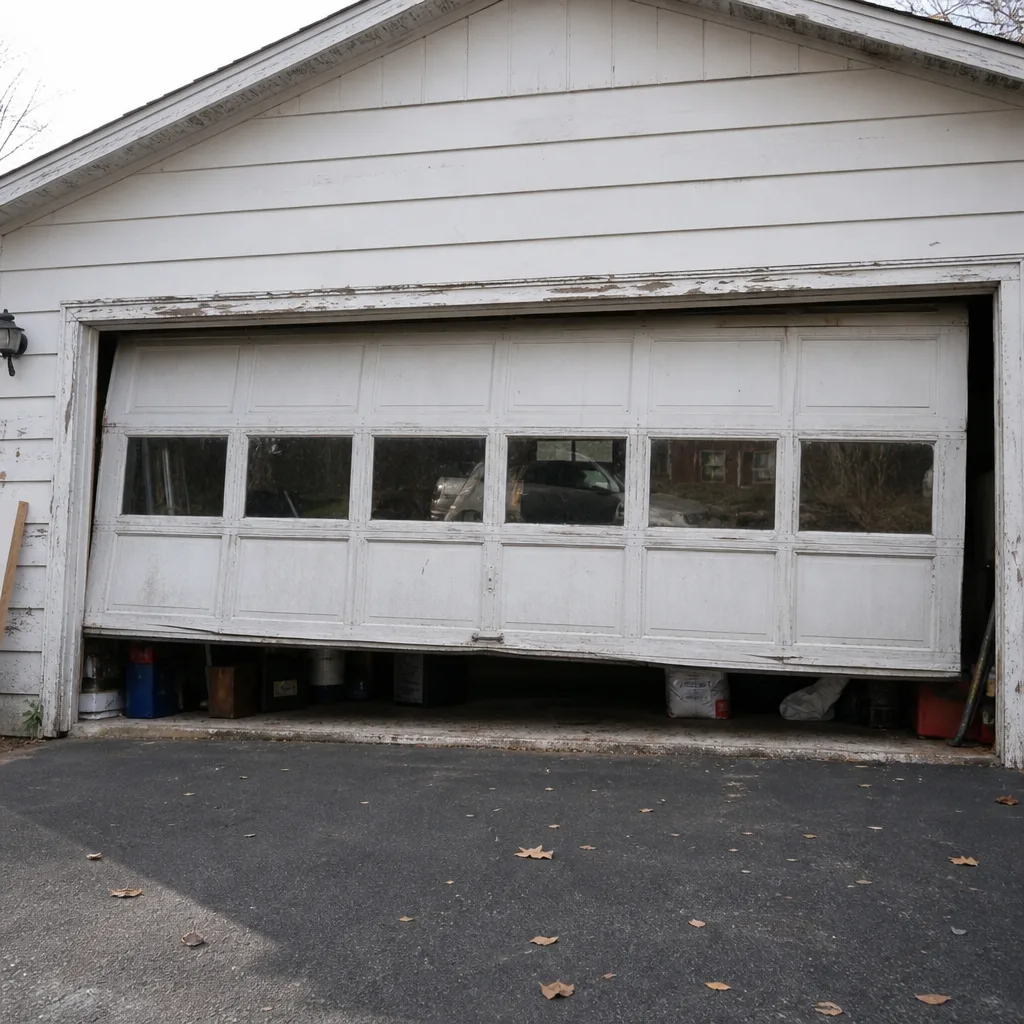 Before
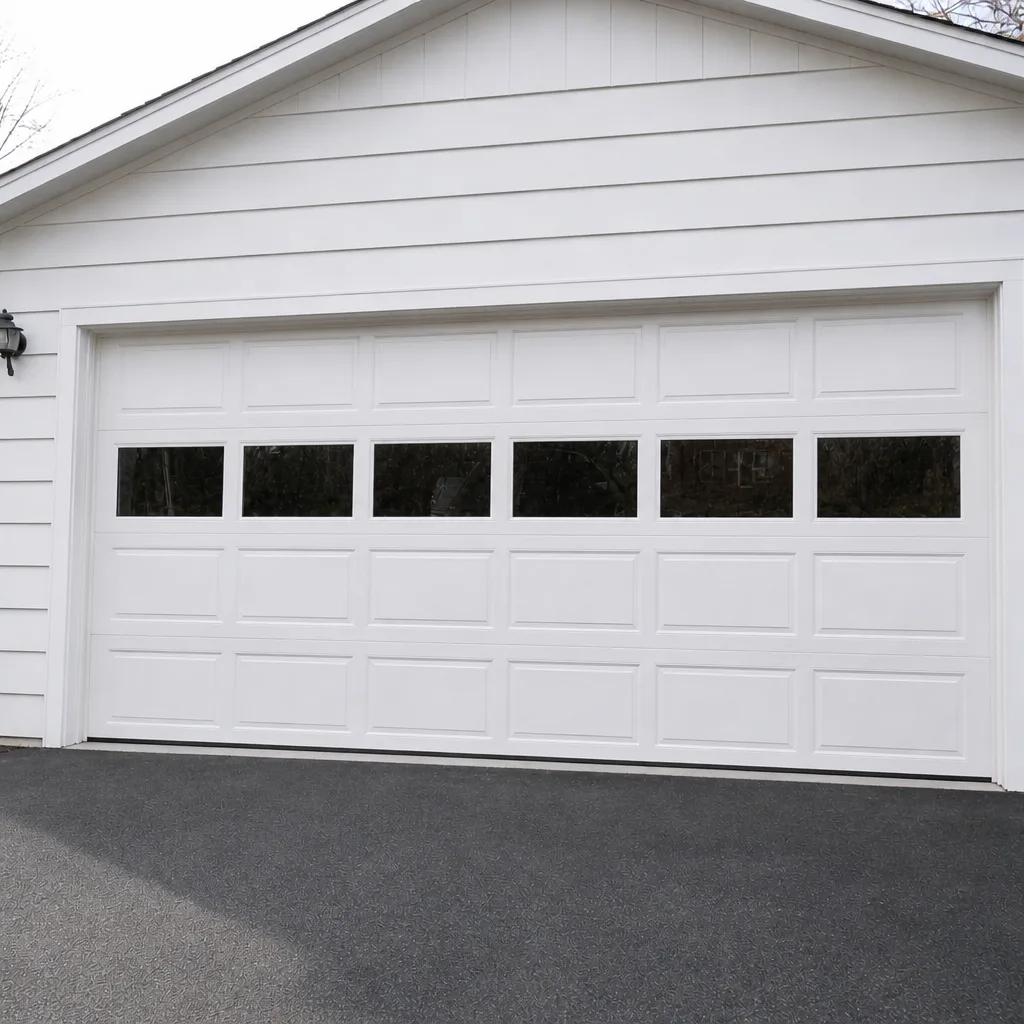 After
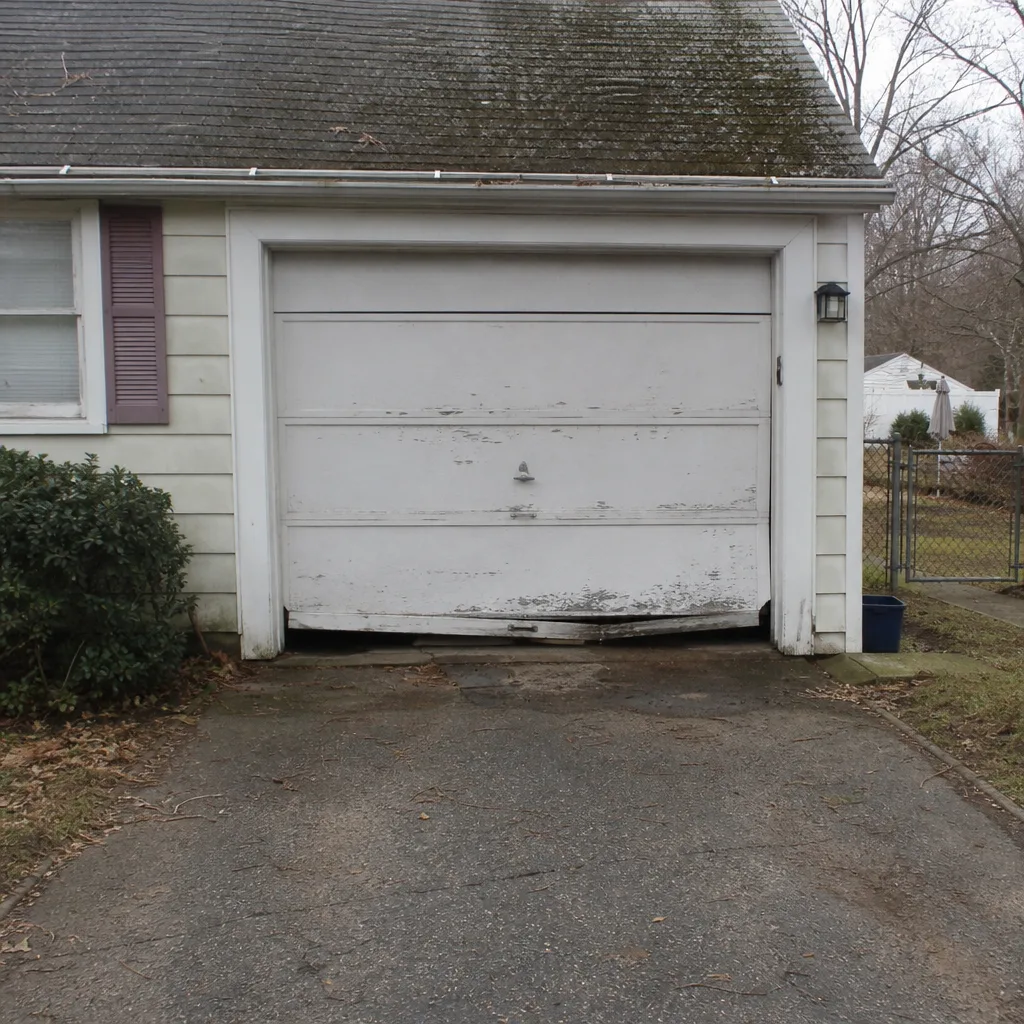 Before
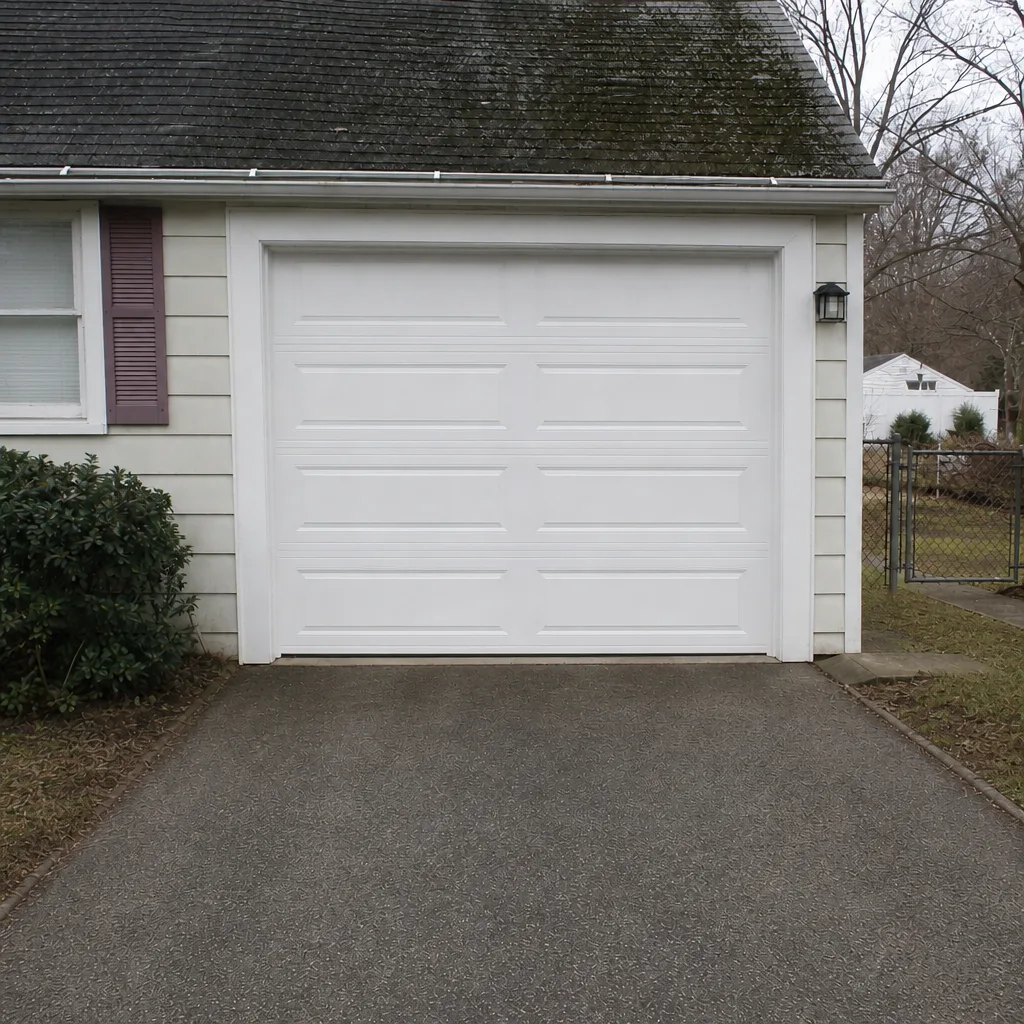 After
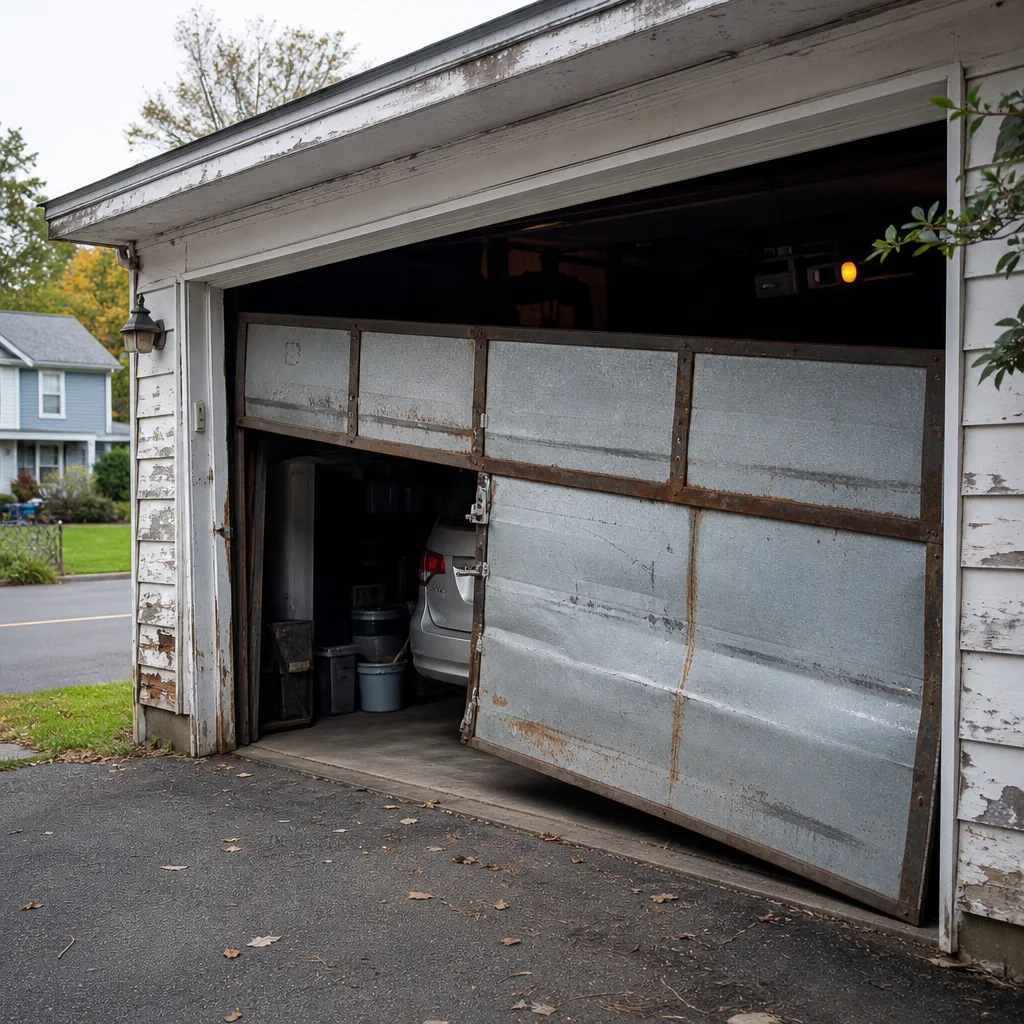 Before
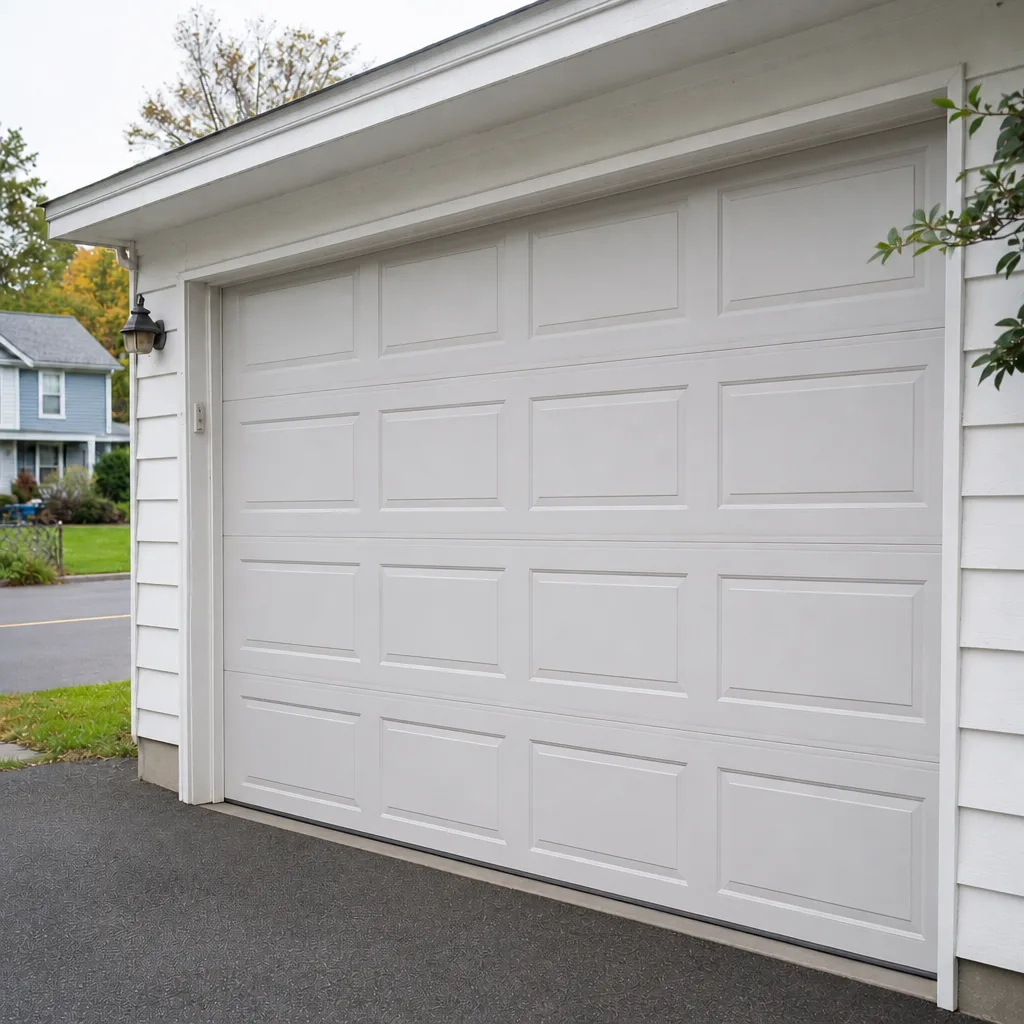 After
When to Call a Professional
Some situations deserve a trained hand. If you’ve found a spring or cable that’s rusted, frayed, or has a gap, stop and call – those are not homeowner repairs, and the consequences of getting them wrong are real. If the door is off its track, hanging, or jumping the rollers, or if it fails the safety-reverse test no matter how you adjust the sensors, it’s time for a professional diagnosis. If the opener motor is straining, the door feels heavy on one side, or a repair call keeps pointing to the same part, that’s a sign something more fundamental is out of balance. Bristol Garage Door Repair Co offers free estimates in Bristol – call (888) 794-8841. We answer 24/7. Fast dispatch from 7am to 7pm, Sunday through Friday.
Frequently Asked Questions
Every three to four months is a reasonable schedule for a Bristol door, and it should be tightened to every two to three months for a home near a heavily salted road or a door that gets direct sun. The manufacturer’s default is usually annual, which doesn’t account for road salt and humidity. Lubricate before the first freeze, not after, so the parts are ready for the cold.
No. Torsion and extension springs store an enormous amount of energy and can release it suddenly; a slipped tool can cause a serious injury. Leave spring work to a trained professional. If you find a spring that’s rusted, has a gap in the coil, or looks otherwise compromised during a visual check, stop and call us.
In our experience, the most common cause of emergency calls in winter is a door that hasn’t been lubricated, balanced, or maintained for two years, which strains every component until one fails. It rarely presents as a single dramatic breakdown – it’s a series of small issues compounding. Regular lubrication and seasonal balance checks prevent most of what we see.
Disconnect the opener with the manual release, lift the door to waist height by hand, and let go. A balanced door stays where you leave it. If it drops or rises on its own, the springs aren’t carrying the weight evenly, and the opener is compensating every time you use the door – which accelerates wear. Book a professional check if the balance test fails.
Before the first freeze, lubricate the rollers, hinges, and springs with a cold-rated product, run the balance test, test the safety reverse, and check the bottom seal for gaps. That one session in fall prevents most of what we see in winter. If you have a LiftMaster, Chamberlain, or Genie opener, test the force and travel settings too.
Yes. A simple log of dates, tasks, and what you noticed gives a technician a fast, specific history if something goes wrong. Note the door brand and model, the opener brand and model, and any parts you’ve replaced. When you call us, the log lets us ask better questions and book the right part the first time.
The Bottom Line
Garage door maintenance in Bristol isn’t about a long list of tasks. It’s about a short one done consistently. Lubricate the moving parts every few months, test the balance and safety reverse once a season, check the springs and cables from a distance and stop when something looks wrong, and log what you did. Those four habits prevent most of the breakdowns we see on repair calls, and they give a technician a head start if a problem appears anyway. Springs, cables, and any work involving the torsion assembly are for a trained professional, always. If a check turns up something you’re not sure about, call us at (888) 794-8841 – estimates are free. We answer 24/7. Fast dispatch from 7am to 7pm, Sunday through Friday. When your door won’t open or work correctly, Bristol Garage Door Repair Co is here to diagnose it and get it working again.
Written by the team at Bristol Garage Door Repair Co.