
Last updated November 21, 2026
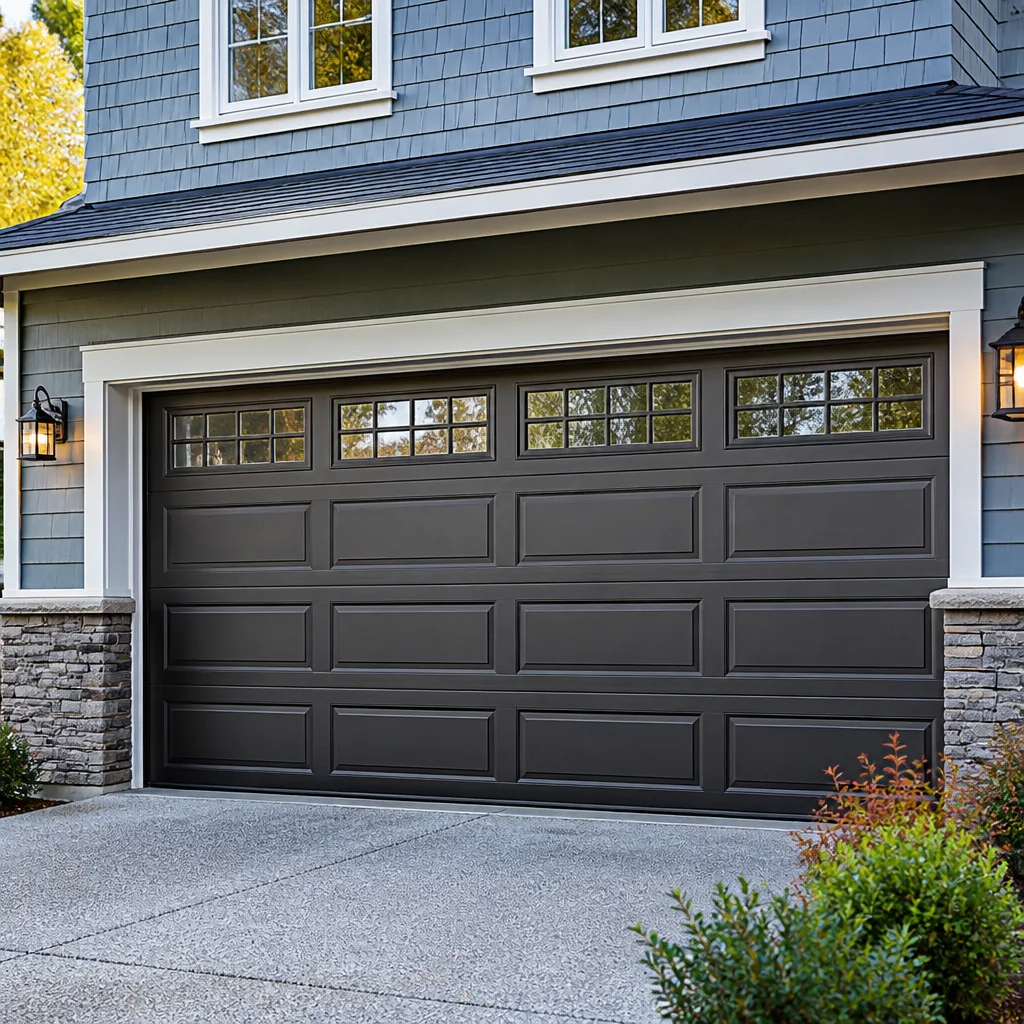 Raised-panel steel
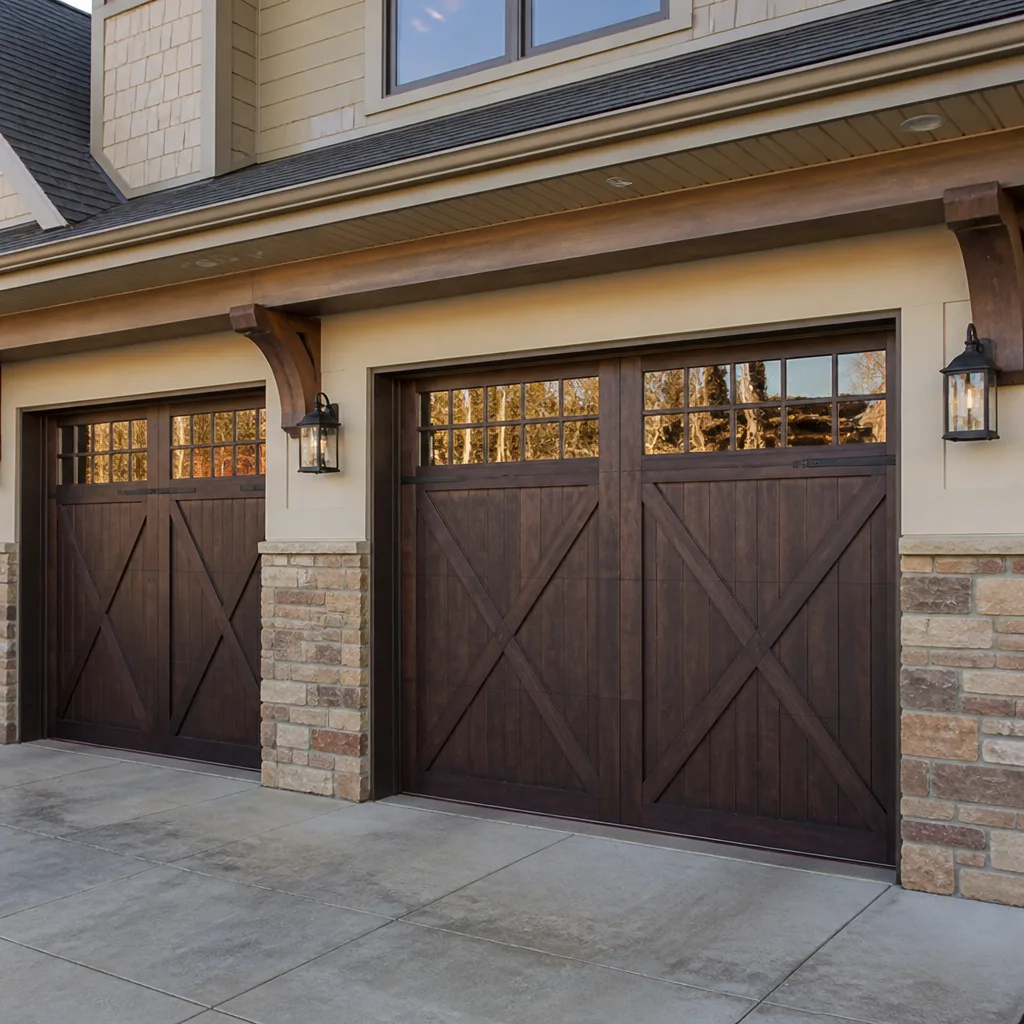 Carriage house
 Modern flush
 Full-view glass
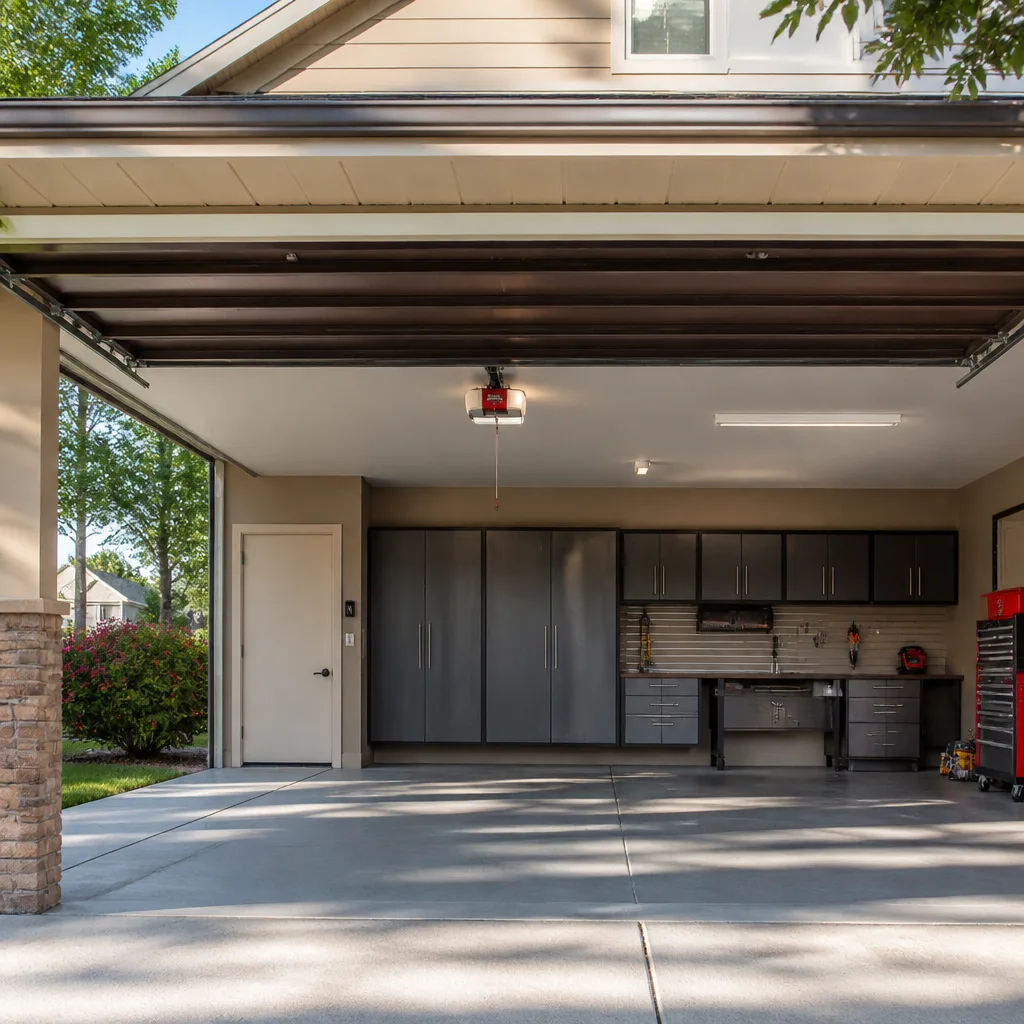 LiftMaster openers
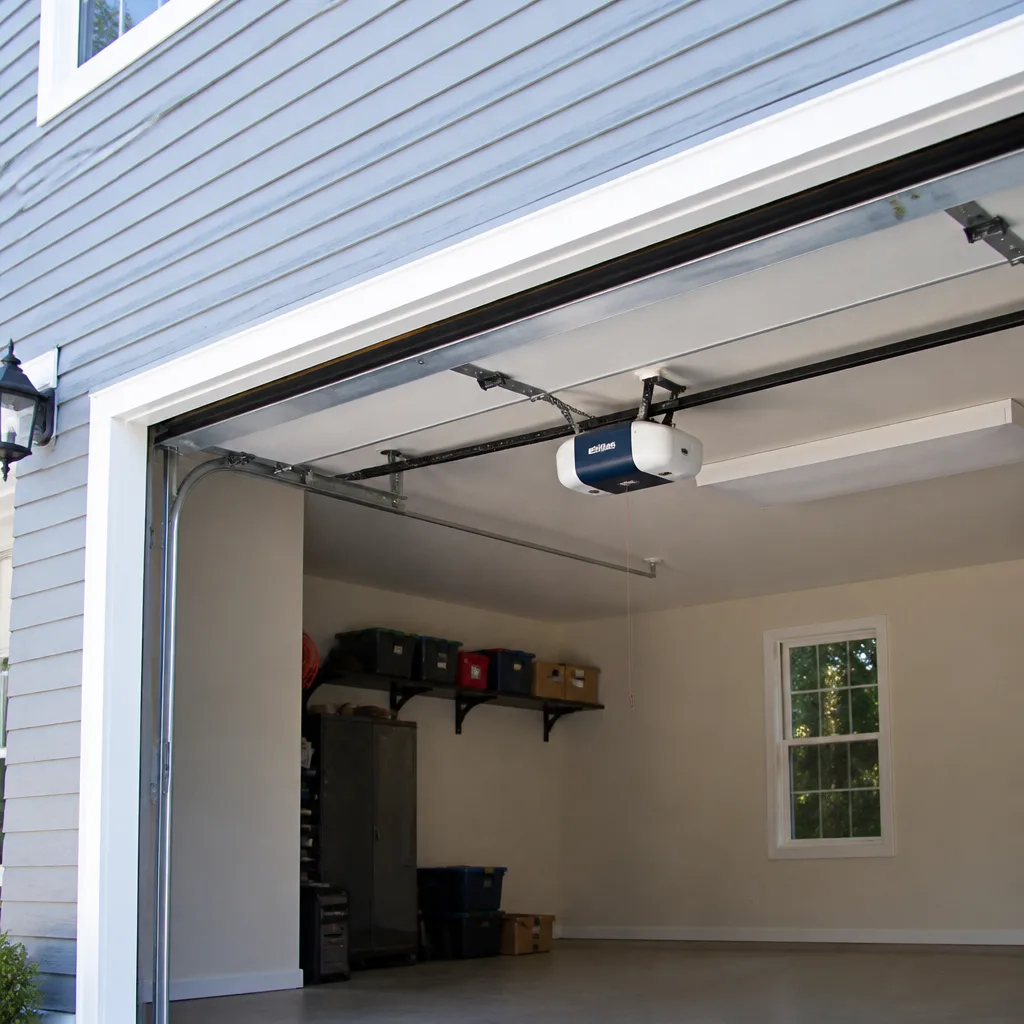 Chamberlain openers
Full 25-point door and opener safety check with every visit - springs, cables, rollers, tracks, and your LiftMaster or Chamberlain opener included
You get a price before we start. It does not change when the pro arrives.
Get your free estimateGarage Door Repair Maintenance Schedule: What to Do and When
A garage door isn’t one machine. It’s twelve to fifteen components wearing at different speeds, and the failure you notice first is rarely the part that started wearing first. Most homeowners treat maintenance as a single annual event, which means they’re always catching problems after they happen instead of before. Here’s the detail that reframes everything: torsion springs carry a rated cycle life, typically around 10,000 cycles, and an average Bristol household reaches that number in seven to nine years. That’s not a surprise failure. It’s a predictable date nobody put on the calendar. This guide maps every wearable component to its actual service interval, so you can plan instead of react. We’ll cover what you can safely handle, what needs a technician, which lubricants belong on which part, and why the job list looks different in Bristol than it does in a milder climate.
Quick Answer
A working garage door maintenance schedule runs on three rhythms: monthly (balance test, visual inspection, listen for new noises), twice a year (lubrication of rollers, hinges, and tracks, plus hardware tightening), and annually (weatherstripping, bottom seal, opener force and safety-reverse check, and a spring-and-cable inspection). Springs and cables are inspection-only for homeowners. If your door is more than seven years old and has never had its springs checked, that’s the first thing to schedule.
Styles & brands we work with
- Raised-panel steel
- Carriage house
- Modern flush
- Full-view glass
- LiftMaster openers
- Chamberlain openers
Table of Contents
- Why a Garage Door Needs a Schedule, Not a Checklist
- The Monthly Layer: Five Minutes, Four Checks
- The Twice-a-Year Layer: Lubrication Done Right
- The Annual Layer: Seals, Safety, and Spring Inspection
- What You Can Service Yourself vs. What Requires a Technician
- The Cycle-Count Framework: Where Are Your Springs in Their Life?
- The Bristol Maintenance Window: Late October Before the Hard Freeze
- A Month-by-Month Calendar for Bristol Homeowners
Why a Garage Door Needs a Schedule, Not a Checklist
Most garage door maintenance advice arrives as a flat checklist: lubricate this, tighten that, check the other thing. The problem is that a checklist has no timing built in. It tells you what to do but never when, so it gets done once, whenever someone remembers, and then the door goes back to being invisible until something breaks.
The components inside your door don’t wear on the same clock. Rollers and hinges degrade slowly and announce themselves with squeaks. Weatherstripping fails on a seasonal rhythm tied to temperature swings. Springs fail on a cycle count that has nothing to do with the calendar and everything to do with how often your household comes and goes. Cables wear from friction and can fail without warning if tension drifts. The opener’s drive gear and logic board age in yet another pattern.
Treat maintenance as a single annual event and you’re always working from behind. A spring at 90% of its rated cycles looks and behaves exactly like a spring at 30%, right up until it isn’t. A bottom seal with a small tear in September becomes a frozen, stuck seal in January and a water problem in March.
What follows is a layered schedule. Each layer runs on its own interval, and each one builds on the last. Run all three and you shift from fixing failures to anticipating them. That’s the whole point. For homeowners in Bristol, where the seasonal swing is real and the winter is hard on seals and hardware, the payoff is a door that opens on the coldest morning of the year without complaint.
If you’d rather hand the whole schedule to someone who works on doors every day, that’s a legitimate choice too. Our Bristol Garage Door Repair Co team builds maintenance around your door’s actual age and cycle count, not a generic checklist.
The Monthly Layer: Five Minutes, Four Checks
The monthly layer is short by design. Four checks, five minutes, no tools beyond your hands and eyes. This isn’t maintenance so much as early detection. Most expensive garage door repairs start as something small that went unnoticed for months.
- Run the balance test. Disconnect the opener (pull the release cord), lift the door manually to about halfway, and let go. A balanced door holds its position. A door that sinks is carrying too much load, usually a sign of spring fatigue or a track problem.
- Listen. Open and close the door once and actually pay attention to the noise. Grinding, squealing, popping, or a rhythmic thump are all signals. A well-maintained door is quiet. If you can hear it from inside the kitchen, something is telling you it needs attention.
- Look at the tracks. Stand back and sight down each vertical track. They should be straight and square, with no dents or bends. Look for debris, loose bolts at the brackets, and any spot where the rollers look like they’ve jumped.
- Check the safety reverse. Put a 2×4 flat on the ground under the door and close it. The door should reverse on contact. If it doesn’t, stop using the opener until it’s fixed. This is a safety function, not a convenience one.
Write down the date of each monthly check somewhere you’ll see it, even a note on your phone. The value of the monthly layer isn’t the individual inspection. It’s the pattern. When something changes, you notice it against a baseline instead of against nothing.
One note for Bristol homeowners: monthly checks matter more in the coldest months, when stiff grease and contracted seals put extra load on the whole system. A door that felt fine in October can bind in January without a single part actually failing. Catching that bind early is cheap. Catching it after the opener burns out is not.
The Twice-a-Year Layer: Lubrication Done Right
Lubrication is the most misunderstood maintenance task on a garage door, and the misunderstanding is almost always the same one. People reach for WD-40, spray everything that looks metal, and assume the job is done. It isn’t. WD-40 is a solvent with a light oil in it, not a lubricant designed to hold up under the load a garage door puts on its moving parts. It thins out, attracts dust, and leaves rollers and hinges running dry within weeks. On springs, it’s actively the wrong choice.
The right lubricant depends on the part. Here’s the mapping we use on every door:
- Rollers: a lithium-based grease or a purpose-made garage door roller lubricant. If the rollers are nylon or plastic (common on newer doors), a silicone spray is fine and won’t degrade them. Metal rollers need the heavier grease.
- Hinges: lithium grease or a light machine oil, applied to the pivot points, not the leaf. Wipe off the excess so it doesn’t collect grit.
- Springs: a garage door spring lubricant, not WD-40 and not a standard multi-purpose oil. The correct product is designed to stay on the spring under tension and to keep the coils from rubbing dry. Apply a light coat and let the door cycle a few times to distribute it.
- Track: none. Tracks don’t get lubricated. They get cleaned and wiped down with a dry cloth. Grease on a track is a magnet for dust and a slow path to sticking rollers.
- Opener rail and drive: follow the opener manufacturer’s specification. LiftMaster, Chamberlain, Genie, and Craftsman units each call for specific products on their drive systems, and using the wrong one can void coverage.
Twice a year is the right interval for lubrication in Bristol because the seasonal swing here is real. You want a fresh coat going into winter and a fresh coat coming out of it, when grit and moisture have had their shot at the moving parts.
When you lubricate, look while you’re in there. A roller that’s worn flat on one side, a hinge with a wallowed-out hole, a spring with visible separation between coils, a cable with a frayed strand: those are the things you’re looking for during a lubrication pass. Lubrication is the task, inspection is the reason. If your opener itself is acting up rather than the door, that’s a separate job and a different set of parts. Our garage door opener repair service covers the LiftMaster, Chamberlain, Genie, and Craftsman units we see in most Bristol garages.
The Annual Layer: Seals, Safety, and Spring Inspection
The annual layer is where the schedule gets serious. This is the pass that catches the things a homeowner can’t see from the monthly and biannual checks, and it’s the one that most reliably prevents a mid-winter emergency.
Work through it in this order:
- Inspect the weatherstripping and bottom seal. Run your hand along the bottom seal and look for tears, hardening, or sections that no longer contact the floor. Then check the perimeter weatherstripping around the frame. Cracked or stiff seals are the single most common source of water intrusion into a Bristol garage.
- Test the opener’s force and safety reverse again, formally. The monthly check is a quick pass. The annual check is the one where you adjust the force settings if they’ve drifted and confirm the safety reverse works with a test object.
- Inspect the springs and cables. Look at the springs for gaps, rust, or a visible stretch. Look at the cables for fraying, and for both cables carrying even tension. Don’t touch the springs or try to adjust them. This is a visual inspection only.
- Check the hinges and the door panels. Hinges wear at the pivot and should be replaced when they develop play. Panels should be free of cracks at the stile, and the door should sit square in the opening.
- Test the balance one more time, and note the result. If the balance test has been drifting over the year, the annual check is when you see the trend.
This is also the layer where an experienced technician adds real value. Spring condition isn’t always visible from the outside. A technician can measure the cable tension and check the drum alignment in ways a homeowner can’t safely attempt. The same is true of the opener’s internal components, which wear in ways that don’t show up in an external inspection. If the door is more than seven years old and has never had a professional look at the springs and cables, the annual layer is where that conversation belongs.
If the inspection turns up a spring problem, that’s a named specialty for us rather than a reluctant add-on. Our garage door spring repair work covers the safest and most technically demanding part of the trade, which is exactly the part you don’t want handled by whoever happens to be available.
What You Can Service Yourself vs. What Requires a Technician
The line here is simple and it isn’t about your competence. It’s about what happens when a loaded component lets go. Some garage door parts carry zero meaningful risk. Others carry enough stored energy to injure or kill an untrained person, and those parts are off-limits for DIY regardless of how handy you are.
Here’s the split we use:
Safe for a homeowner:
- Lubricating rollers, hinges, and springs with the correct products
- Cleaning the tracks with a dry cloth
- Visual inspection of springs, cables, and panels
- Running the monthly balance test (with the opener disconnected, as described)
- Tightening visible bracket bolts (finger-tight plus a quarter turn, no more)
- Replacing a worn bottom seal or weatherstripping, if you’re comfortable with the door’s edges
Requires a trained technician:
- Adjusting or replacing torsion springs, extension springs, or cables
- Adjusting cable drum alignment
- Replacing any hinge or roller that requires relieving load on the door
- Adjusting the counterbalance system in any way
- Repairing a door that’s off-track, or any work involving the door’s weight
- Servicing the opener’s internals or replacing the opener
The reason springs and cables sit firmly on the technician side isn’t caution for its own sake. A torsion spring under tension stores enough energy to break a hand or worse in a fraction of a second, and the failure can happen during the repair, not just during the original break. Cable drums carry the same stored load. Our technicians have up to 15 years of experience with this exact risk, and every one of them treats the springs and cables as the part of the door that dictates how the whole job is approached.
For everything else, take the schedule seriously and do it. If you’re at the edge of your comfort on a specific task, call it in. There’s no upside to guessing at a component under load. Our garage door repair service handles the parts that carry the weight.
The Cycle-Count Framework: Where Are Your Springs in Their Life?
Springs don’t wear out by the calendar. They wear out by cycle count, and cycle count depends on how often your household uses the door. A torsion spring on a typical residential door carries a rated cycle life in the neighborhood of 10,000 cycles. For most households, that works out to a service window you can actually estimate once you know your own daily habit.
Here’s the framework:
- Count one cycle as one open plus one close. Two cycles is two open-close pairs. A single trip in and out of the garage is often two cycles, not one.
- Estimate your daily cycles. A household where both adults leave for work in the morning and return in the evening, plus a few trips for errands, is typically in the four-to-eight cycles per day range. Families with kids in and out of the garage run higher.
- Convert to years. At four to eight cycles per day, you’re looking at roughly 1,460 to 2,920 cycles per year. Against a 10,000-cycle rating, that’s seven to nine years of typical use, which is exactly the window Bristol households tend to hit.
- Add a safety margin. Springs don’t fail neatly at their rated count. They can fail early, they can fail late, and a spring that’s been chronically under-lubricated or running against a bent track will fail earlier than its count would predict.
What this framework buys you is a plan. A door that hasn’t had a spring inspection since it was installed seven years ago and has been running four to eight cycles a day is a door whose springs should be looked at now, not at the next failure. A door running two or three cycles a day has more runway. The point isn’t the number. It’s knowing how much of the rated life you’ve already used, and adjusting your expectation accordingly.
Because the number matters, the rated cycle life of your specific springs matters too. High-cycle springs are available and are worth asking about on doors that run heavy. This is also where a garage door specialist has an advantage over a generalist: familiarity with the exact part on your exact door is what lets the estimate be accurate rather than conservative in one direction or the other.
We work on the door and opener systems from eight major brands, including Genie, Clopay, Amarr, and Wayne Dalton, plus LiftMaster, Chamberlain, Craftsman, and Raynor. That breadth isn’t a list we recite. It means we’re not guessing at the parts inside your door when the estimate gets written.
The Bristol Maintenance Window: Late October Before the Hard Freeze
Bristol has a maintenance window that most garage door advice ignores, and it matters more than anything else on this page. Late October, before the first hard freeze, is when the weatherstripping and bottom seal should be checked and replaced. After the freeze sets in, a stiff or torn seal can’t be worked with comfortably, and a small tear becomes a cold draft and eventually a water problem that gets discovered in the spring.
The reason is physics, not folklore. A rubber or vinyl bottom seal is soft and pliable in October. In January, it’s a different material: contracted, harder, less forgiving. A seal that has a small tear in fall will separate completely over a Connecticut winter, and the door will sit unevenly on the floor as a result. That uneven seating puts extra load on one side of the door and on the springs, which is exactly the kind of secondary failure the schedule is supposed to prevent.
The late-October pass should include:
- Replacing the bottom seal if it’s torn, hardened, or no longer making full contact with the floor
- Checking the perimeter weatherstripping and replacing any section that’s cracked or missing
- Lubricating hinges and rollers with a fresh coat that will hold through the cold months
- Checking that the door closes evenly and the safety reverse works with the new seal
- Getting any visible spring or cable issue looked at before the cold makes everything stiffer
If you do one thing on this whole schedule, do this one. A garage door seal is a low-cost part and a low-cost task, and the downstream cost of skipping it is one of the more predictable things in home maintenance. We schedule this pass for Bristol homeowners in the weeks before the freeze because it’s the single highest-value appointment on the calendar.
The mirror-image pass comes in spring, when the door comes out of the cold months and everything that was stiffened by the weather deserves a reset. Treat October as the critical pass and April as the catch-up one.
A Month-by-Month Calendar for Bristol Homeowners
If you’d rather have the schedule laid out as a calendar, here’s the version we walk Bristol homeowners through. It assumes a door in working order and adjusts if the door is older or running heavy.
- Every month: balance test, listen test, track inspection, safety reverse check. Five minutes.
- Late April / early May: full lubrication pass (rollers, hinges, springs, opener rail per manufacturer spec), wipe down tracks, tighten visible brackets, visual inspection of springs and cables.
- Late October: the critical pre-freeze pass. Replace the bottom seal if needed, check perimeter weatherstripping, fresh lubrication, confirm the door closes evenly.
- Once a year (any month): formal opener force and safety-reverse test, full spring and cable inspection, panel and hinge inspection, a professional look at the door’s counterbalance if it’s been seven or more years since the last check.
- At the rated-life mark: if your door is approaching or past the 10,000-cycle window described above, get the springs and cables professionally inspected regardless of whether the door is behaving.
- Any time the door sounds different: treat a new noise, a new hesitation, or a new wobble as a signal, not as normal. It’s cheaper to look early.
The calendar is a template, not a rule. Doors in Bristol that run heavy, or that are more than a decade old, get more frequent passes in the annual layer. And if the opener isn’t a LiftMaster, Chamberlain, Genie, or Craftsman unit we see commonly, the drive and rail lubrication protocol should follow whatever that opener manufacturer specifies. The door is the same door; the opener determines part of the schedule.
Common Mistakes to Avoid
- Using WD-40 as a garage door lubricant. It’s a solvent, not a load-bearing lubricant, and it leaves rollers and hinges running dry within weeks. On springs, it’s the wrong product entirely. Use lithium grease or a purpose-made garage door lubricant on the moving parts, and a proper spring lubricant on the springs.
- Lubricating the tracks. Tracks get cleaned, not greased. A greased track collects dust, grit, and grit-driven wear, and it makes sticking rollers more likely, not less.
- Skipping the late-October seal check. In Bristol, this is the pass that matters most. Skipping it in October means finding the problem in February, when it’s a frozen seal, a draft, or a door that no longer closes evenly.
- Adjusting springs yourself. This is the mistake with the highest consequence on the list. Springs under tension store enough energy to cause serious injury in a fraction of a second, and the failure can happen during the work. Leave the springs and cables to a trained technician, and don’t loosen a bracket to “see what happens.”
- Ignoring a noise because the door still opens. A door that opens through a grinding or popping noise is a door with a problem that will eventually become a door that doesn’t open at all. The repair is cheap early and expensive late.
- Treating maintenance as annual instead of layered. A single annual checklist is better than nothing but misses the seasonal component of seal and weatherstripping wear. The monthly and seasonal layers are what let you catch the small problems before they compound.
- Skipping the spring inspection on a door that “feels fine.” A spring at the end of its life looks exactly like a spring with years left. The inspection is the only way to know where you are in the cycle count without waiting for the failure to answer the question.
See the difference
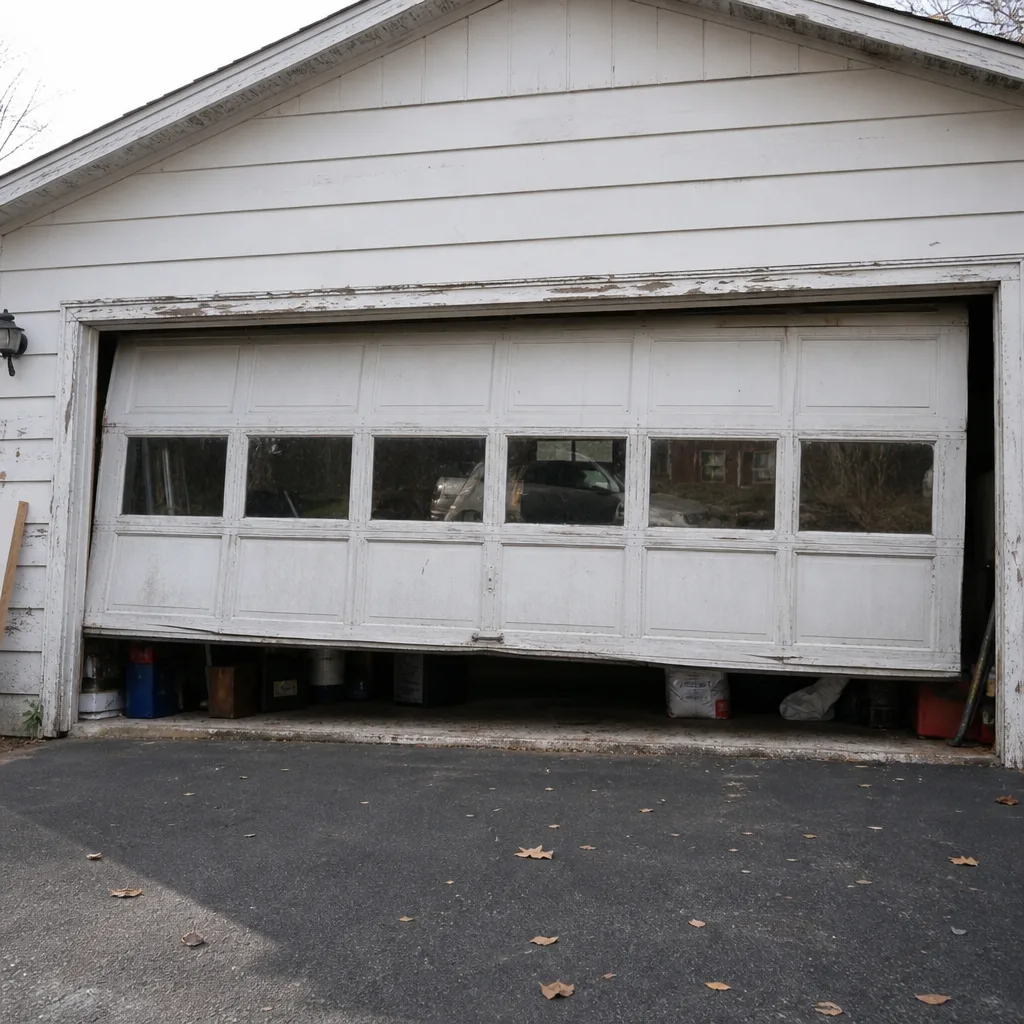 Before
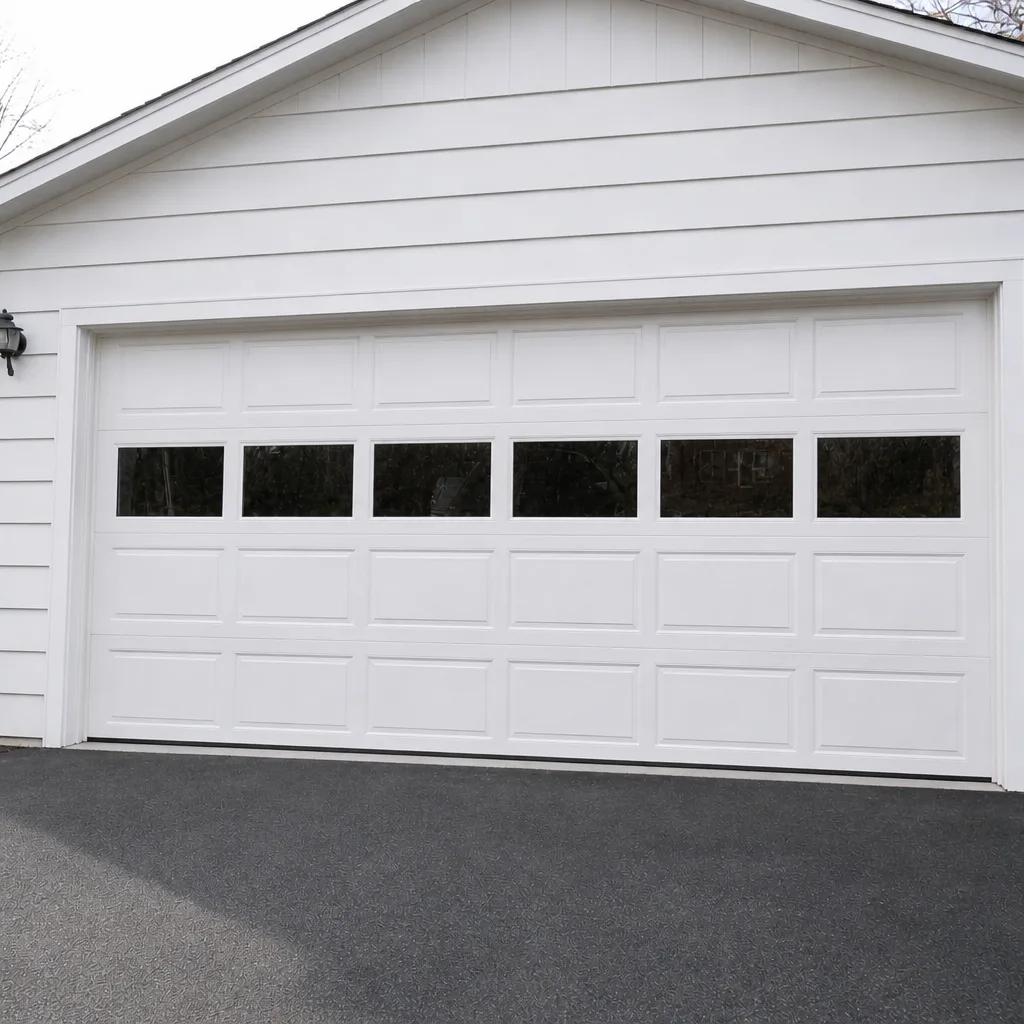 After
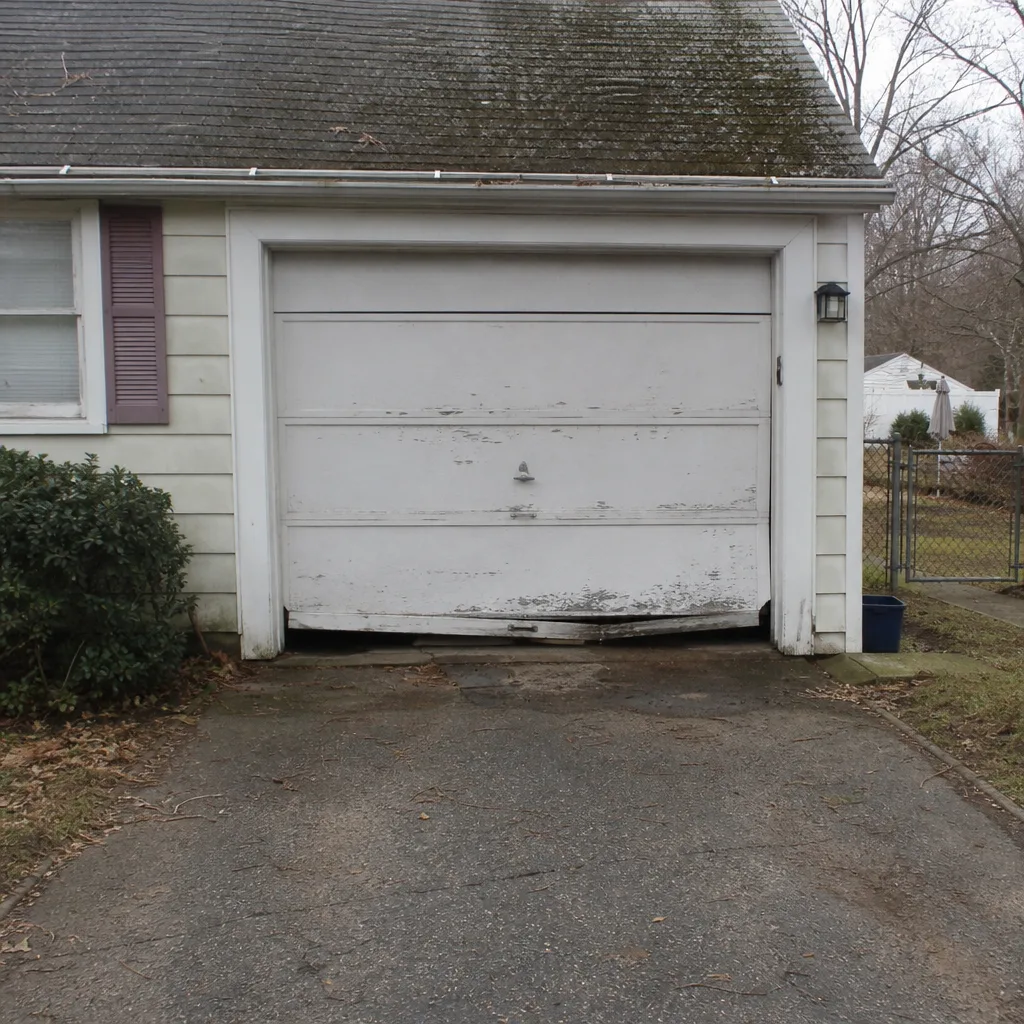 Before
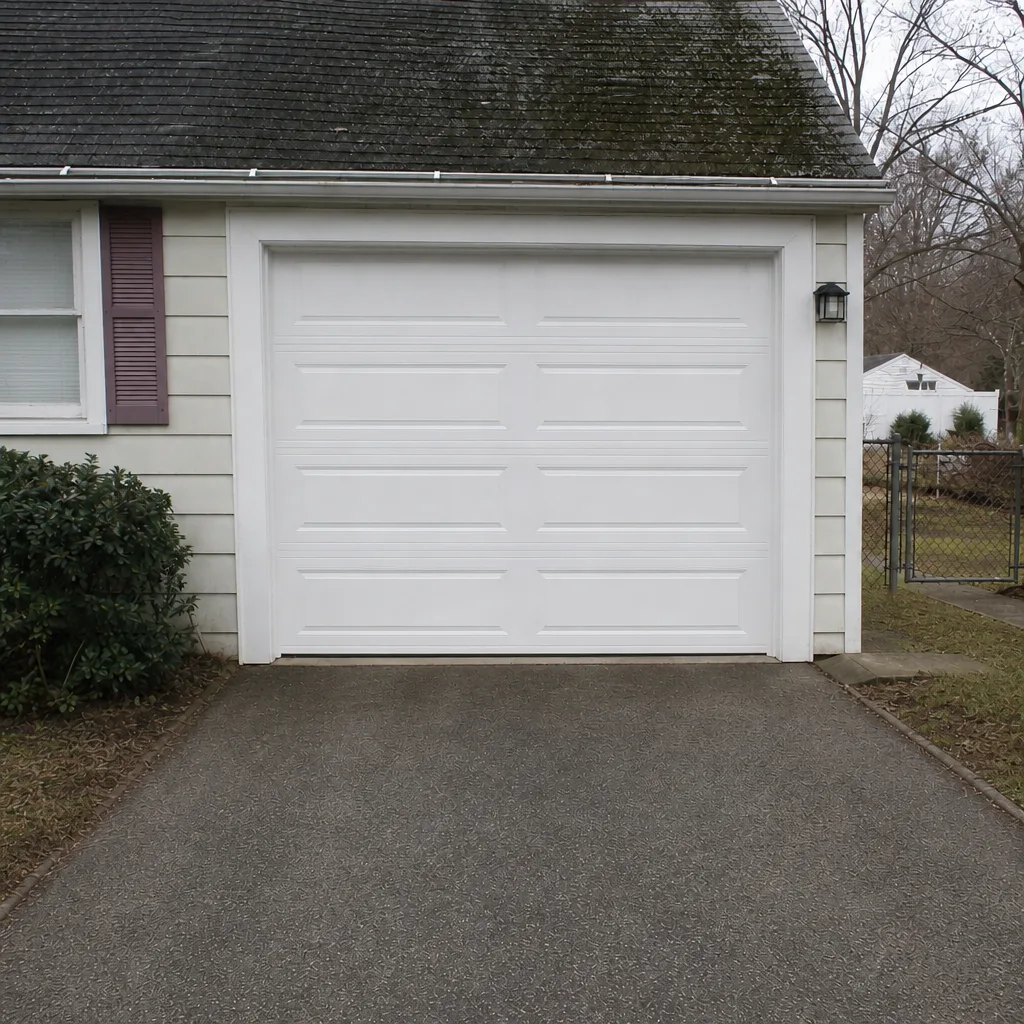 After
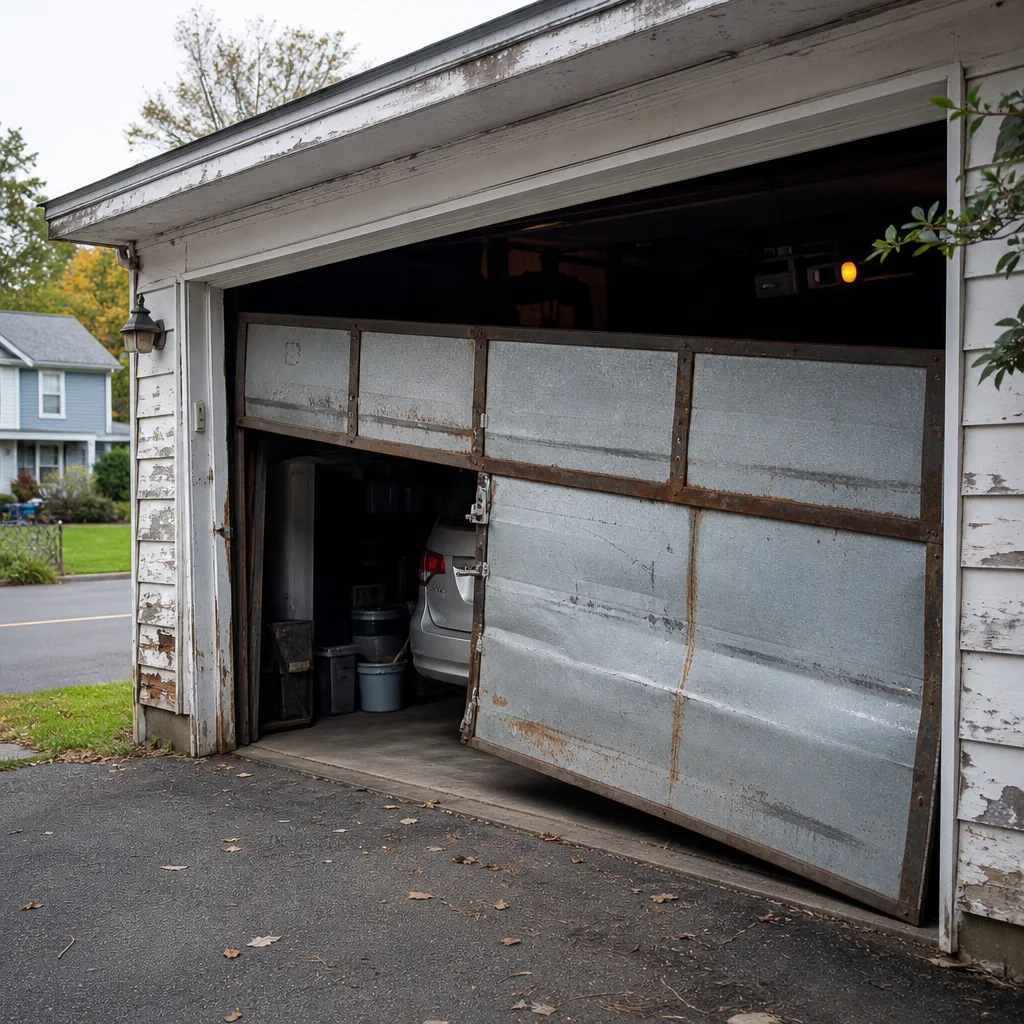 Before
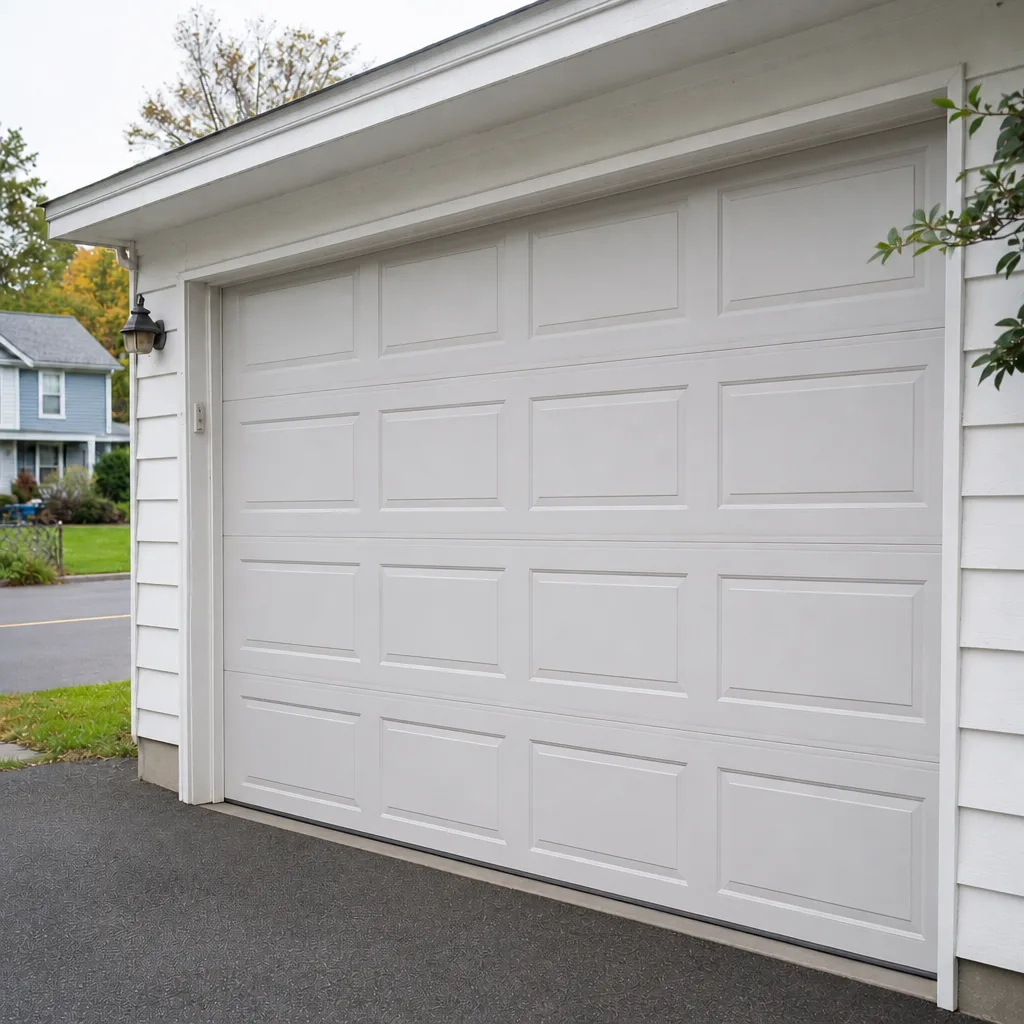 After
When to Call a Professional
Call a professional for anything involving springs, cables, cable drums, or the door’s counterbalance. Call for a door that’s off its track, a door that won’t close evenly, a door with a safety reverse that doesn’t work, or a door carrying a noise it didn’t have a month ago. Call if the door is seven or more years old and has never had a spring inspection. Call if you’re at the edge of your comfort on any task above, because the DIY line on a garage door isn’t about competence. Call when the door is stuck and you need it working again. And call if you’re not sure: a free estimate costs nothing and it resolves the question.
Bristol Garage Door Repair Co offers free estimates in Bristol. Call (888) 794-8841. We answer 24/7. Fast dispatch from 7am to 7pm, Sunday through Friday. The price is set per job by the written estimate, and it’s agreed before any work starts.
Frequently Asked Questions
Twice a year for lubrication and inspection, once a year for a formal seal, safety, and spring check, and monthly for a quick balance and noise check. The interval that matters most in Bristol is the late-October pass, before the hard freeze, when the bottom seal and weatherstripping should be checked and replaced. Door age and daily cycles shorten the interval, not lengthen it. If your door is seven or more years old and running several cycles a day, budget for more frequent professional inspections. Call (888) 794-8841 for an exact quote on a maintenance inspection, and estimates are free.
Yes, if you’re using the correct product and a light coat. Springs should get a purpose-made garage door spring lubricant, not WD-40 and not a standard multi-purpose oil. Apply a light coating and cycle the door a few times to distribute it. What you should not do is adjust, tighten, or otherwise work on the springs themselves. They’re under load, and the failure mode can happen during the work. Call a technician for anything beyond lubrication and visual inspection.
Lithium grease for metal rollers and hinges, and a silicone spray for nylon or plastic rollers. Hinges get a light coat at the pivot points, not the leaf. Tracks don’t get lubricated at all; they get cleaned with a dry cloth. Opener rails follow the opener manufacturer’s spec. Call (888) 794-8841 if you’re not sure what your opener calls for; getting the product right the first time is cheaper than correcting it.
Use cycle count first: a typical residential torsion spring is rated around 10,000 cycles, and a household running four to eight cycles a day reaches that in seven to nine years. Use visual inspection second: gaps, rust, or a visible stretch in the coil. If the door is at or past the cycle-count window, get it inspected even if it’s working. Call (888) 794-8841 and we’ll inspect it as part of a free estimate.
The bottom seal and perimeter weatherstripping, checked and replaced in late October before the freeze. A rubber seal that’s soft in October gets hard and contracted in January, and a small tear becomes full separation and uneven door seating over the winter. Fresh lubrication before the cold is the second priority. The spring inspection is the third, and it’s the one you don’t want to skip if the door is older. Call (888) 794-8841 to schedule the pre-freeze pass; estimates are free.
The local pro who performs your work is licensed and insured as their state requires. We connect Bristol homeowners with independent local professionals who work on garage doors as their trade, and every job is set up with a written estimate before any work begins. Our technicians have up to 15 years of experience, and we work on the door and opener systems from LiftMaster, Chamberlain, Genie, Clopay, Amarr, Wayne Dalton, Craftsman, and Raynor. Call (888) 794-8841 for an exact quote; estimates are free.
No. The written estimate is the price, and it’s quoted and agreed before any work starts. If the inspection turns up something the estimate couldn’t account for, that’s a conversation before the work, not an invoice after it. Call (888) 794-8841 for an exact quote. We answer 24/7. Fast dispatch from 7am to 7pm, Sunday through Friday.
The Bottom Line
The maintenance schedule that works is layered, not annual. Run the monthly checks, do the twice-a-year lubrication with the right products, and treat the late-October pass in Bristol as the one appointment you don’t skip. Know your cycle count, because springs fail on a number, not a calendar date, and the rated life of a typical spring means most Bristol doors hit their window in seven to nine years. Leave the springs and cables to a technician. Everything else, do it on time. Thirty minutes a month and two seasonal passes will keep a well-built door running far longer than a door that only gets attention when something breaks. That’s the whole framework.
When the door needs more than you want to handle, we’re here. Call (888) 794-8841. We answer 24/7. Fast dispatch from 7am to 7pm, Sunday through Friday. Closed Saturday. The local pro is licensed and insured as their state requires, and the price is set per job by the written estimate before any work starts.
Written by the team at Bristol Garage Door Repair Co.