
Last updated November 21, 2026
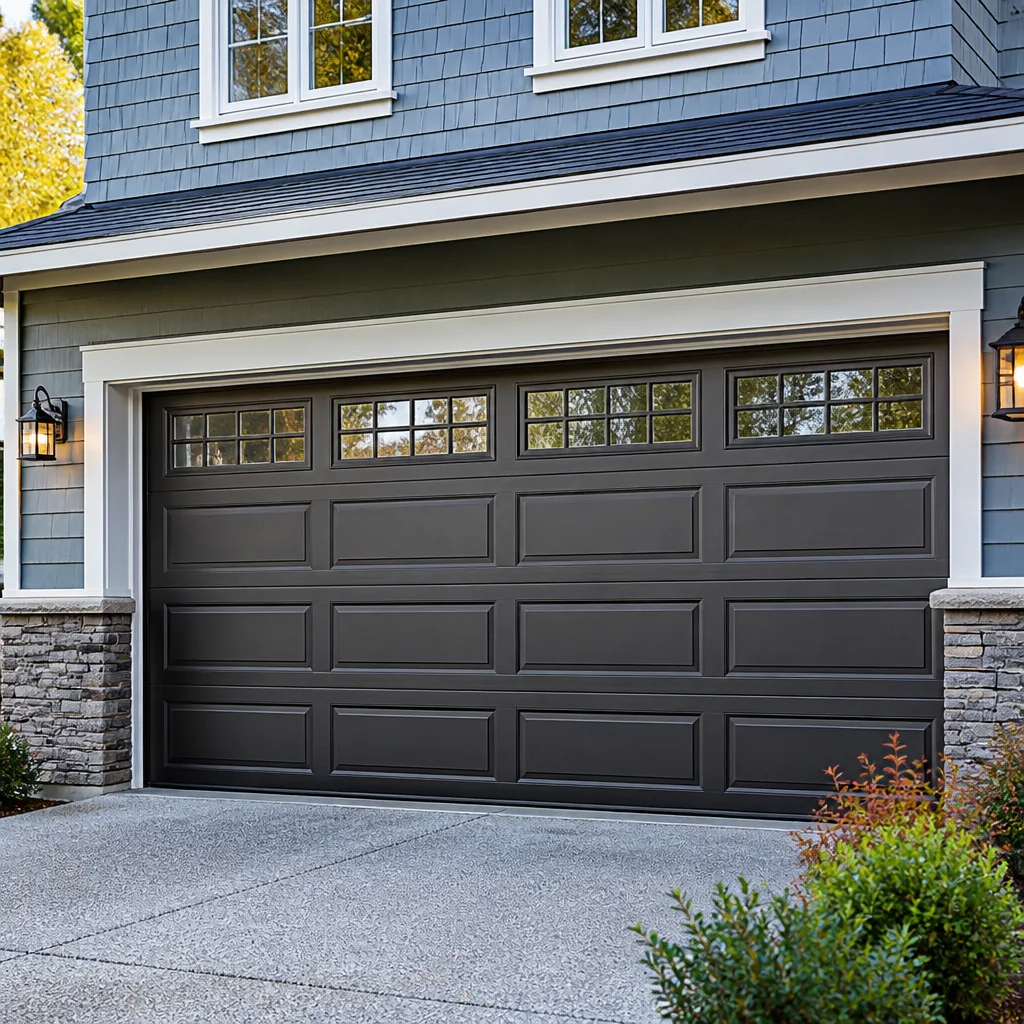 Raised-panel steel
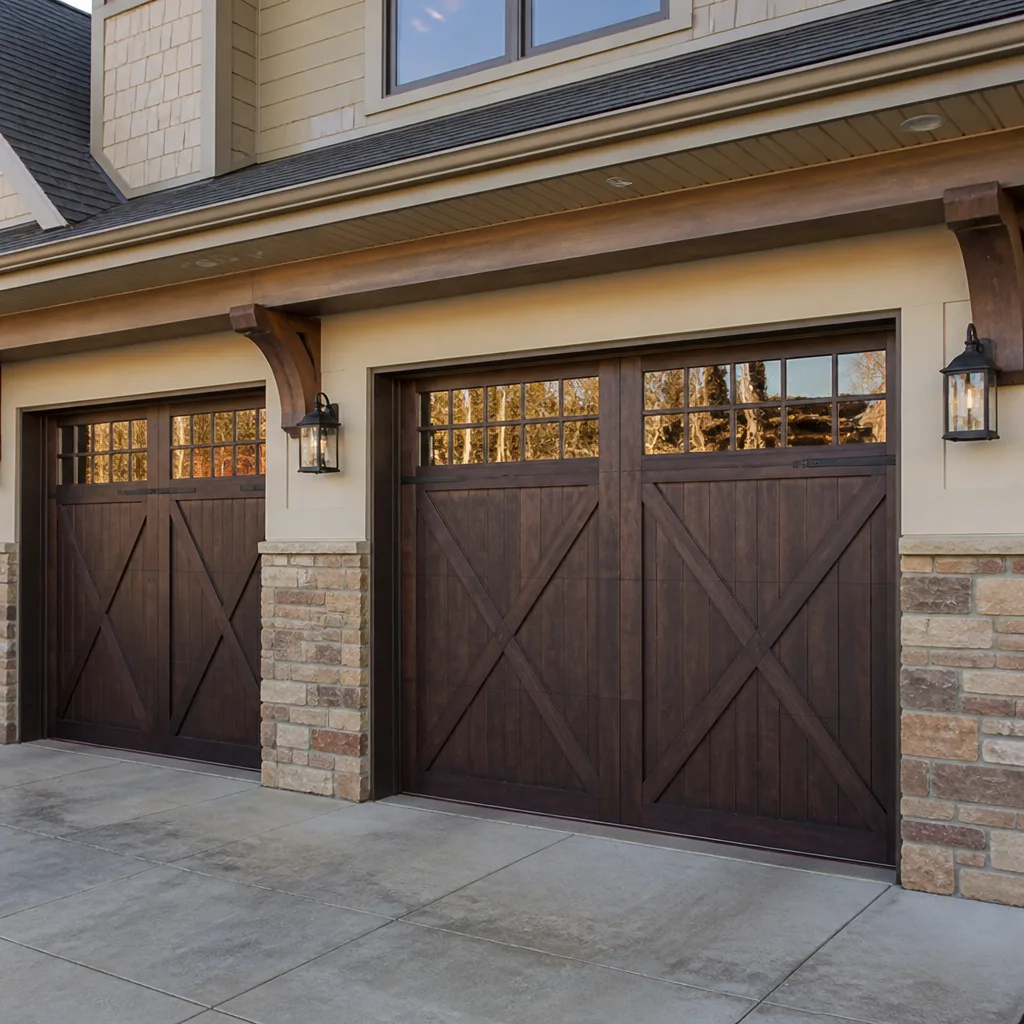 Carriage house
 Modern flush
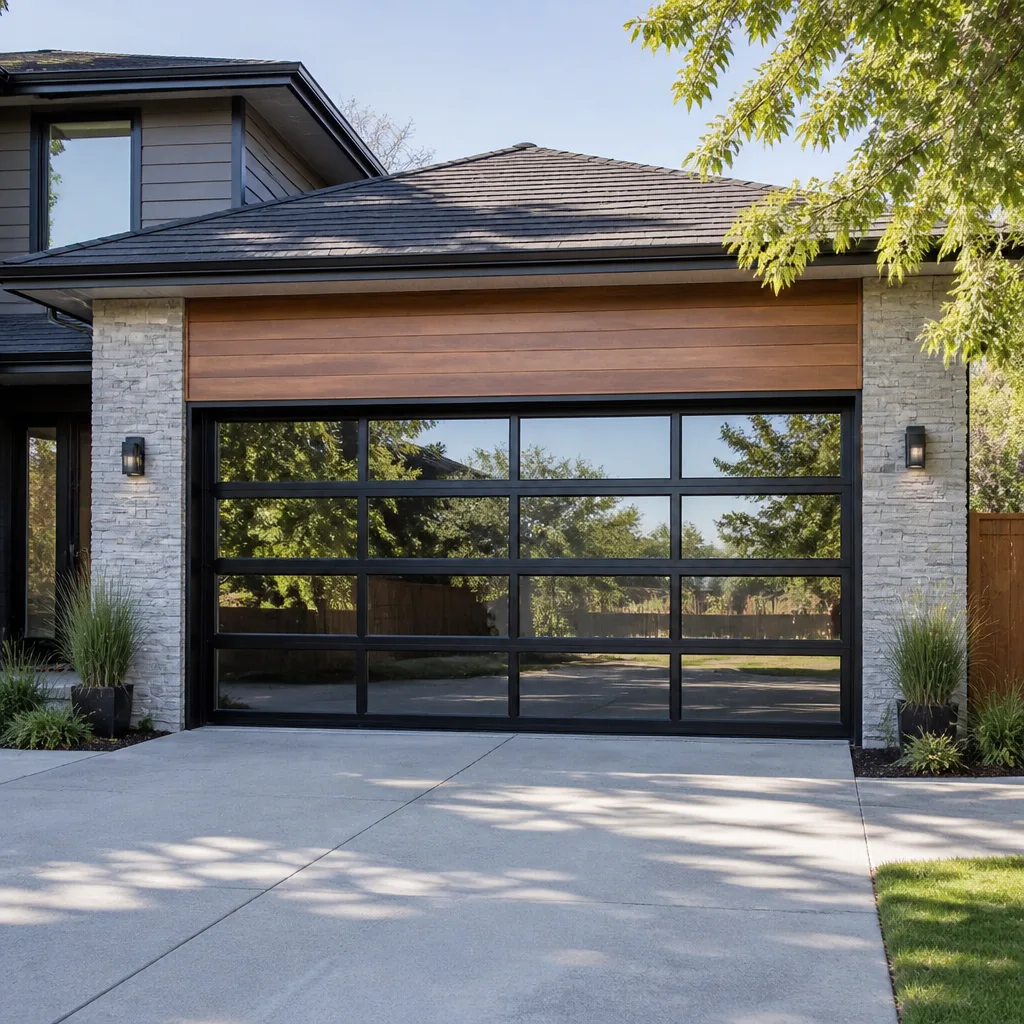 Full-view glass
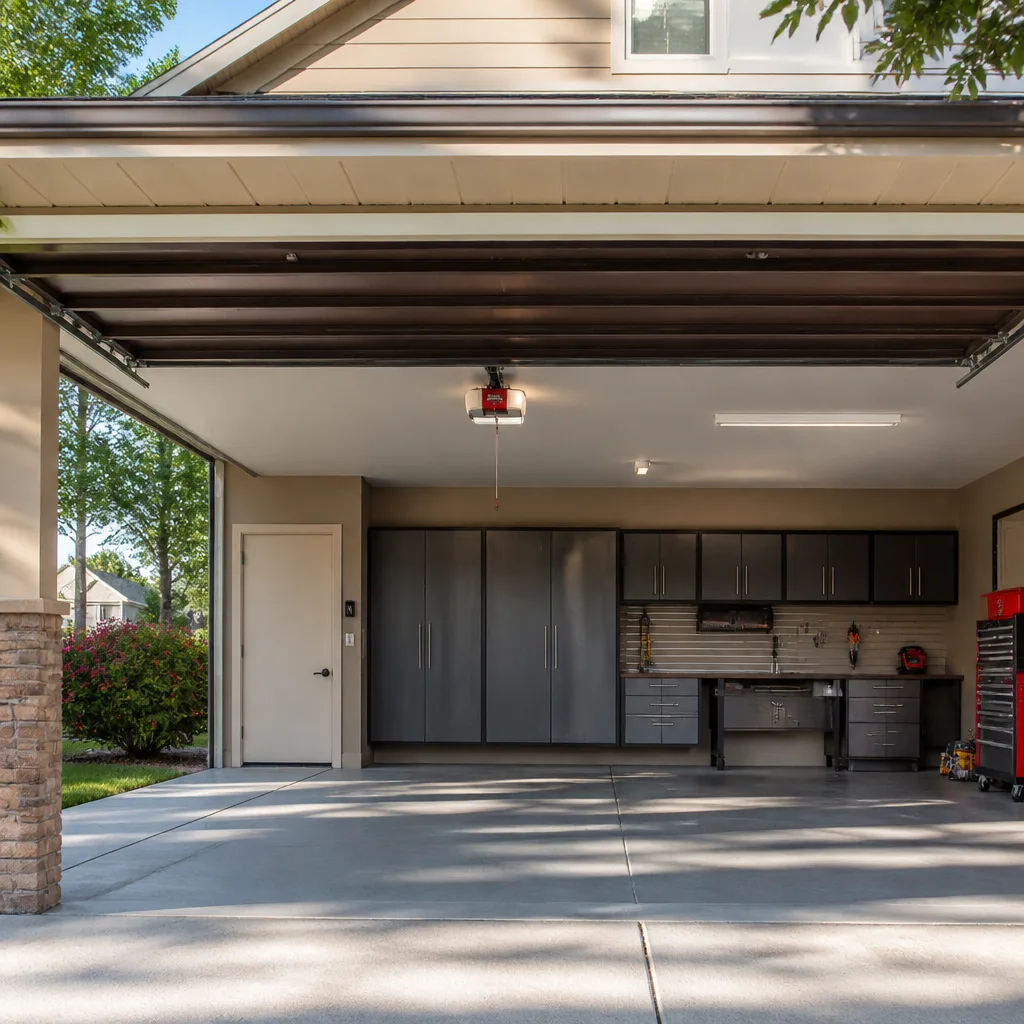 LiftMaster openers
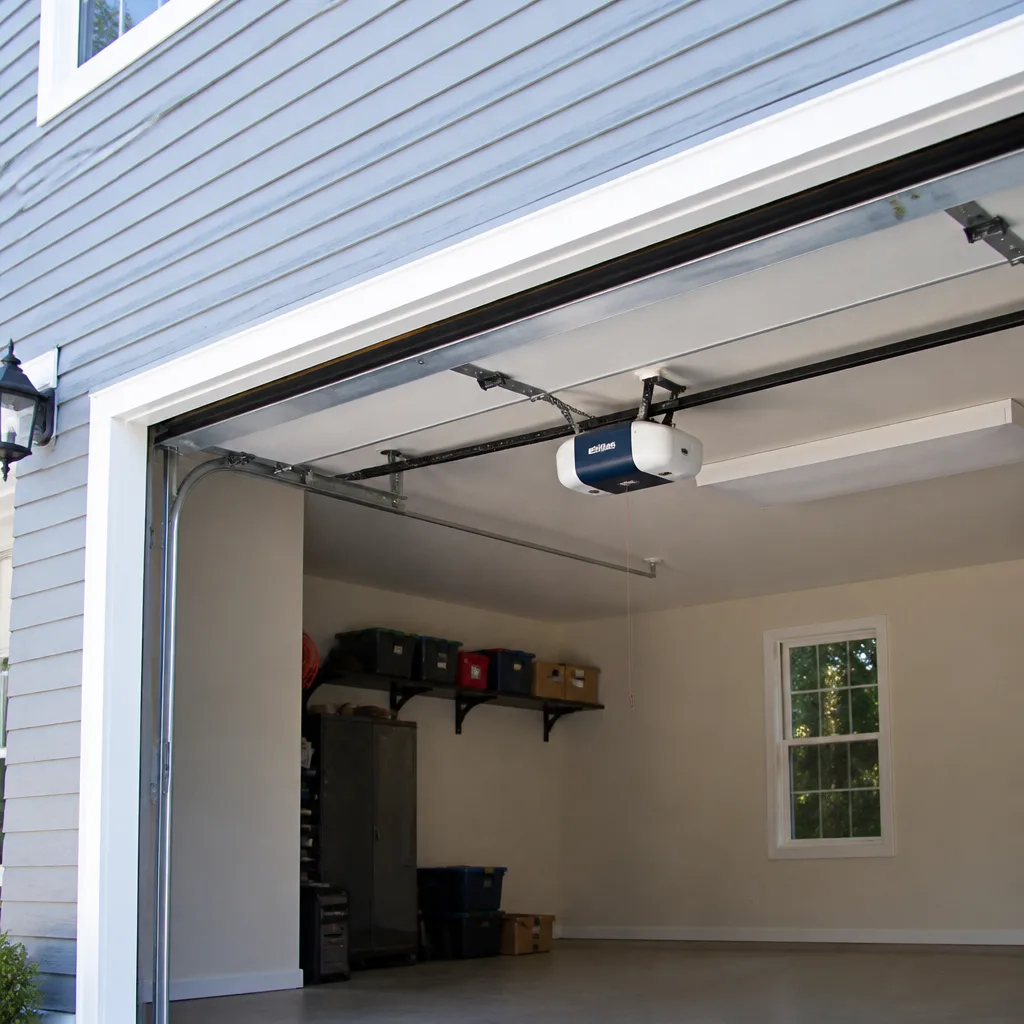 Chamberlain openers
Full 25-point door and opener safety check with every visit - springs, cables, rollers, tracks, and your LiftMaster or Chamberlain opener included
You get a price before we start. It does not change when the pro arrives.
Get your free estimateGarage Door Permits, Codes & Inspections in Bristol, CT: What You Need to Know
Here’s the part most Bristol homeowners don’t hear until it’s too late: a garage door replacement done without a permit can delay or block a home sale, and the seller usually eats the cost of making it right, not the buyer. Connecticut’s building code has specific requirements for garage doors that go beyond what most people expect, and Bristol’s local enforcement adds another layer on top. Skipping the permit doesn’t save you time. It creates liability that surfaces at the worst possible moment. This guide walks through which projects need a permit in Bristol, what the code actually requires, how the city processes applications, and how a qualified contractor handles the paperwork so you don’t have to.
Quick Answer
In Bristol, CT, replacing a garage door or making structural changes to the opening typically requires a building permit, while routine repairs and like-for-like opener swaps usually don’t. The Connecticut State Building Code sets requirements for wind load and energy performance on residential installations, and Bristol’s building department reviews and inspects permitted work before it’s considered complete. Doing the work without a permit can hold up a home sale or complicate an insurance claim later.
Styles & brands we work with
- Raised-panel steel
- Carriage house
- Modern flush
- Full-view glass
- LiftMaster openers
- Chamberlain openers
Table of Contents
- Which garage door projects in Bristol need a permit?
- What does the CT State Building Code require for garage doors?
- How does Bristol’s permit process work, step by step?
- What happens during a garage door inspection?
- What’s the liability exposure of unpermitted work?
- How a qualified contractor handles permits vs. leaving it to you
- Common mistakes to avoid
- Frequently asked questions
Which garage door projects in Bristol need a permit?
A full garage door replacement almost always needs a permit in Bristol. So does anything that changes the opening itself: widening it, raising the header, altering the framing, or swapping a manual door for an opener on a door that wasn’t set up for one. Routine repairs, on the other hand, usually don’t. Replacing a broken torsion spring, fixing a snapped cable, or swapping a failed opener motor for a same-size unit typically falls outside permit territory because the structure of the door and the opening stay the same.
The threshold criteria come down to three questions:
- Does the work change the structure of the opening? Framing, header, or rough-opening size changes require a permit.
- Does the work change the door’s performance characteristics? New wind-load requirements, a different door weight class, or a significant R-value change usually triggers a permit.
- Does the work involve new electrical? Running a circuit for a new opener where none existed typically needs an electrical permit alongside the building permit.
Like-for-like replacement of a door or opener with the same spec product is the gray zone. Some homeowners in Bristol get away with it; some don’t. The safer move is to check with the city’s building department before you commit to a number with a contractor. Enforcement is not uniformly applied across every neighborhood, but “nobody flagged it” is not the same as “it was legal.” When you’re weighing repair against replacement, our guide to garage door repair covers the decision from a structural standpoint – and if the answer is “replace,” the permit question is already on the table.
What does the CT State Building Code require for garage doors?
Connecticut adopts the Residential Code of New York State framework, and the 2018 RCNYS basis lays out two requirements that matter for garage doors in residential construction: wind load and thermal performance. Wind load is about how much lateral pressure the door and its mounting need to withstand without failing. R-value is about insulation, and it matters more in Connecticut than in warmer climates because a garage attached to the house pulls heat out of the living space through the door. Modern Clopay and Amarr doors, for example, are typically rated for the loads a Bristol installation needs, but only if the door is specified correctly for the opening.
What this means in practical terms:
- Wind load: The door, tracks, and anchors need to be rated for the pressures the code assigns to the site. That pressure depends on exposure and the height of the door, not just the width.
- R-value: Insulated doors meet higher thermal targets than uninsulated ones. If you’re replacing an older uninsulated door, the code minimum for the assembly may be higher than what’s coming out.
- Safety devices: Automatic openers need a working photo-eye and, for doors installed after the applicable code date, a functioning entrapment protection system. This is non-negotiable and gets checked at inspection.
- Labeling: Doors built to the applicable standard carry a permanent label. Inspectors look for it.
The code doesn’t care what brand you bought. It cares that the door on the opening is rated for what the opening does under load. If a contractor tells you “the new one is the same size, it’s fine,” ask whether the wind-load rating matches. That’s the question the inspector will ask too. In our experience, the wind-load conversation is the one homeowners most often miss until the inspection comes back with a correction notice.
How does Bristol’s permit process work, step by step?
Bristol’s building department processes garage door permits the way most Connecticut towns do: an application gets reviewed, a fee is paid, the work proceeds after approval, and an inspection follows completion. The specific forms and fee schedule live with the city, and you should confirm current amounts with the department directly rather than relying on a number from a website. But the sequence is predictable.
- Application submission. The homeowner or their contractor files the permit application with Bristol’s building department, including a description of the work, the scope, and often a product specification sheet for the door being installed.
- Plan review. The department reviews for code compliance, wind load, and any electrical scope. This is where missing information slows things down – incomplete applications are the single most common source of delay.
- Permit issuance. Once approved and the fee is paid, the permit is issued and the work can begin.
- Installation. The contractor installs the door, opener, or structural modification to spec.
- Inspection. An inspector visits to confirm the work matches the approved scope, the door is properly anchored, the opener safety devices function, and the labeled product is what was specified.
- Close-out. The permit is closed and the record stays on file with the city. That record is what future buyers and insurance carriers will pull when they need it.
Timelines vary. A straightforward door replacement with a clean application typically moves faster than a structural change, and a correction notice adds a cycle. If you’re selling a home and reading this, that’s the reason to start the process now rather than at the walkthrough.
What happens during a garage door inspection?
A Bristol garage door inspection is a compliance check, not a quality inspection. The inspector is confirming the installed work matches the approved permit and meets code. They are not evaluating whether your door is quiet, smooth, or pretty. The items on the checklist almost always include:
- Door and hardware anchored to the approved method, with proper fastening at the tracks and the header.
- Wind-load rating printed on the product label matches what the permit application specified.
- Opener entrapment protection working: the photo-eye must reverse the door when blocked, and the contact reversal must function.
- Manual release functioning and accessible.
- Any electrical work covered by the permit inspected to standard.
- Clearances to the opening head, jambs, and floor within tolerance.
If something’s off, the inspector issues a correction notice and the contractor has to fix it before close-out. Spring and cable work is the most common point of failure on the safety side, which is a good reason not to touch that area yourself – torsion springs under load can cause serious injury, and we recommend a trained professional handle anything involving the springs, cables, or drums. The garage door spring repair service is where inspection-adjacent issues most often live in Bristol homes.
What’s the liability exposure of unpermitted work?
Unpermitted garage door work in Bristol can surface at two specific moments: a home sale and an insurance claim. Both are bad times to find out. During a sale, a buyer’s inspector who catches a garage door replacement without a permit record will flag it, and the buyer’s lender may require it be permitted and inspected retroactively before the deal closes. That process is slower and more expensive than doing it right the first time, and it usually falls to whoever owns the house at that moment. If you bought a house with unpermitted work already in it, the previous owner is generally the responsible party for making it right – but you’re the one holding up your closing.
On the insurance side, the picture is less dramatic but real. A carrier handling a claim that touches the garage is going to look at whether the door and opener were installed to code. Unpermitted work doesn’t automatically void a policy, but it can create questions about coverage and can complicate the claims process. Code-compliant, permitted work keeps the record clean.
The bigger point: a permit is a paper trail. It says a licensed reviewer looked at the plan, an inspector confirmed the finished job, and the town has a record that outlasts any verbal promise from a contractor. Bristol homeowners who skip it are, in effect, betting that nobody will ask. Someone usually does.
How a qualified contractor handles permits vs. leaving it to you
There are two ways a garage door project in Bristol gets permitted: the contractor pulls it, or the homeowner does. The first is easier and the second is a project in itself. A contractor who routinely does permitted work in Bristol knows the forms, knows what the building department wants to see on a wind-load spec, and knows that an incomplete application means a correction cycle. They also know which brands and models are already familiar to local reviewers – Clopay and Amarr doors show up often enough that a clean spec sheet is rarely an issue.
What to ask a contractor before you hire:
- “Will you pull the permit?” The answer should be yes for structural or replacement work.
- “Who handles the inspection scheduling?” It should be the contractor, not you.
- “What happens if there’s a correction notice?” The contractor should own the fix and the re-inspection.
- “Can I see a copy of the closed permit?” You should have it for your records.
- “Is the installer licensed and insured as the state requires?” In Connecticut, Home Improvement Contractor registration applies to residential work; confirm the contractor is registered.
At Bristol Garage Door Repair Co, we connect homeowners with independent local professionals who pull their own permits and carry the licensing and insurance their state requires. We handle the garage door opener repair side of things as a matter of routine – Chamberlain, Genie, and LiftMaster units covering the vast majority of homes in Bristol – and when a project crosses into permit territory, we route it to a pro who does that work regularly. Our technicians have up to 15 years of experience with these systems.
Common Mistakes to Avoid
- Assuming repairs need a permit. Replacing a spring or a cable in Bristol is a repair, not a construction project. Save the permit call for actual structural or replacement work.
- Assuming replacements don’t. The opposite error. A full door or opener replacement is where permits usually apply, and skipping it is the bigger risk.
- Letting the contractor talk you out of it. If a contractor says “we don’t bother with permits on these,” that’s a signal about how they handle the rest of the job too.
- Forgetting the electrical permit on a new opener. If the opener needs a new circuit, the building permit alone isn’t enough.
- Ignoring the wind-load rating on the spec sheet. A new door with the wrong rating for the opening is a code failure even if it looks identical to the old one.
- Installing without checking the R-value change. Going from uninsulated to insulated is an upgrade, not a code issue; going the other way can be.
- Losing the closed permit record. Keep it. It’s the document a future buyer or insurance adjuster will ask for.
- Touching the spring assembly yourself. This isn’t a paper-pushing mistake. Torsion springs and cables are under extreme tension and can cause serious injury. That work belongs to a trained professional.
See the difference
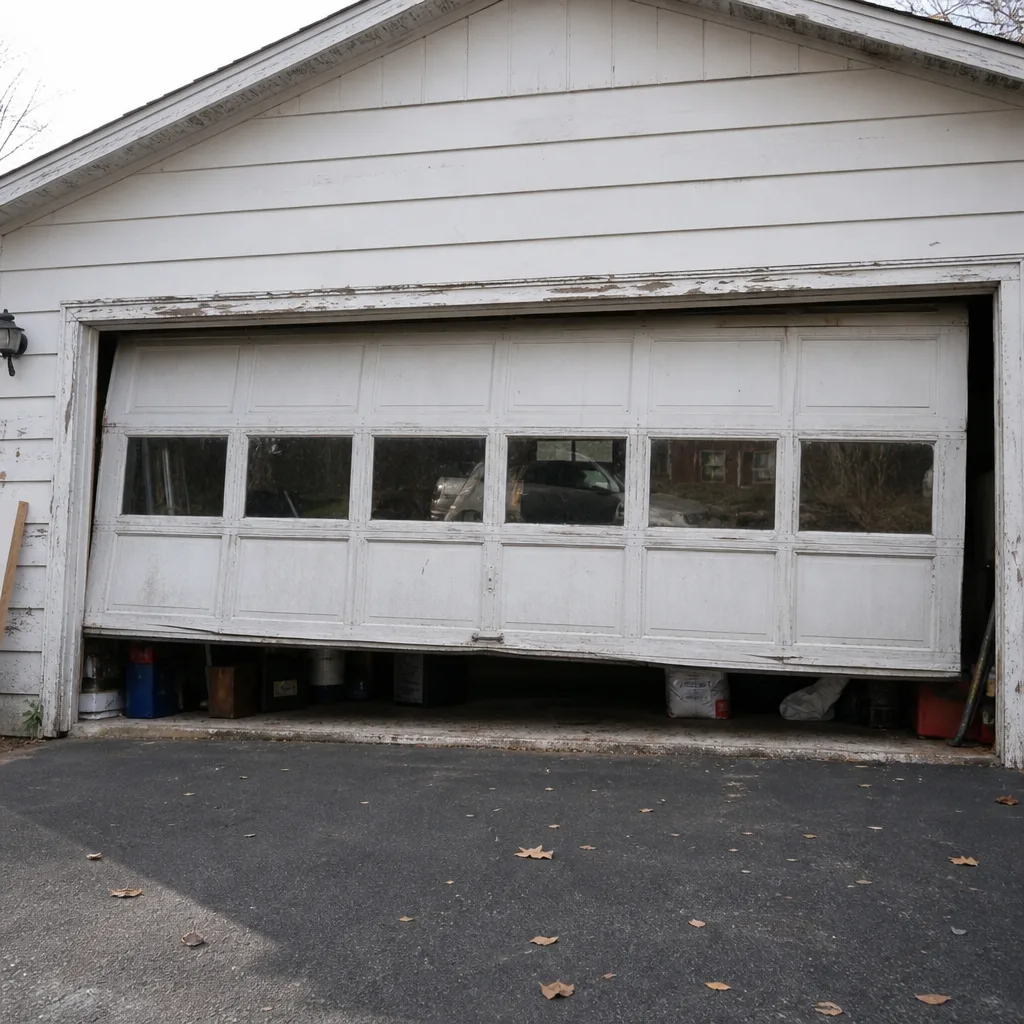 Before
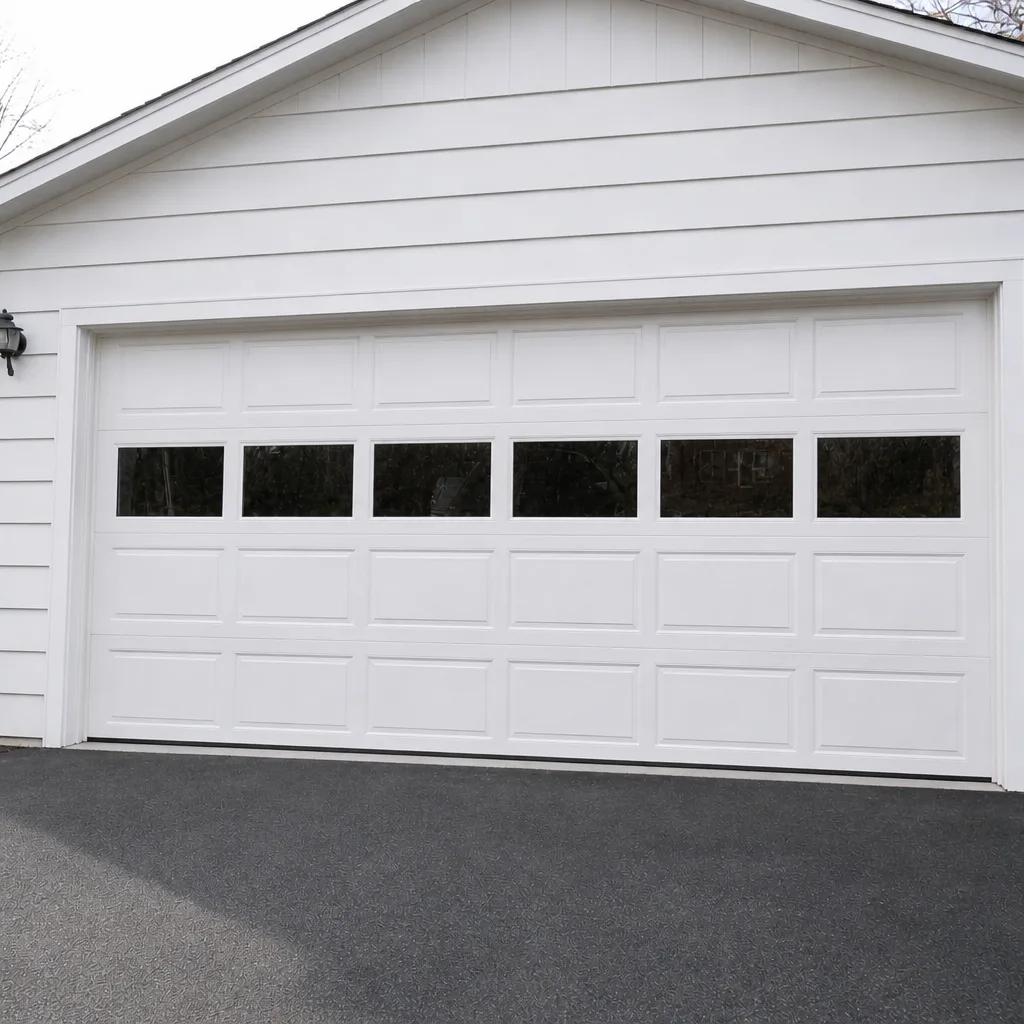 After
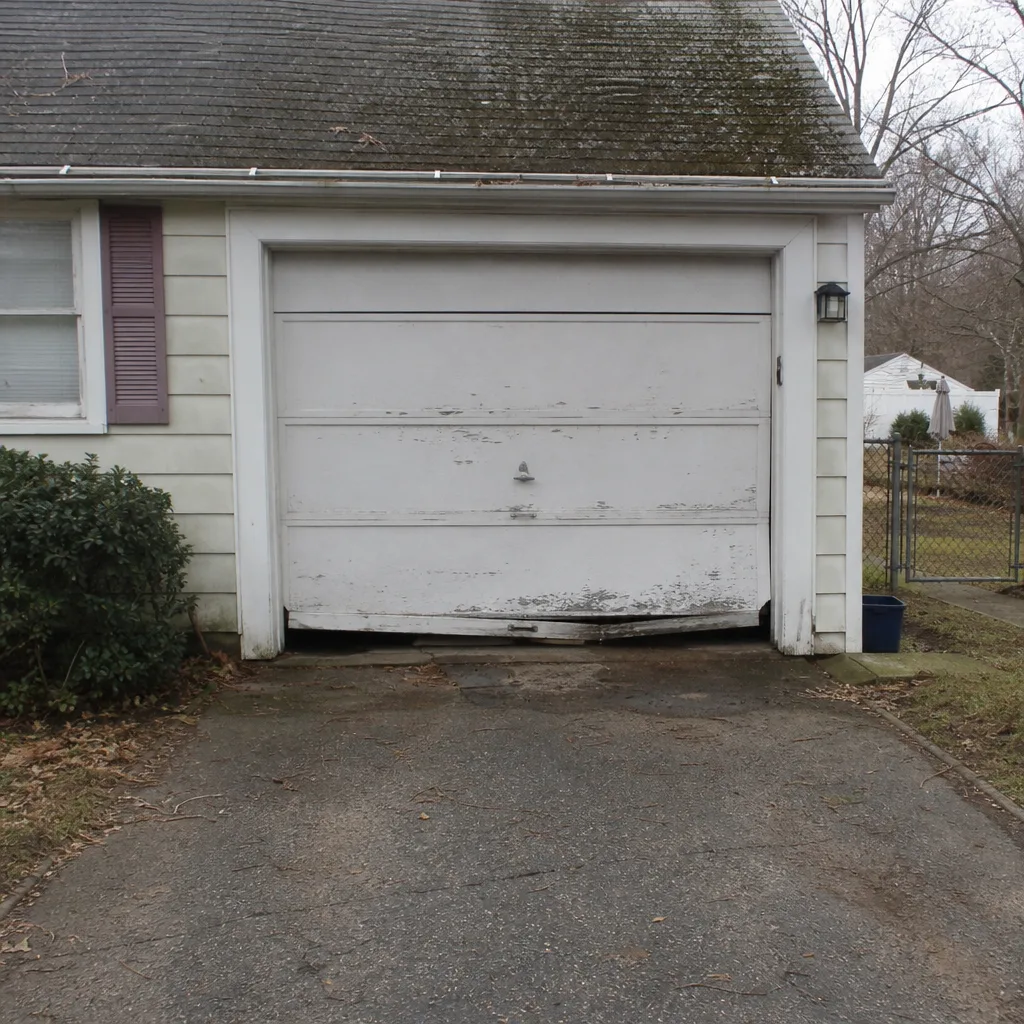 Before
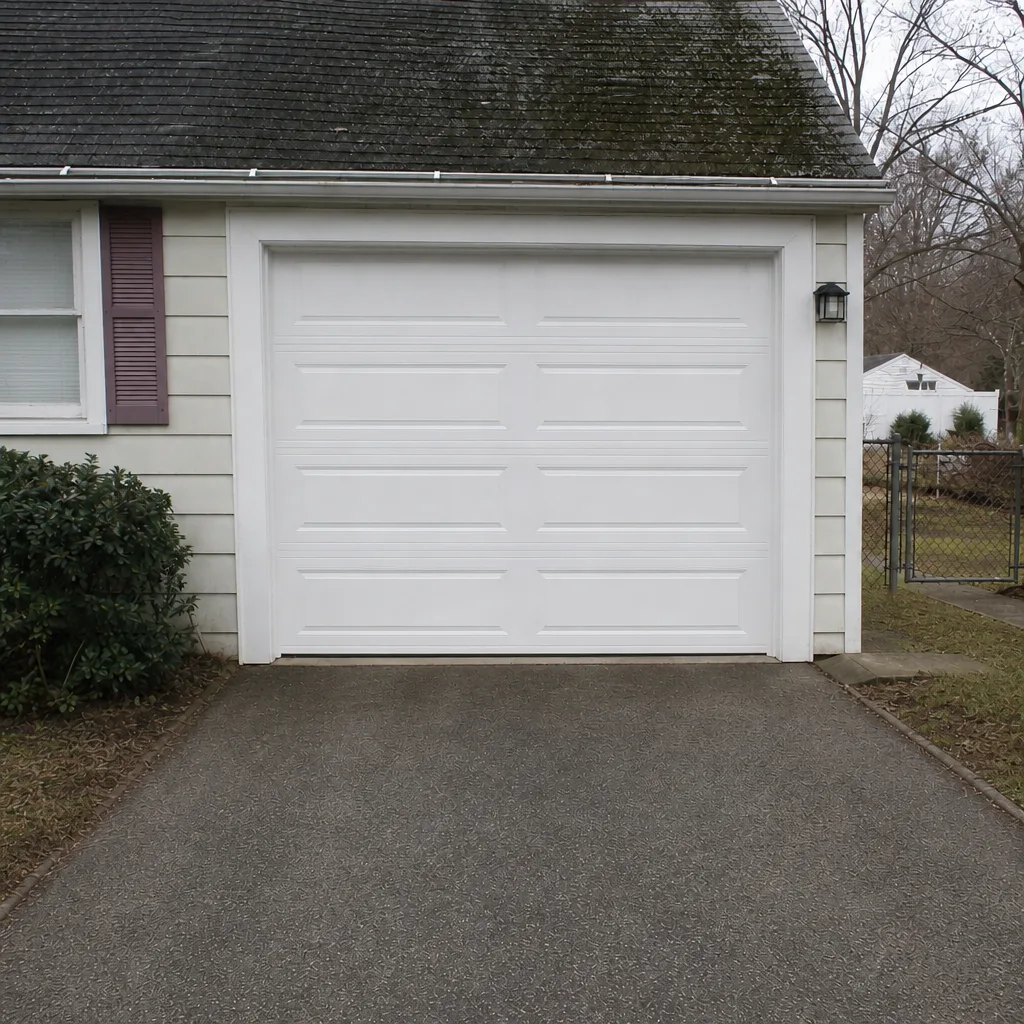 After
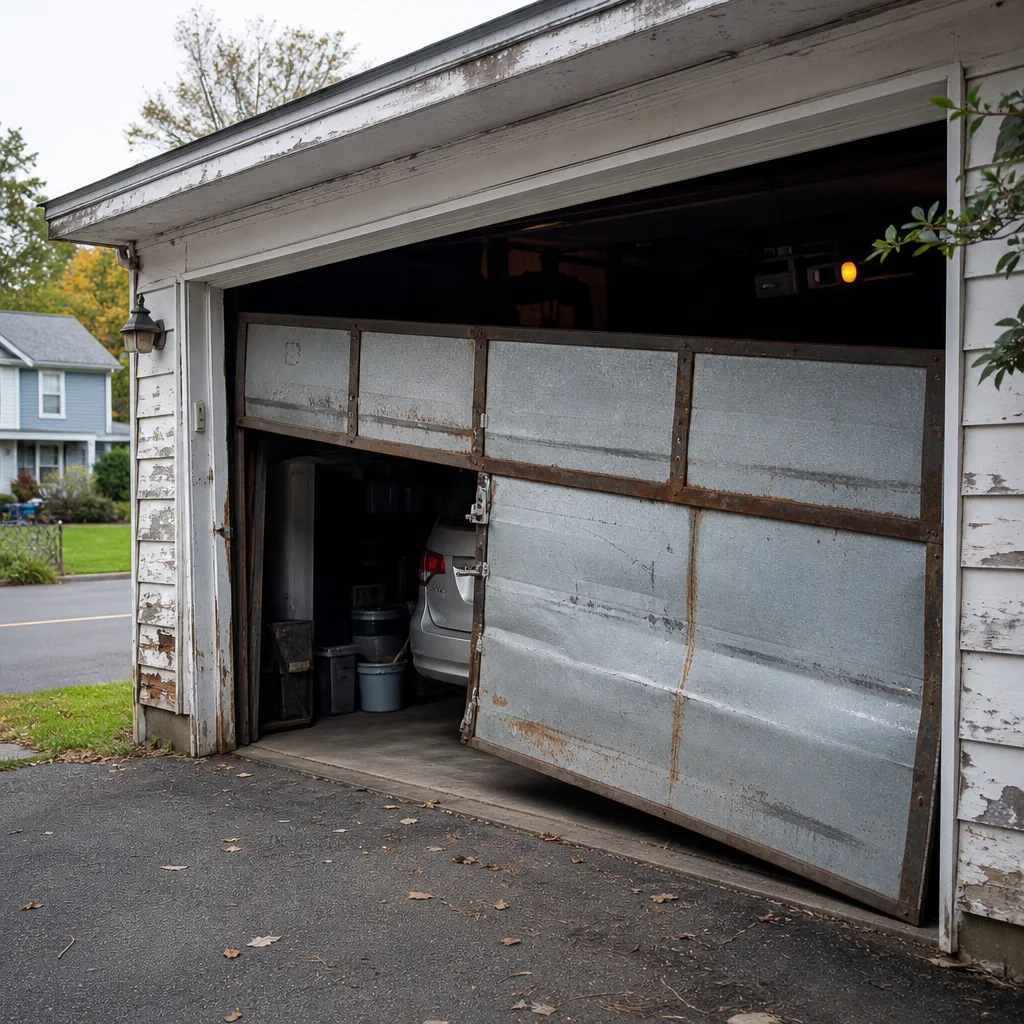 Before
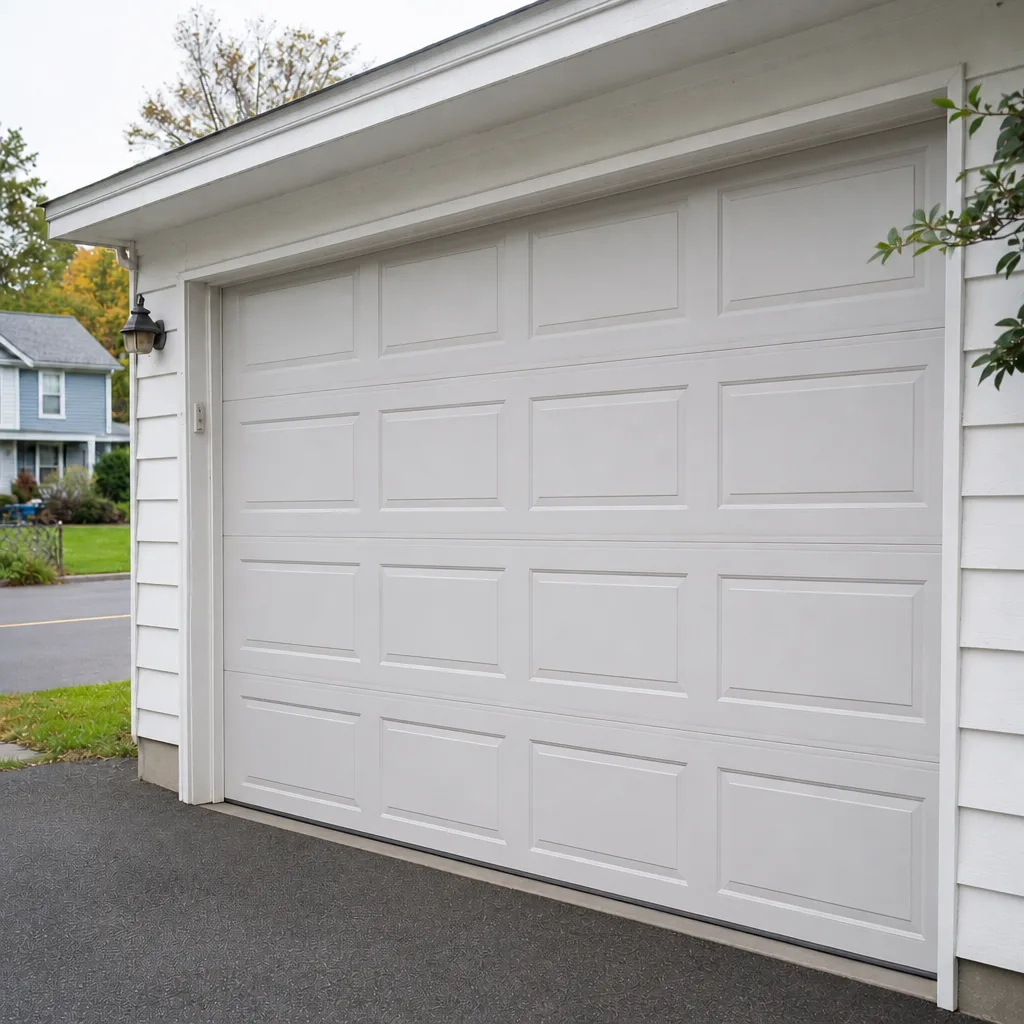 After
When to Call a Professional
If your garage door is being replaced, if the opening itself is changing, or if a new opener requires electrical work, that’s a permit situation and a professional should be handling both the paperwork and the install. If your door has failed – spring snapped, door off track, opener unresponsive – that’s not a permit question, but it is a job for someone who does garage doors all day. Bristol Garage Door Repair Co offers free estimates in Bristol and connects you with vetted local pros. Call (888) 794-8841. We answer 24/7. Fast dispatch from 7am to 7pm, Sunday through Friday. For anything involving the spring assembly, don’t improvise – that work is where serious injuries happen, and it’s the one job that genuinely warrants a specialist. For the full range of what we coordinate, from Bristol Garage Door Repair Co to a scheduled replacement, we’re structured to handle the whole arc.
Frequently Asked Questions
In most cases, yes. A full garage door replacement typically requires a building permit in Bristol, especially when it involves structural changes, wind-load spec changes, or new opener wiring. A same-spec, like-for-like swap can be a gray area, so confirm with the Bristol building department before you commit to a contractor and a price. If the scope is unclear, call us at (888) 794-8841 for guidance on how to frame the question to the city.
No. Spring replacement is a repair, not a construction project, so it doesn’t trigger a permit. That doesn’t make it low-risk: torsion springs are under extreme tension and can cause serious injury if handled wrong. Use the spring repair service and let a trained professional do the work. Estimates are free.
Fees are set by the city and vary by project scope, so the number to trust is the one the Bristol building department quotes you directly. Don’t rely on a figure from a website, including ours. The permit fee is small compared to the cost of a delayed home sale or a correction notice, which is the real argument for pulling it.
It can. Buyers’ home inspectors look for permit records on recent garage work, and lenders may require retroactive permitting before closing. The responsible party is typically whoever owned the home when the work was done, but the closing is what gets held up. Keeping the permit record from day one avoids the whole problem.
The 2018 RCNYS adoption requires the door assembly to meet wind-load requirements for the site and to meet thermal targets, typically R-value specs on the insulated door. It also requires functioning entrapment protection on automatic openers. The door must carry the product labeling for the standard it was built to. Your contractor’s spec sheet should match what the Bristol inspector will look for.
We connect you with independent local professionals who pull their own permits and schedule their own inspections for permitted work. The pro is licensed and insured as Connecticut requires. What you get from us is the connection and the estimate – free, with the price set in writing before any work starts. Call (888) 794-8841 for an exact quote.
The Bottom Line
The garage door permit question in Bristol is simple once you separate repairs from construction. Spring and cable fixes, opener swaps, and like-for-like tweaks generally don’t need one. Replacements, structural changes to the opening, and new electrical work typically do. Connecticut’s code requirements for wind load and R-value are the standards the inspector checks against, and the closed permit record is the document that protects you at sale or claim time. A qualified contractor pulls the permit, schedules the inspection, and hands you the record. A contractor who balks at that is telling you something. Bristol Garage Door Repair Co is a garage door specialist – it’s the only trade we cover – and we’ll point you to the right pro for the scope, free of charge.
Written by the team at Bristol Garage Door Repair Co.