
Last updated November 21, 2026
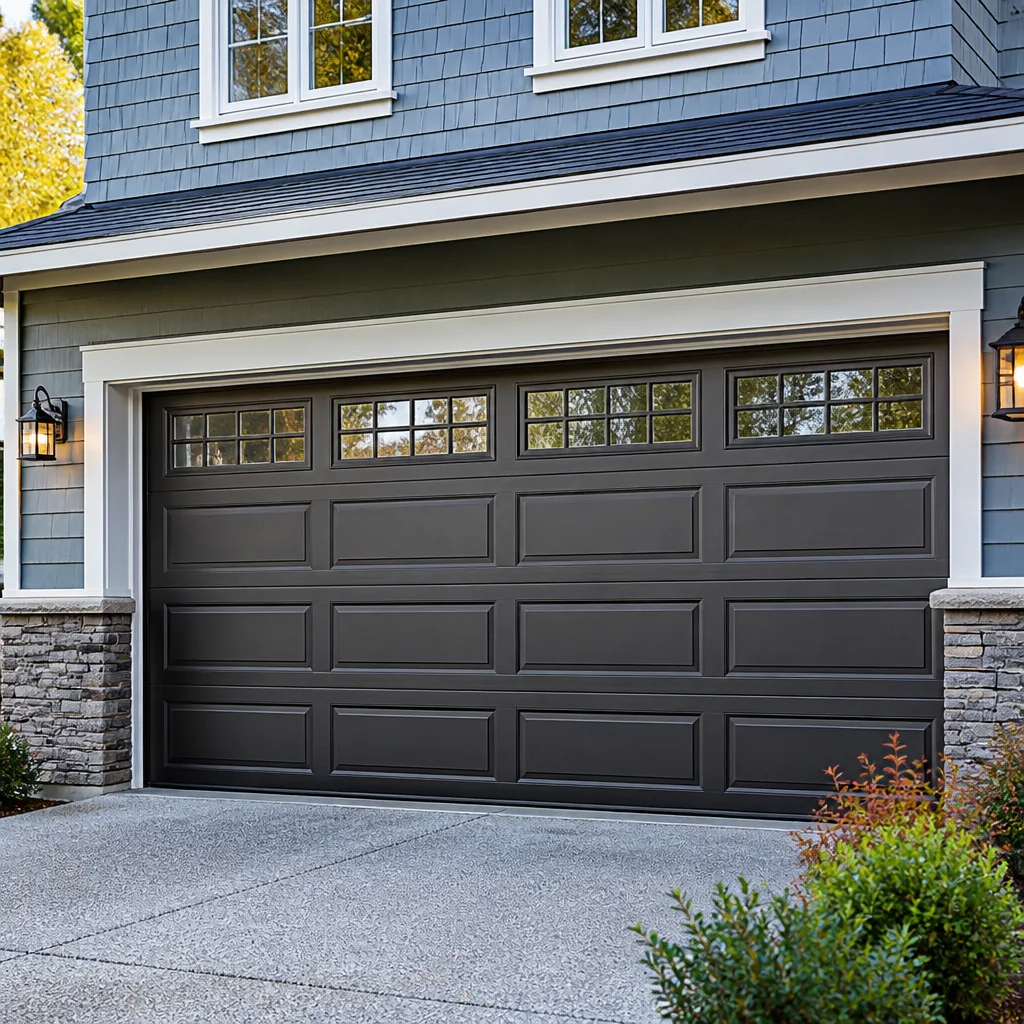 Raised-panel steel
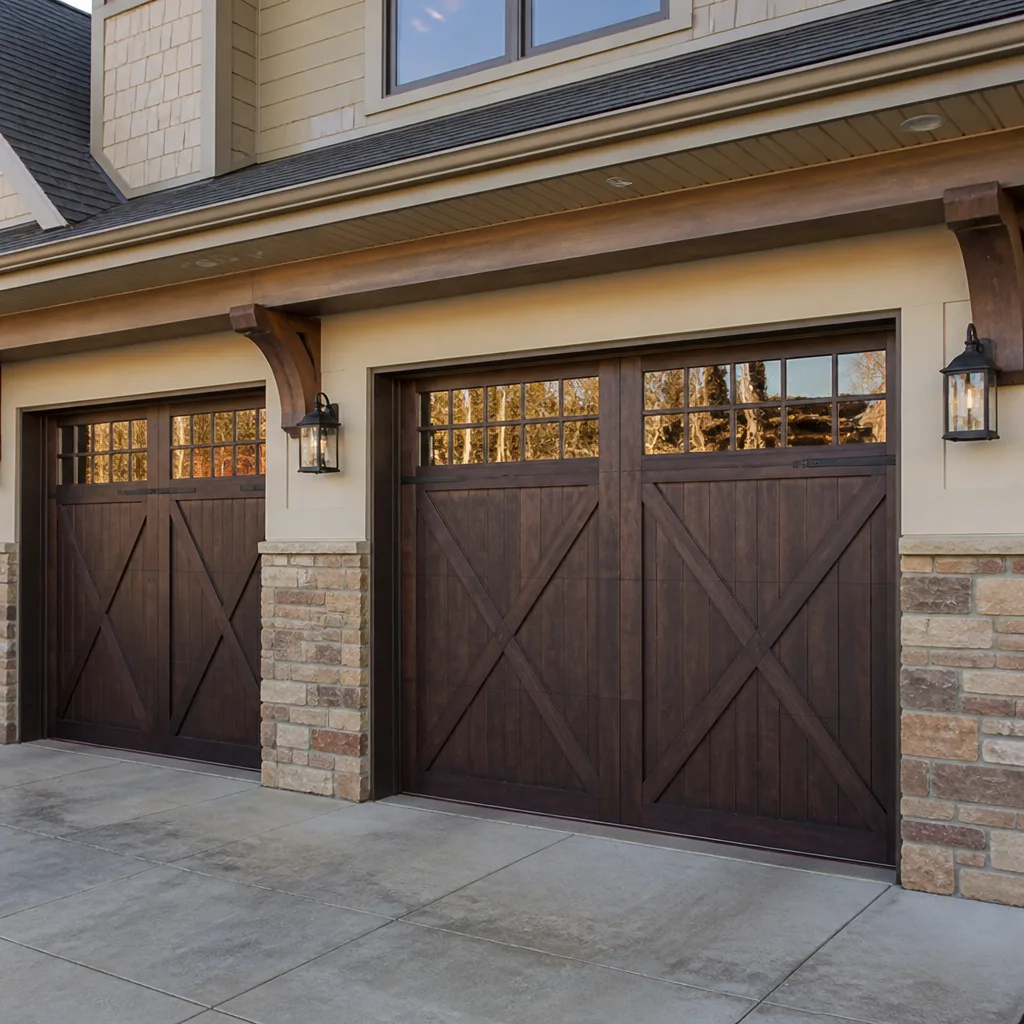 Carriage house
 Modern flush
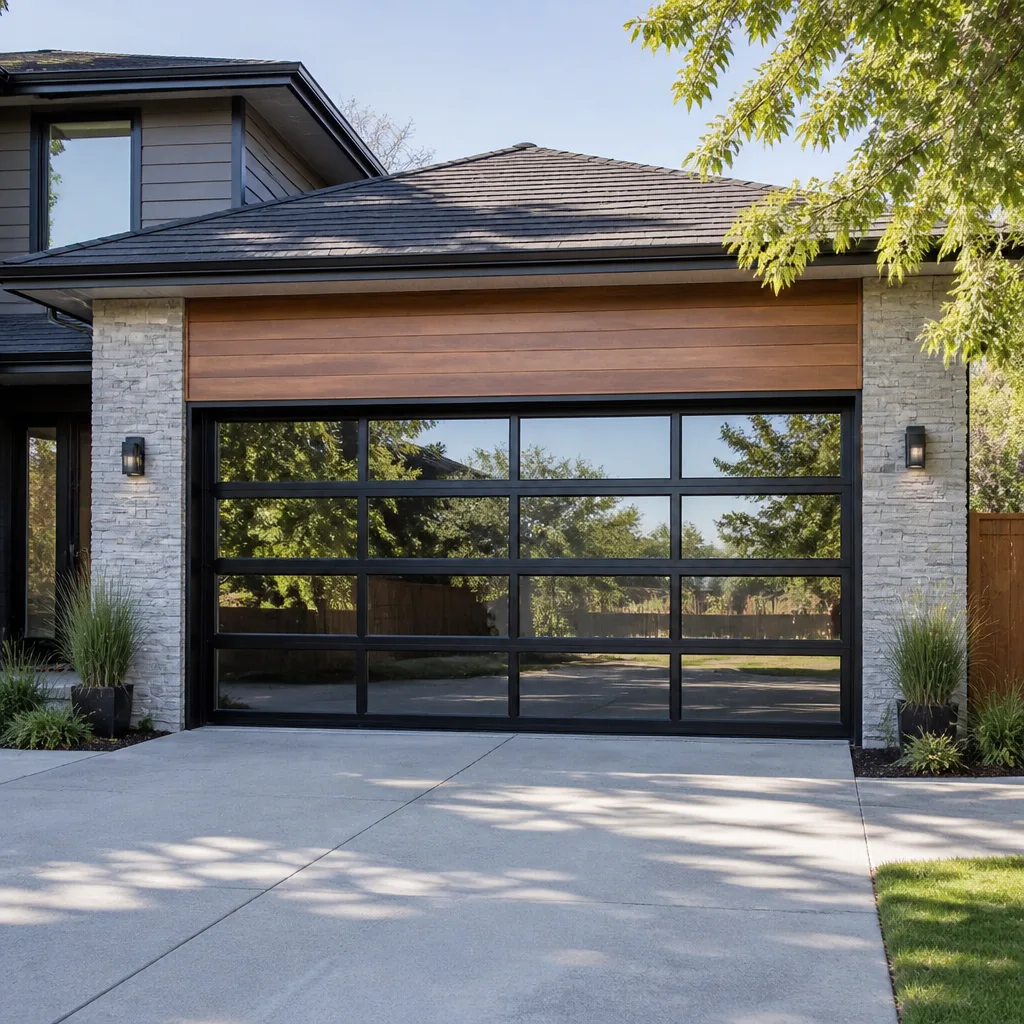 Full-view glass
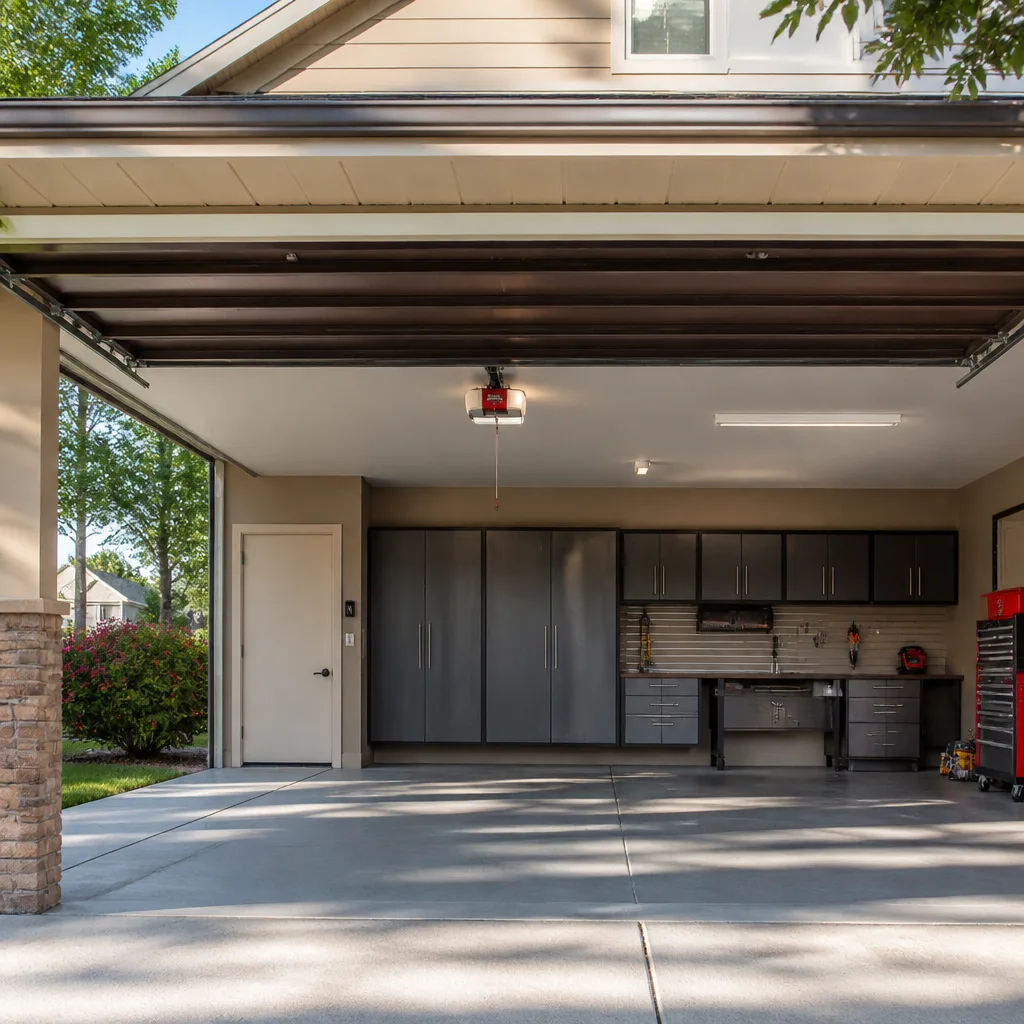 LiftMaster openers
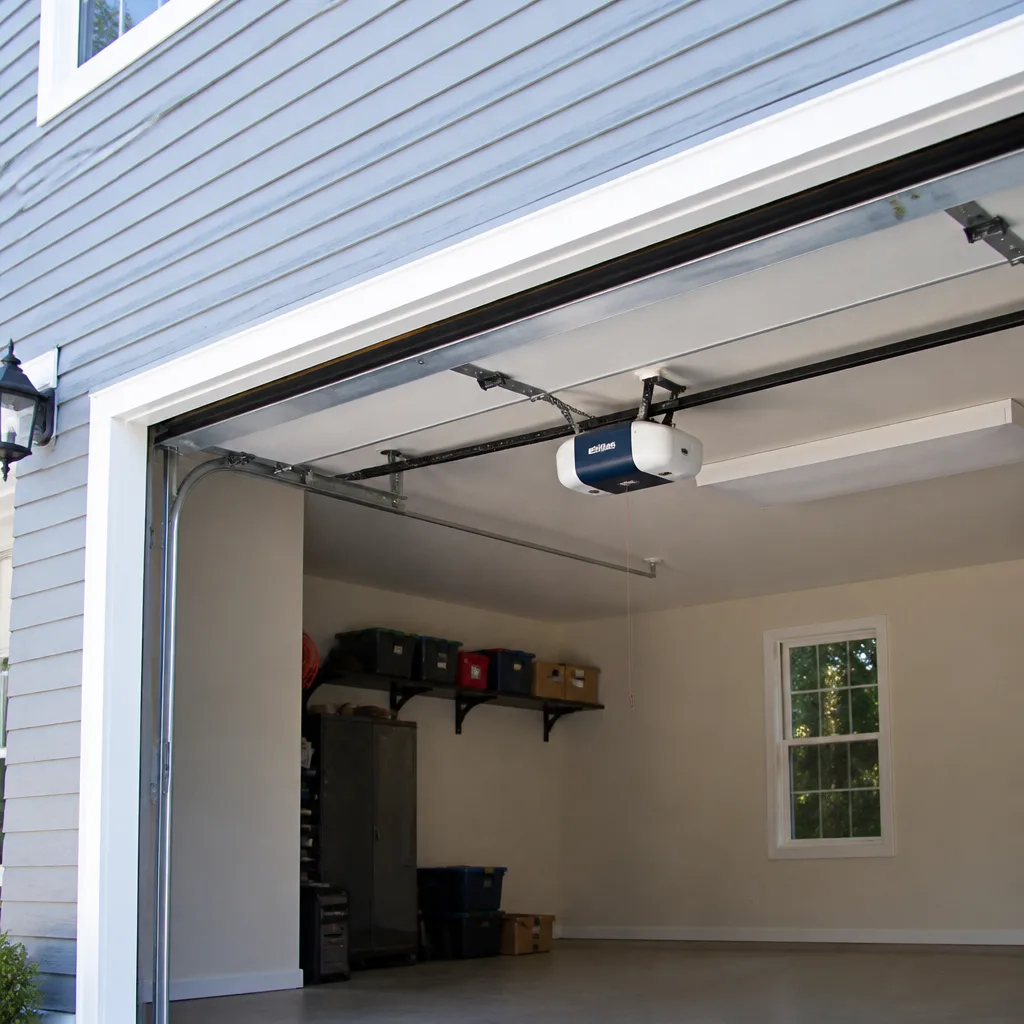 Chamberlain openers
Full 25-point door and opener safety check with every visit - springs, cables, rollers, tracks, and your LiftMaster or Chamberlain opener included
You get a price before we start. It does not change when the pro arrives.
Get your free estimateGarage Door Emergency Preparedness Guide for Bristol Homes
Most garage door emergencies get worse in the first ten minutes, and almost never because of the door itself. They get worse because someone yanks a release cord they shouldn’t have pulled, forces a door that’s off its track, or props a dead door open with a broom handle and calls it secure. A garage door that won’t open on a cold Bristol morning is frustrating, but the real damage usually comes from the improvised fix, not the failure. This guide covers the three things to do before you call anyone, how to handle the winter-specific failures this part of Connecticut throws at doors, and what to keep on hand so a breakdown doesn’t turn into a hardware store run. Read it once now, while nothing’s wrong.
Quick Answer
A garage door emergency in Bristol usually means a broken spring, a door stuck open or closed, or an opener that’s stopped responding – and the fastest path to a fix is three steps: stop forcing the door, secure the opening safely, and call with your door’s brand and the exact symptom. Don’t pull the manual release on a door with a broken spring, because a door held up only by a failed spring can come down hard. Secure the door, then call (888) 794-8841. We answer 24/7, and fast dispatch runs 7am to 7pm, Sunday through Friday.
Styles & brands we work with
- Raised-panel steel
- Carriage house
- Modern flush
- Full-view glass
- LiftMaster openers
- Chamberlain openers
Table of Contents
- The First Five Minutes: What to Do Before You Call
- The Manual Release: How to Use It Without Breaking Your Opener
- How to Secure a Door That Won’t Close
- What to Tell Us When You Call
- Winter Emergencies: Frozen Seals, Cold Springs, Ice-Bound Tracks
- What to Keep in the Garage Before You Need It
- What Emergency Repairs Typically Cost in Bristol
- Common Mistakes to Avoid
- When to Call a Professional
- Frequently Asked Questions
The First Five Minutes: What to Do Before You Call
The single most useful habit in a garage door emergency is to stop touching the door. A door that’s failed is usually under load it wasn’t designed to hold in that position, and every cycle of the opener, every tug on the handle, and every attempt to “help it along” pushes metal parts closer to a sudden release. That’s how a repair turns into a repair plus a damaged panel plus a bent track.
Here’s the sequence that keeps a Bristol garage door emergency small:
- Stop the opener. If the door is mid-travel and the opener is still running, press the wall button once to stop it. Don’t press it repeatedly trying to cycle the door closed.
- Look before you touch. Stand back and check the springs above the door. If a torsion spring (the coiled one on the shaft above the door) is visibly separated, or an extension spring is stretched out and hanging, treat the door as unsupported.
- Keep people and cars clear. Don’t park under the door, don’t walk under it, and keep kids from using it as a jungle gym while it’s in a bad state.
- Note the symptom in plain words. “It opens six inches and stops” or “the motor hums but nothing moves” is exactly the information that lets us arrive with the right parts.
- Call. The sooner you call, the sooner a technician can be routed to you.
The doors we see most often in Bristol are standard sectional doors, and a good share of them run Genie or LiftMaster openers. Knowing which you have speeds up the diagnosis, but you don’t need to know it before you call. A technician will confirm it on site. What matters in the first five minutes is that you haven’t made the failure worse. A door that’s simply stopped is a manageable repair. A door that’s been forced, yanked off its track, or dropped after a release was pulled is a bigger job with more parts involved. We’d rather fix the first version every time, and so would you.
The Manual Release: How to Use It Without Breaking Your Opener
The manual release exists so you can open the door by hand during a power outage, and it’s the single most misunderstood part of a residential garage door system. Used correctly, it disconnects the door from the opener so you can lift it manually. Used incorrectly, it permanently disconnects the trolley, and the opener will run its motor while the door sits still until someone reconnects it.
The specific mistake: pulling the release when the door has a broken spring, then lifting the door by hand and letting it back down. On a door with an intact spring, the spring balances the door’s weight so it stays where you put it. On a door with a broken spring, the door is heavy and has nothing holding it up. Pulling the release there lets the door drop, and the drop can bend the panels, tweak the track, and put a person in the door’s path. That’s a genuine injury risk, not a hypothetical one. If you suspect the spring is gone, don’t pull the release and don’t try to lift the door.
On a door with springs that are intact, the release procedure is straightforward:
- Close the door fully first if you can.
- Locate the release handle – usually a red cord with a T-handle hanging from the trolley, or a wall-mounted lever on newer openers.
- Pull straight down, firmly, once. Don’t yank sideways.
- Lift the door slowly by hand from the bottom center, not by the handle at the side.
- If the door feels heavy or binds on the way up, stop and lower it back down. Something else is wrong.
To re-engage the trolley after a manual open, run the opener and let it travel until the trolley carriage reconnects with the door arm, or follow the reconnect step in the opener’s manual. If the opener runs but the door doesn’t move after re-engagement, the trolley isn’t fully seated. That’s a common point where a homeowner calls us for garage door opener repair when the real problem is the connection, not the opener itself. A trained technician can catch the difference quickly. Our technicians have up to 15 years of experience diagnosing exactly these situations.
How to Secure a Door That Won’t Close
A door stuck open is a different problem from a door stuck closed. Stuck closed, you’re inconvenienced. Stuck open, the garage is exposed to weather, and every tool, bike, and box inside it is visible from the driveway. Securing the opening without ignoring it is the goal until a technician arrives.
What works, in rough order of usefulness:
- Lower it as far as it will go safely. If the door will travel most of the way down and stop short by an inch or two, that’s better than a fully open door. Don’t force it past its stopping point.
- Barricade the opening from the inside if it’s fully open. A couple of heavy boxes or a stacked bin in front of the opening signals “not open to the public” to anyone glancing from the street.
- Move valuables out of sight of the opening. Tools, bikes, and anything else that would walk away if the door stayed open should come inside the house for now.
- Close the door to the house if the garage is attached. A door from the garage into the kitchen is the real security line when a door won’t close.
- Don’t wedge anything under a door that’s partially down. A door held by a cinder block or a board is under load, and if it drops or closes fully, it can crush what’s under it and crack a panel.
The weather angle matters in Bristol in a way it doesn’t in warmer climates. A garage left open through a cold snap pulls heat out of the house, especially if the garage is attached, and a door held cracked open during a snow or ice event lets meltwater into the bottom tracks. That’s how a simple stuck door turns into a rusted bottom bracket and a warped bottom seal by the time it’s repaired. It’s the same reasoning that makes garage door repair more than a convenience here: the weather is a factor most of the year, and a door that’s left in a bad state through one cold week tends to come back with a second problem. Securing it quickly is what keeps the repair small.
What to Tell Us When You Call
The information you give on the phone determines whether a technician arrives with the right parts or has to drive back out for them. In a Bristol garage door emergency, five details cover almost everything a dispatcher needs.
- What the door is doing, in plain words. “It opens six inches and stops” or “the motor runs but the door doesn’t move.” Describe the symptom, not the diagnosis.
- What you’ve already tried. Pull the release? Cycle the opener? Push the door? Say so, because it changes what gets checked first.
- The door brand and opener brand if you know them. Clopay, Wayne Dalton and Amarr cover a lot of what’s installed in Connecticut homes, and Genie and LiftMaster dominate the openers. If you don’t know, a photo of the opener’s motor housing or the label on the door helps.
- Whether a car is parked inside. A door that won’t open with a car inside is a different scheduling priority than a door that won’t close with nothing in the garage.
- Whether the door is attached to the house. Attached garages get routed differently because the security and weather exposure is real.
When you call, write down the make and model if you can find it. The label on the opener is usually on the motor housing or the wall button, and the door’s model is on a label on the inside of a panel. A photo, taken from a few feet back, is even better. We work on Genie, Clopay, Amarr, Wayne Dalton, LiftMaster, Chamberlain, Craftsman and Raynor systems specifically, so a brand name goes a long way toward knowing what we’re walking into. What we don’t want is for you to spend twenty minutes fumbling for a manual while the water heater is draining into the garage because the door won’t close. Call with what you know. The technician can fill in the rest.
Winter Emergencies: Frozen Seals, Cold Springs, Ice-Bound Tracks
Bristol winters produce three garage door failures that don’t show up much in warmer parts of the country, and each has its own safe first response. The instinct to crank on the opener or yank the door doesn’t help any of them.
Frozen bottom seals
A rubber bottom seal that’s frozen to the concrete floor will keep the door from lifting, and forcing the opener can strip the gear inside a Genie or LiftMaster unit. The safe response is to stop cycling the opener, then clear the ice around the seal from the outside with warm water or a de-icer intended for concrete, not a hammer or a chisel. If the door still won’t lift, don’t pull the release. Call and describe it – a frozen seal is a fast fix on site and doesn’t need a new seal unless the rubber is torn.
Cold-contracted springs
Torsion springs are under a lot of tension, and cold metal contracts and gets brittle. A spring that fails in a cold snap often fails without warning, and the door drops. If you hear a loud bang from the garage and the door is suddenly hanging down, the spring has almost certainly failed. Don’t use the opener and don’t use the release. A door held only by a broken spring is dangerous, and spring work is one of the most technically demanding repairs in the trade. That’s why garage door spring repair is a dedicated service for us rather than an add-on to a general handyman call. Call (888) 794-8841. We answer 24/7, and fast dispatch runs 7am to 7pm, Sunday through Friday.
Ice-bound tracks
Ice that builds up in the curved section of the vertical track or the bottom corner of the horizontal track wedges the rollers and stops the door mid-travel. Repeatedly running the opener against ice-bound rollers is what bends a roller stem or knocks the door off track. The safe answer is to stop using the opener, clear any visible ice at the base of the tracks with warm water, and if the door still binds, leave it and call.
The pattern across all three is the same: winter turns small tolerances into full stops. A door that runs fine in July finds the limits of its adjustment in January. That’s not a flaw in the door; it’s the climate asking more of the door than in warmer markets, and it’s why the winter check-ahead habit pays off here.
What to Keep in the Garage Before You Need It
The garage is usually the last place a homeowner thinks to stock, and the first place an emergency forces a run to the hardware store. A small set of supplies sitting in a labeled box on a shelf can shave real time off the window between “the door broke” and “a technician is on the way.”
- A flashlight with fresh batteries – power outages and garage doors fail together more often than you’d think.
- The opener’s manual – paper copy, in a zip bag, in the labeled box. The release and reconnect steps are in there.
- A note with the door and opener brands and models – write it down while the door is working fine, because reading a model label becomes much harder when the door is stuck.
- Ice melt intended for concrete – not rock salt, which damages concrete and the bottom seal. Enough for a couple of feet around the door’s threshold.
- A couple of heavy boxes or a folding barricade – so a stuck-open door can be marked off from the inside.
- A basic first aid kit – garage door accidents are rare but often involve hands. Better to have it and not need it.
None of this replaces the phone call. It shortens the time between the failure and the call, and it makes the call more useful. A homeowner with the brand name and the symptom on a sticky note gets a faster, better-informed response than one who’s guessing at both. We’d rather spend the call figuring out what’s wrong with the door than coaxing the door’s serial number out of a homeowner standing in a cold garage.
What Emergency Repairs Typically Cost in Bristol
Garage door emergencies in Bristol typically cost less than homeowners expect for the small failures and more than they expect for the big ones. A cable that’s come off its drum is often a reasonable repair. A broken torsion spring is a specialty job because of the tools and training involved. What follows are typical ranges, not quotes – the written estimate we give you on site sets the final price, and you approve that price before any work starts.
| Repair | Typical Estimated Range | Notes |
|---|---|---|
| Torsion spring replacement (one spring) | $180-$340 | Matched pairs often replaced together – a pair runs about twice the single-spring figure |
| Cable replacement | $150-$280 | The cable and the drum hardware are usually replaced together |
| Roller replacement (full set) | $120-$240 | Older steel rollers are the usual failure point |
| Track realignment | $150-$350 | Varies with how badly the track is bent |
| Opener repair | $150-$400 | Gear, logic board, or travel-limit work depending on the fault |
| Bottom seal replacement | $90-$200 | Frozen-seal emergencies often need this if the rubber has torn |
Two things matter most here. The first is that the estimate is free and the price is agreed before any work starts, so the number you approve is the number you see at the end. The second is that emergency work is priced the same way as planned work – per job, by the written estimate. There’s no overtime premium, no night rate and no weekend surcharge. A door that fails on a Sunday is priced the same way as a door that fails on a Tuesday.
If the estimate comes back higher than a repair is worth, the conversation moves to replacement. We can quote a new door in the same visit if you ask, and you’ll get the trade-off in numbers rather than a sales pitch. For a full sense of how we handle a routine repair, see the Bristol Garage Door Repair Co page. For an exact quote on your situation, call (888) 794-8841. Estimates are free.
Common Mistakes to Avoid
- Pulling the manual release on a door with a broken spring. Without a working spring, the door has nothing holding it up and will drop. Don’t release it and don’t try to lift it by hand.
- Repeatedly hitting the wall button when the door stops mid-travel. Each cycle pushes the opener’s gear and the door’s hardware harder. Once it stops, stop.
- Changing the opener before checking the door. A door that binds is often the reason an opener overheats and quits. Replacing the opener first can cost you a new unit and still leave you with a door that won’t move.
- Filing down or bending a bent track by hand. A track that’s been cold-bent in a Bristol winter often kinks a roller or throws the door off balance. It looks fixed and runs worse.
- Leaving a stuck-open garage door open “just until tomorrow.” Every cold night that a door sits open is a night a bottom bracket, seal, or threshold gets one more push toward a second repair.
- Using rock salt at the bottom of the door. Rock salt pits concrete and eats the bottom seal. Use ice melt labeled for concrete.
- Waiting to call until everything has been tried. The longer the door sits in a bad state, the more parts join the problem. Call (888) 794-8841 while the symptom is fresh and the door hasn’t been forced.
When to Call a Professional
Call a professional for anything involving springs, cables, or a door that’s off its track – those are the failures most likely to injure a homeowner who tries to fix them. That includes a bang from the garage followed by a door that won’t lift, a door hanging crooked on one side, a cable that’s come off its drum, and an opener that hums but won’t move the door. A door that’s frozen shut is also worth a call if it doesn’t free up with warm water at the seal, because a forced opener can strip the gear on a Genie, LiftMaster, Chamberlain or Craftsman unit. Bristol Garage Door Repair Co offers free estimates in Bristol – call (888) 794-8841. We answer 24/7, with fast dispatch from 7am to 7pm, Sunday through Friday.
Frequently Asked Questions
You can open it by hand if you pull the manual release and the door’s springs are intact. Only release the door when the springs are working, because a door with a broken spring has nothing balancing its weight and will drop. If you’re not sure the springs are fine, don’t pull the release – call and describe the door.
Secure the opening from the inside, bring anything valuable into the house, and close the door from the garage into the house if you have one. If the door will travel most of the way down before it stops, lower it as far as it goes. We answer 24/7. A call outside dispatch hours is booked into the next opening, Sunday through Friday, 7am to 7pm. Call (888) 794-8841 for an exact quote – estimates are free.
No. The written estimate we give you on site is the price, and you approve it before any work starts. If we find a second problem while we’re in there, we’ll quote it as a separate line and let you decide whether to do it now or later. Nothing gets added to a job without your approval.
Torsion spring replacement in Bristol typically runs $180-$340 for a single spring. Doors with two springs are usually replaced as a pair, which runs about twice the single-spring figure. The exact price depends on the door’s size and the spring spec, and the written estimate is what sets the final number. Call (888) 794-8841 for an exact quote – estimates are free.
In most cases, yes. Same-day service covers the majority of Bristol garage door emergencies, and spring, cable, and opener failures are the kinds of jobs that get triaged first. We answer 24/7. If you call outside dispatch hours, we’ll book you into the next opening, Sunday through Friday, 7am to 7pm. Call (888) 794-8841 – estimates are free.
The local pro we connect you with is licensed and insured as their state requires, and we confirm that before a technician is sent to your door. Spring and cable work in particular is dangerous, so it matters that the person doing it carries proper coverage. Call (888) 794-8841 for an exact quote – estimates are free.
The Bottom Line
The best time to think about a garage door emergency in Bristol is before one happens. Make sure you know your door’s brand and your opener’s model, keep a flashlight and the opener’s manual in a labeled box in the garage, and learn the one rule that prevents the worst outcomes: don’t pull the manual release if the spring is broken, and don’t force a door that’s failed. When the door does stop, note the symptom in plain words, secure the opening, and call. A five-minute call with the right information is worth more than forty-five minutes of DIY troubleshooting that makes the door worse. Call (888) 794-8841 for a free estimate.
Written by the team at Bristol Garage Door Repair Co.
See the difference
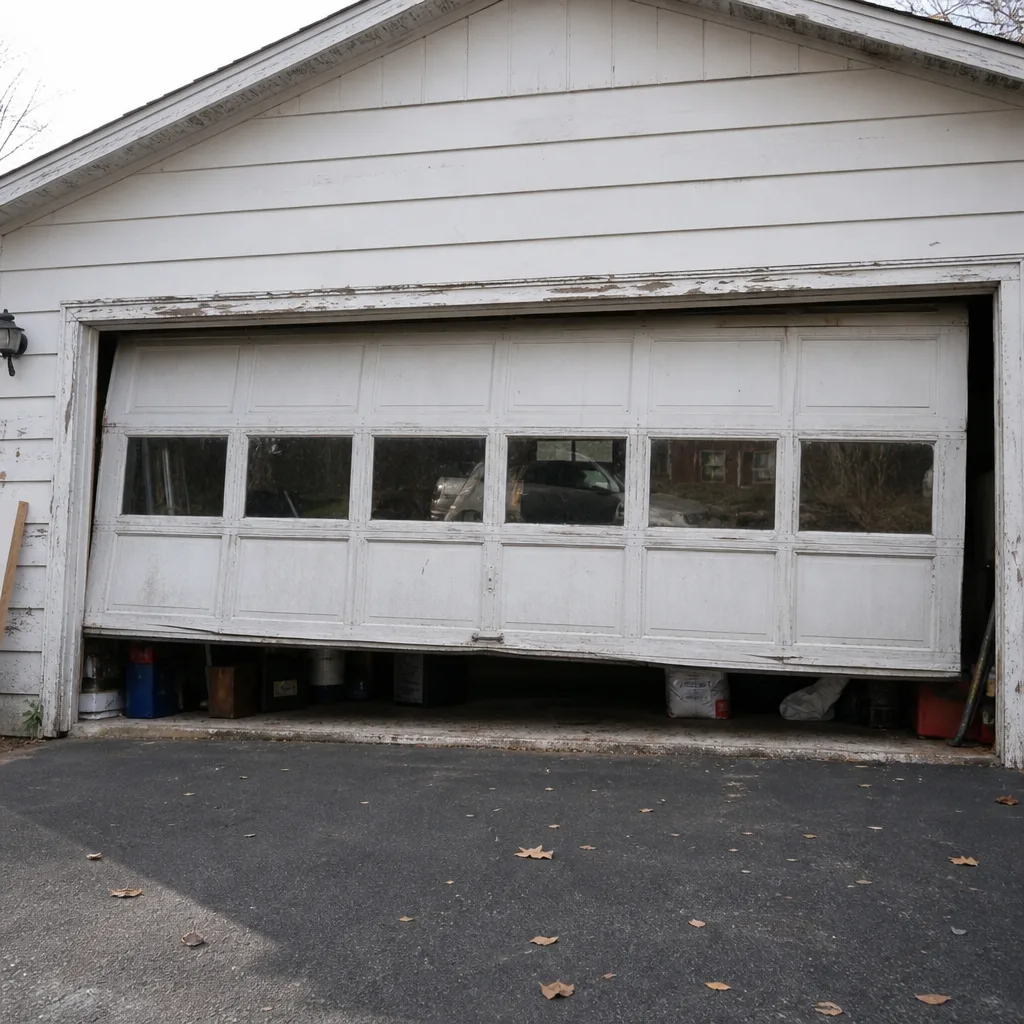 Before
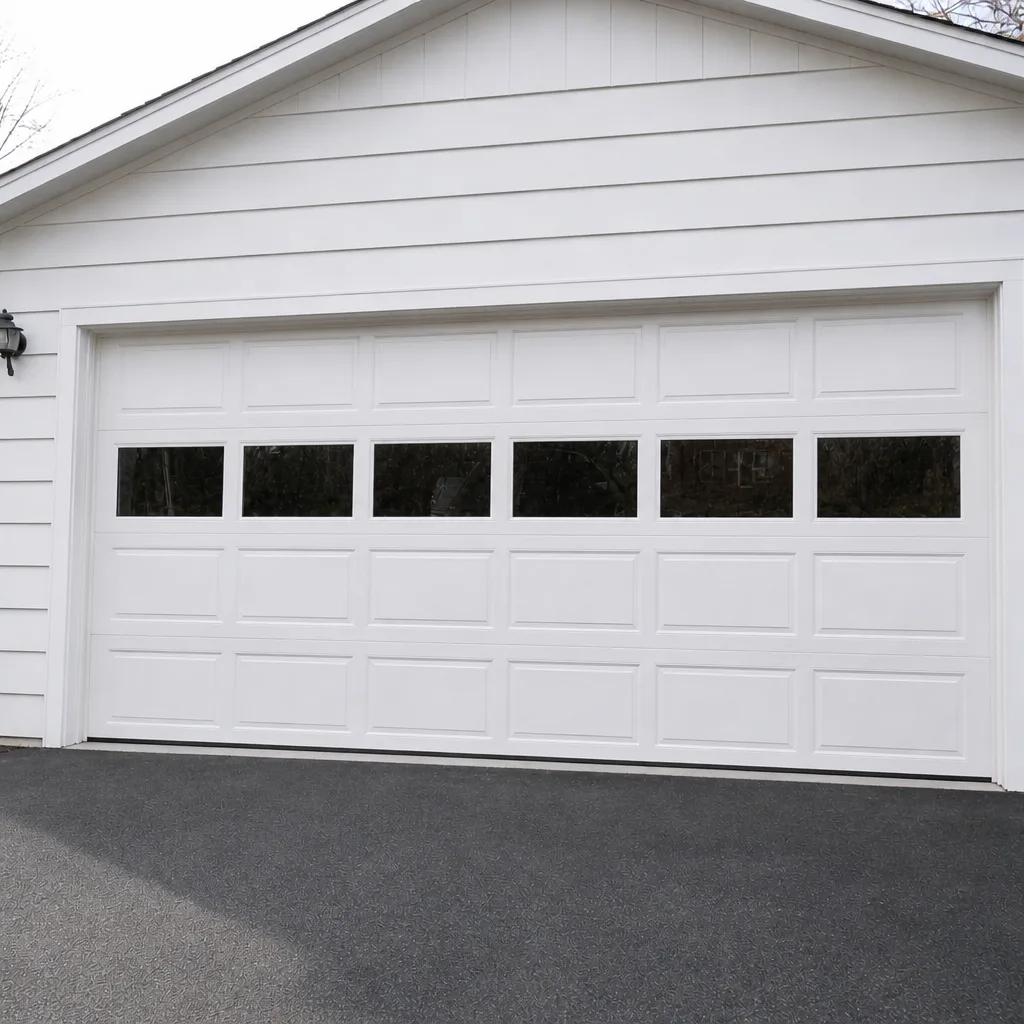 After
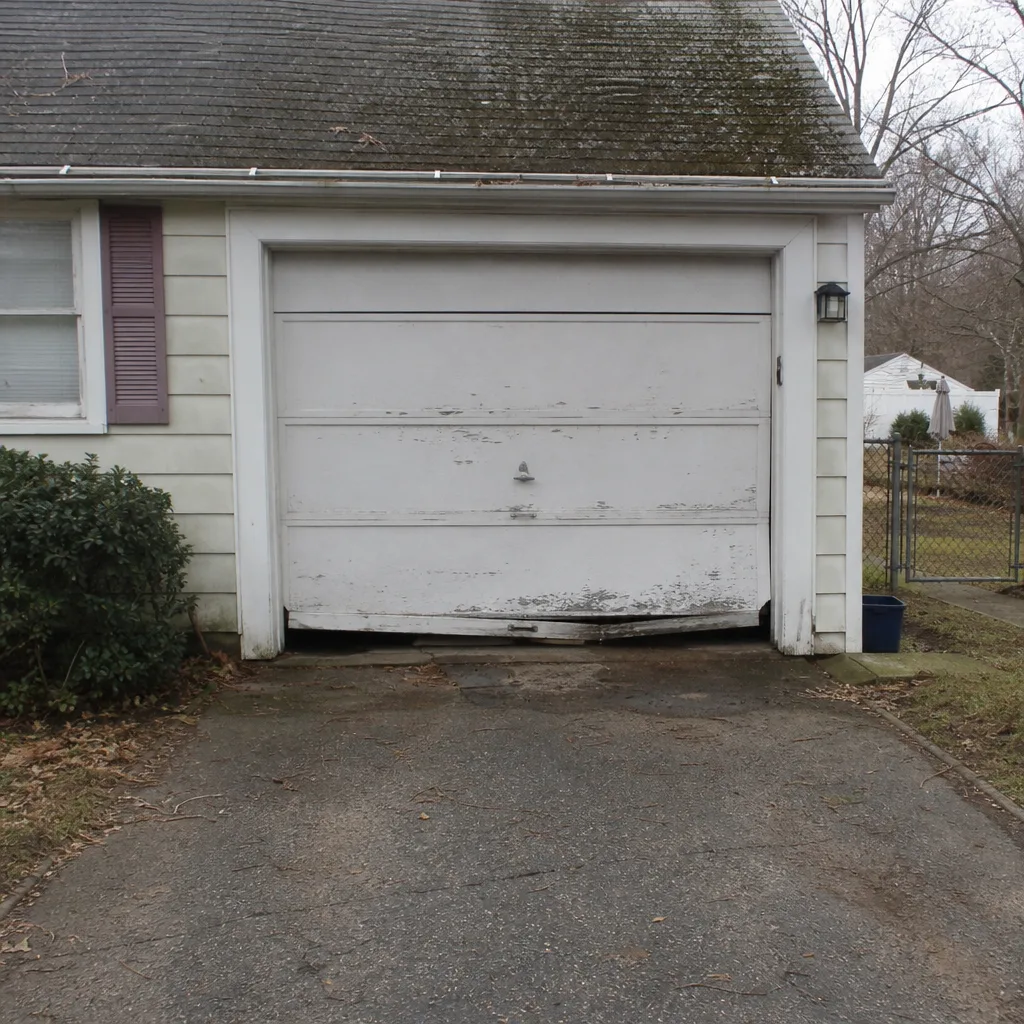 Before
 After
 Before
 After