
Last updated November 21, 2026
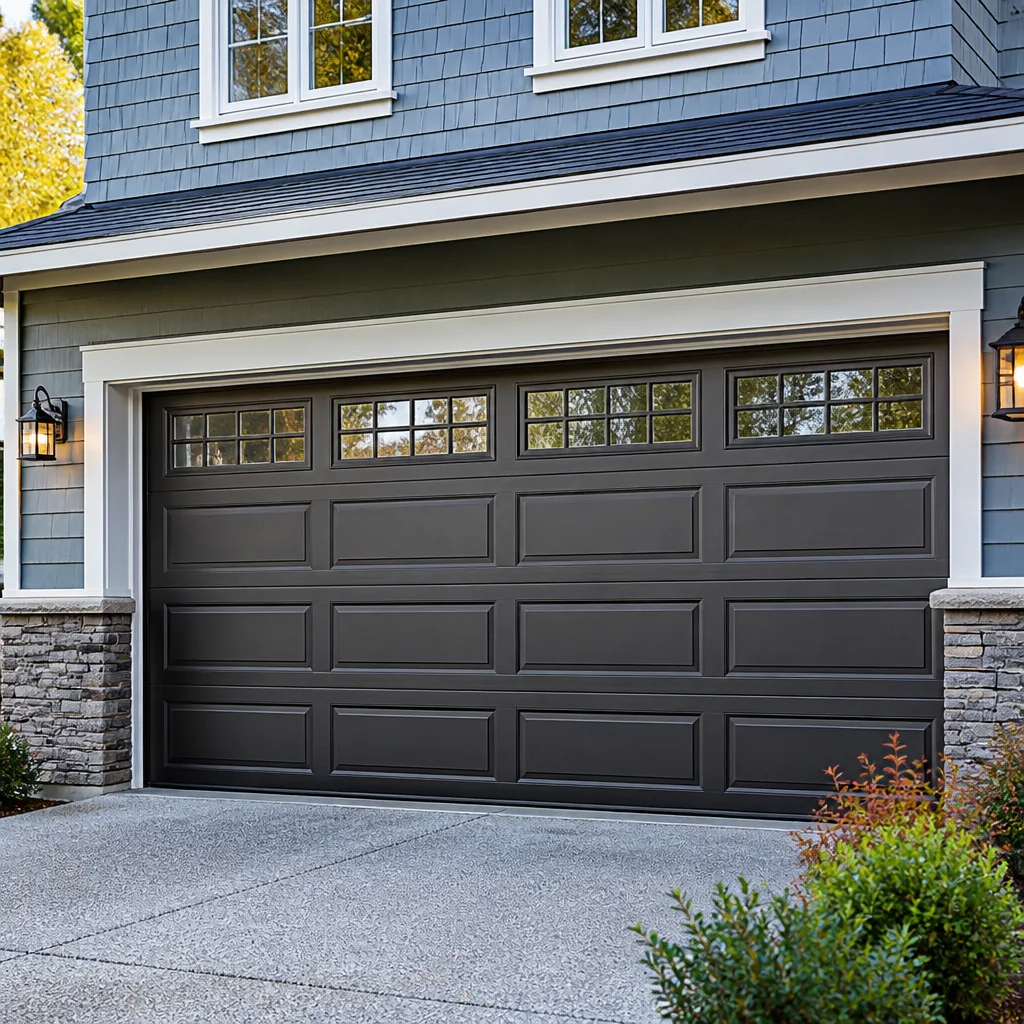 Raised-panel steel
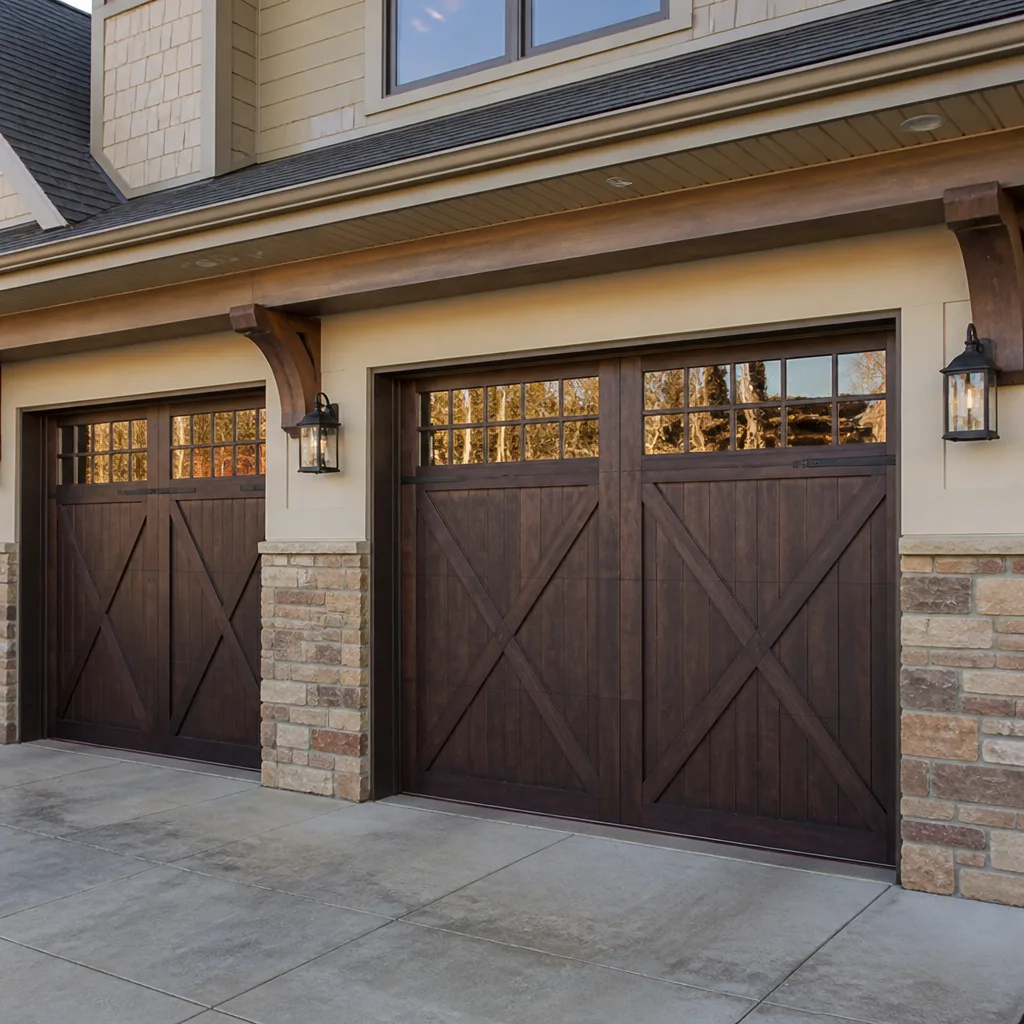 Carriage house
 Modern flush
 Full-view glass
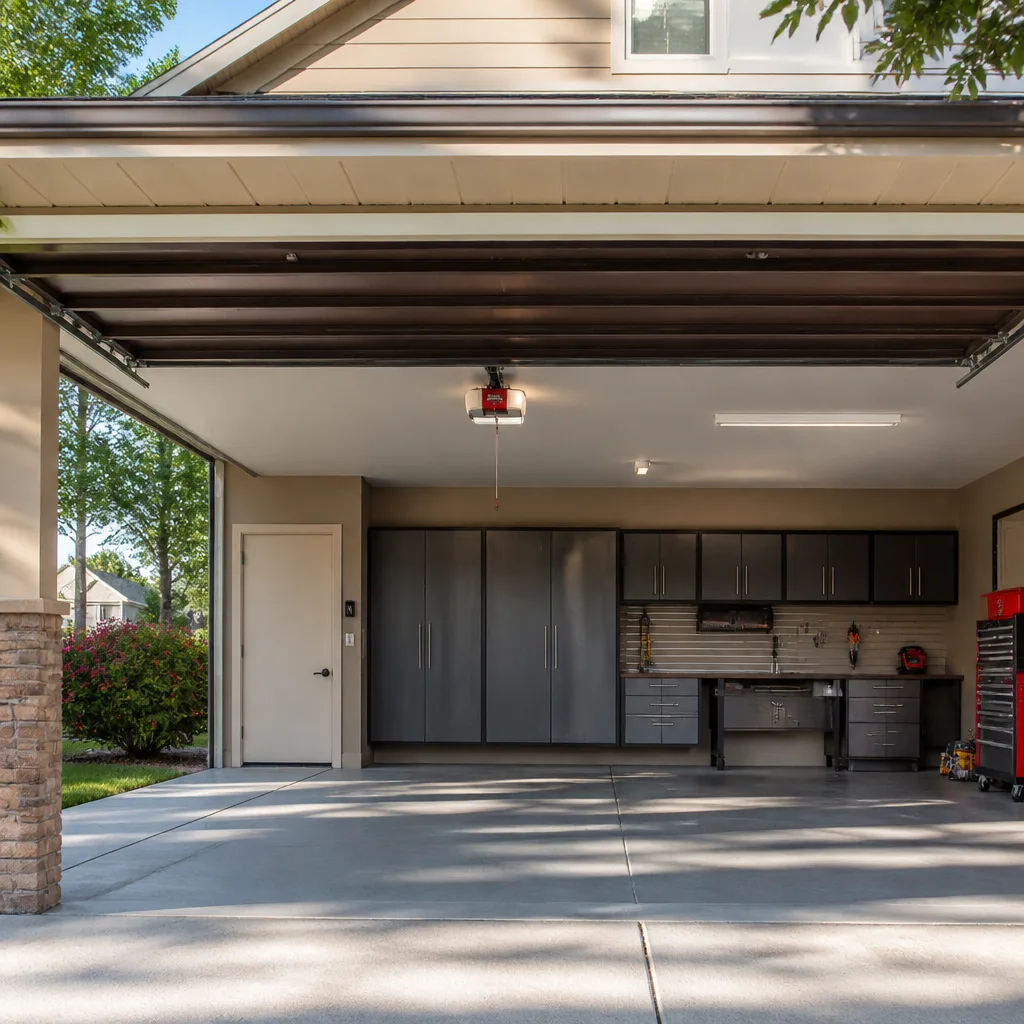 LiftMaster openers
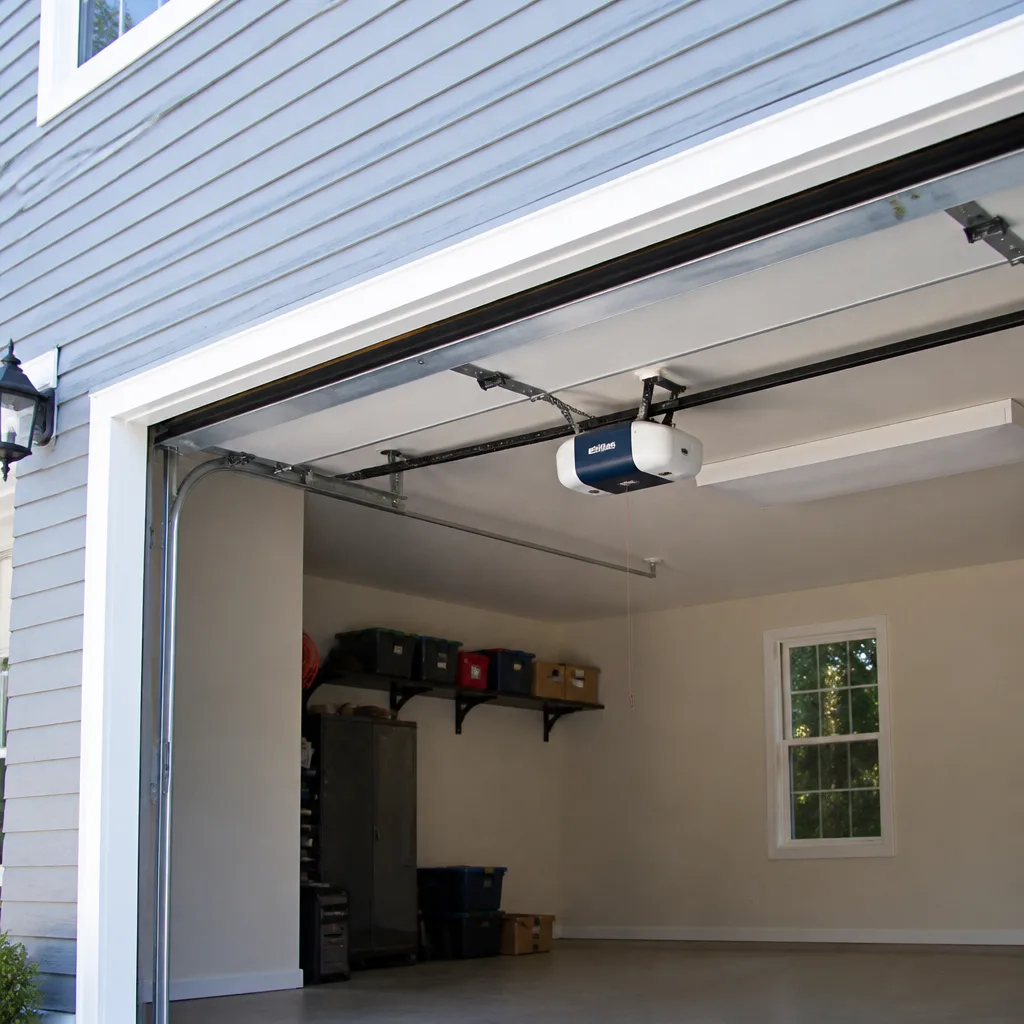 Chamberlain openers
Full 25-point door and opener safety check with every visit - springs, cables, rollers, tracks, and your LiftMaster or Chamberlain opener included
You get a price before we start. It does not change when the pro arrives.
Get your free estimateDIY vs Professional Garage Door: The Bristol Homeowner’s Decision Guide
Torsion spring replacement is not a difficulty issue. It’s a physics issue. A torsion spring under tension stores enough energy to break bones or worse when it lets go, and no amount of video watching changes that basic calculation. Yet homeowners across Bristol ask us the same question every week: can I just handle this myself? The honest answer is that it depends entirely on the task. Some garage door jobs are genuinely within reach for a careful homeowner with the right tools. Others cross a line where the savings stop mattering and the risk starts. This guide breaks the whole thing down task by task, so you can decide what to tackle and what to hand off. We’ll cover cost comparisons, the repairs that go wrong most often, and how Bristol’s climate and housing stock shape the decision.
Quick Answer
Most routine garage door maintenance, visual inspections, and even some opener replacements are manageable for a mechanically confident homeowner. But anything involving high-tension springs, cables, or a door that has come off its tracks belongs with a trained professional, because those components store or move force that can cause serious injury in an instant. Aftermarket parts, mismatched springs, and out-of-balance doors also push almost any repair into professional territory, and in our experience those are exactly the jobs that generate the most repeat calls in Bristol.
Styles & brands we work with
- Raised-panel steel
- Carriage house
- Modern flush
- Full-view glass
- LiftMaster openers
- Chamberlain openers
Table of Contents
- The Task-Level Breakdown: What’s DIY and What Isn’t
- Cost Comparison: Parts, Time, and Risk for the Five Most Common Repairs
- The Spring Reality Check: Why This Is a Physics Problem
- Opener and Hardware Swaps You Can Actually Manage
- What a DIY Mistake on a High-Tension Component Actually Costs
- Prep Work That Reduces Your Service Cost
- How Bristol’s Climate and Housing Shape the Decision
- What to Look For When You Do Call a Specialist
The Task-Level Breakdown: What’s DIY and What Isn’t
The DIY-versus-professional question only becomes answerable once you stop treating “garage door repair” as a single job. It isn’t. The trade covers tasks ranging from wiping down tracks to replacing a torsion spring carrying hundreds of pounds of stored force. Sorting the work into three buckets is the fastest way to make a real decision.
Green Light: Genuinely DIY-Friendly Tasks
- Lubricating hinges, rollers, and tracks with a proper garage door lubricant once or twice a year
- Tightening loose hinge and track bolts with a socket wrench
- Replacing the opener’s battery, remote, or photo-eye alignment
- Cleaning and clearing obstructions from the safety sensors
- Adjusting the opener’s force or travel limits, if the manual covers it clearly
- Replacing weather seals along the bottom of the door
Yellow Light: Doable With Real Caution and the Right Tools
- Replacing a screw-drive or chain-drive opener unit, if you’re comfortable with ceiling mounting and wiring
- Swapping a standard wall-mounted push button for a new one
- Replacing rollers, provided the door is secured and the tension is fully released safely
- Replacing hinge hardware where no spring or cable tension is involved
Red Light: Professional-Only Territory
- Torsion and extension spring replacement, period
- Cable replacement or re-tensioning
- Any door that has come off track or that hangs unevenly after impact
- Balancing a door with unequal spring tension
- Replacing a broken bottom bracket, which sits under serious cable tension
- Any repair where the door’s weight is not fully supported by the tracks and springs
The pattern should be clear: the further a task sits from the door’s tension system, the more reasonable it is to do yourself. When a job lives inside that tension system, we strongly recommend handing it to a professional. Our garage door spring repair service exists specifically because that’s the call we take most often after a homeowner tries and stops short.
Cost Comparison: Parts, Time, and Risk for the Five Most Common Repairs
Comparing DIY to professional cost works only when you count what you’re actually spending. The parts are just the start. Time, tools, and the real risk of a fix that damages something worse all belong on the balance sheet. The table below gives the honest accounting for Bristol homeowners weighing five of the most frequent jobs we see. These are typical estimate ranges; a written estimate always sets the final price before any work begins.
| Repair | Typical DIY cost | Typical professional estimate | What the DIY figure leaves out |
|---|---|---|---|
| Spring replacement (one torsion spring) | Parts $40-$90, but high personal-injury risk | $180-$340 per spring; a matched pair is often replaced together, so a pair costs about twice that | Winding bars, proper sizing, and a real risk of serious injury |
| Opener replacement | $130-$350 for the unit, plus wiring and mounting | Typically $350-$700 including removal and setup | A full day on a ladder, ceiling wiring, and matching your remote system correctly |
| Roller and hinge replacement | $15-$50 in parts | Typically $90-$200 | Correctly releasing spring tension without damaging the door |
| Track realignment after impact | Commonly attempted with household tools | Typically $120-$260 | Undetected damage to cables and brackets, which usually returns |
| Weather seal replacement | $20-$50 | Typically $80-$180 | Little: this one is genuinely within reach for most homeowners |
Notice that the spring row is where the math shifts most. The parts are cheap; the risk isn’t. A professional estimates the job accurately because they know the exact spring size your door requires. A homeowner buying off a shelf often ends up with a spring that’s close but wrong, and we’ve seen the result time and again.
The Spring Reality Check: Why This Is a Physics Problem
A garage door spring stores and releases the weight of the door, usually hundreds of pounds, every time the door moves. During a repair, that force has to be released and reapplied under control. The bars a technician uses are rated for the load; the spring itself can fail without warning if it’s installed incorrectly or sized wrong. This is why spring work isn’t a difficulty question at all.
Here’s what actually happens when a spring lets go. It doesn’t politely uncoil. It snaps, and it does so with force that can reach across the room. We respond to this kind of call in Bristol regularly, and every technician on every job is trained specifically in spring handling because the consequences of getting it wrong are so severe.
If your spring is broken, you’ll usually know: a loud bang from the garage, a door that suddenly feels impossibly heavy, or a gap in the coiled spring. Do not test the door by lifting it repeatedly. Do not try to remove the spring to “see how bad it is.” Call us. We answer 24/7, and fast dispatch from 7am to 7pm means a technician can usually be scheduled quickly to assess and quote the job before any work starts.
Extension springs carry different risks than torsion springs, but the conclusion is the same. Older homes in Bristol with older doors often have extension springs, and those need safety containment since a broken extension spring can swing with dangerous force.
Opener and Hardware Swaps You Can Actually Manage
Openers are the one category where we genuinely see good outcomes from DIY work. The tension system isn’t involved, and the job is more electrical and mechanical than dangerous. If you’re comfortable with low-voltage wiring and mounting hardware on a ladder, this is where you can save real money.
The key is matching what you buy to what’s already in the garage. Most residential openers fall into a handful of brands, and we work on garage door opener repair every day for LiftMaster, Chamberlain, Genie, and Craftsman units because they dominate local homes. Before you buy, confirm:
- Whether your door is a standard raise-and-lower or a high-lift setup, since the rail length and clearance differ
- Whether your existing wall button uses a plain two-wire connection or needs a smart control panel
- Whether your remote and keypad will need reprogramming to a new brand
- Whether the safety sensors will still align with the new unit’s mounting points
If you can answer those four questions and you’re comfortable on a ladder with a drill, an opener swap is doable. Where we see most homeowners struggle is in the final tuning: setting the travel limits so the door lands flush and closes with the right pressure. That’s finicky, and if the force is set too high, the door can push dangerously before the sensor stops it. If you’re not confident tuning it, call a professional to finish the install rather than run it out of adjustment. A technician can usually complete the tune-up quickly once the unit is on the ceiling. We work on Raynor, LiftMaster, Chamberlain, and Genie systems specifically, so parts and knowledge match your exact model.
What a DIY Mistake on a High-Tension Component Actually Costs
When a homeowner attempts a spring or cable repair and it goes wrong, the correction almost always costs more than the original professional repair would have. That’s not a scare tactic. It’s the practical reality of what our technicians encounter when they arrive at what started as a self-repair attempt.
Common outcomes we see:
- Wrong spring size installed. The door feels heavy, the opener strains, and the whole system runs unbalanced. Someone has to remove the incorrect spring, buy the correct one, and reset the door. Cost: the wrong spring, the right spring, and labor on both.
- Spring unwind without control. The door comes down hard, damaging panels, tracks, or the opener carriage. Now it’s not a spring job; it’s a spring and track job. We see this most often when someone used a tool that wasn’t rated for the load.
- Cable slipped off the drum. Common when someone tries to adjust tension by hand. Cables under load can snap back and cause injury, and the fix requires disassembly and careful re-threading before the door can operate safely.
- Opener strain from an unbalanced door. A homeowner who replaces a spring but gets the size slightly wrong wears out the opener motor prematurely, so a repair becomes a repair plus a replacement.
- Track damage from a door that dropped. Once a door comes down out of balance, the realignment is rarely just a track issue; brackets and hinges usually need inspection too.
The real pattern is that high-tension repairs don’t fail gracefully. They damage whatever’s nearby. If you’re already mid-attempt and it’s not going well, stop before you make it worse. Call (888) 794-8841. We answer 24/7, and we’ll quote the correction honestly before anyone touches the door. Estimates are free.
Prep Work That Reduces Your Service Cost
You can save money on a professional call without touching the tension system at all. A clean, accessible garage door and a clear description of the problem let a technician diagnose faster and work more efficiently. Every call that arrives with good information gets a faster, more accurate estimate. Here’s what Bristol homeowners can do before we arrive.
- Clear the work area. Move anything parked directly under the door, and pull the car out if the door is stuck open or closed. A clean bay is a faster diagnosis.
- Test the door safely. If the door is down and doesn’t feel bound up, lift it by hand to test its feel (door should raise with modest effort). If it won’t lift or you hear grinding, stop and describe it to us rather than continuing.
- Do a visual inspection of springs. Note whether you see a visible gap in a torsion spring or stretched extension springs. This one detail tells us exactly what tools and parts to have ready.
- Check the safety sensors. Look at whether the small light on each sensor is on and unobstructed. This rules out a simple fix before we arrive.
- Record your opener brand and model. The label is usually on the back or side of the motor unit. If it’s a LiftMaster, Chamberlain, Genie, or Craftsman, we already know most of what we need.
- Write down what you know. When did it start? Does it fail at the same point each time? Does it sound different? A few sentences from you saves diagnostic time.
None of this requires a toolbox or any contact with the tension system. It’s just information gathering that makes the visit quicker, and that’s a real cost saver on a garage door repair.
How Bristol’s Climate and Housing Shape the Decision
Bristol’s climate matters more than homeowners expect in a garage door decision. The area sees cold winters with repeated freeze-thaw cycles, and that cycle works on hardware. Metal expands and contracts, lubricant dries out, and hinges and rollers wear faster than in warmer places. During an average Bristol winter, we get more calls about stiff doors, noisy rollers, and springs that have finally given up.
Summer humidity brings its own problem: wooden door panels can swell and stick. If a door starts dragging in July, the cause is often the door itself, not the opener, and adjusting the opener’s force just masks the real problem. This is the sort of judgment that’s hard to make from a video and easier to make on-site.
Bristol’s housing stock includes a mix of older homes with original garage doors and newer construction with modern equipment. Older doors often run on extension springs, which age differently from torsion springs and need more regular inspection. Newer doors, especially those on LiftMaster and Raynor systems, tend to hold their balance well but benefit from a spring inspection after a few hard winters.
A well-informed homeowner can do their part here: an annual inspection, proper lubrication, and a close look at the springs and cables in the fall before the first freeze. Those habits are the real DIY wins. When something feels wrong, that’s the point to bring in a professional, not to push through. If you’re not sure what you’re looking at under the tension, call. It’s cheaper than the alternative, and we’ll walk you through what we see.
What to Look For When You Do Call a Specialist
Not every contractor who advertises “garage doors” actually specializes in them. Some generalists handle garage doors as one of many jobs, and that shows in the quality of the diagnosis and the fit of the parts they use. For Bristol homeowners, the single best sign of a competent garage door professional is that garage doors are all they do. That means:
- They recognize the specific brands in your garage, whether that’s LiftMaster, Chamberlain, Genie, or a brand like Raynor that isn’t universal. A specialist knows the part numbers.
- They offer spring replacement as a dedicated service, not as a reluctant add-on. This is the most safety-sensitive repair in the trade, and a real specialist treats it that way.
- They quote and agree on a price before any work starts, in writing.
- They carry the equipment to handle a door that’s off track, not just a door that won’t open.
- They can handle both a same-day repair and a planned installation, so you’re not hunting for a new contractor when your needs change.
Our technicians have up to 15 years of experience, and we work on garage door systems specifically. That focus pays off in faster diagnosis and the right part for your exact model, whether you’re calling about a broken spring or planning a new door installation.
Common Mistakes to Avoid
- Trying to “wind down” a torsion spring without rated bars. A screwdriver or a scrap of rod is not a winding bar. If it slips, the force goes somewhere, and it can be your hand. Don’t risk it.
- Assuming a stiff door is an opener problem. In Bristol’s humid summers, a swollen wooden door can drag. A homeowner replacing the opener doesn’t fix the door, and the strain keeps coming back. Have the door itself checked.
- Adjusting the opener’s force limit to make a heavy door move. This is a common DIY attempt after a broken spring. It wears the motor out and can let the door push down on something before the safety stops it. Never use force adjustment to work around a spring problem.
- Replacing a spring with one that’s “close enough.” Spring sizing is exact. A wrong spring leaves the door unbalanced, and the cost of the fix is higher than the cost of getting it right first.
- Clearing snow or ice out of the track with a shovel. This bends the track and knocks the door out of alignment. Use a soft brush or broom, and don’t pry against the track edges. In cold snaps, this is a frequent cause of a door that won’t close in Bristol.
- Ignoring a loud bang from the garage. If you heard a snap and the door won’t lift, don’t keep testing it. Spring failure is the likely cause, and repeated lifts strain the door and opener.
- Buying an opener without confirming the rail and clearance. A stolen trip to the store for one more part is usually the day’s biggest DIY cost, and a rail that’s too short or a unit that won’t fit doesn’t’ install cleanly.
See the difference
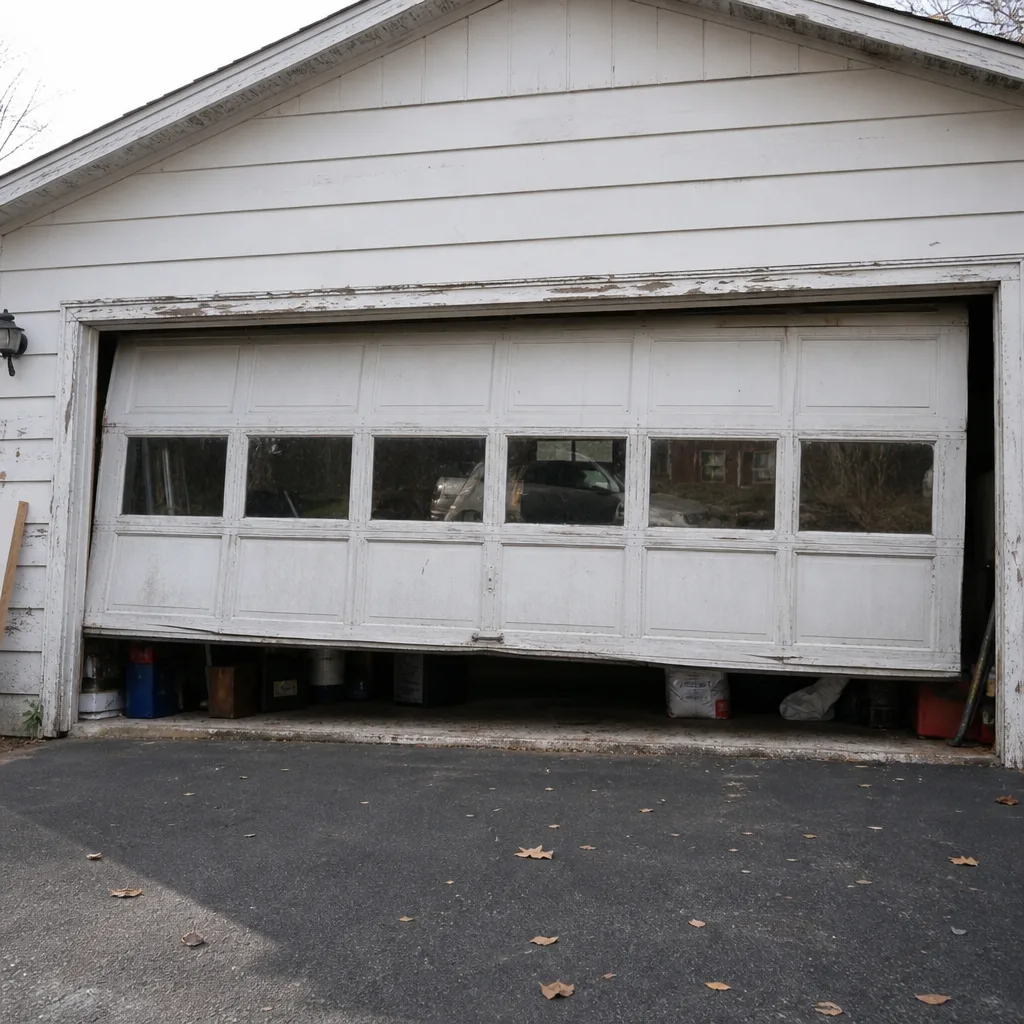 Before
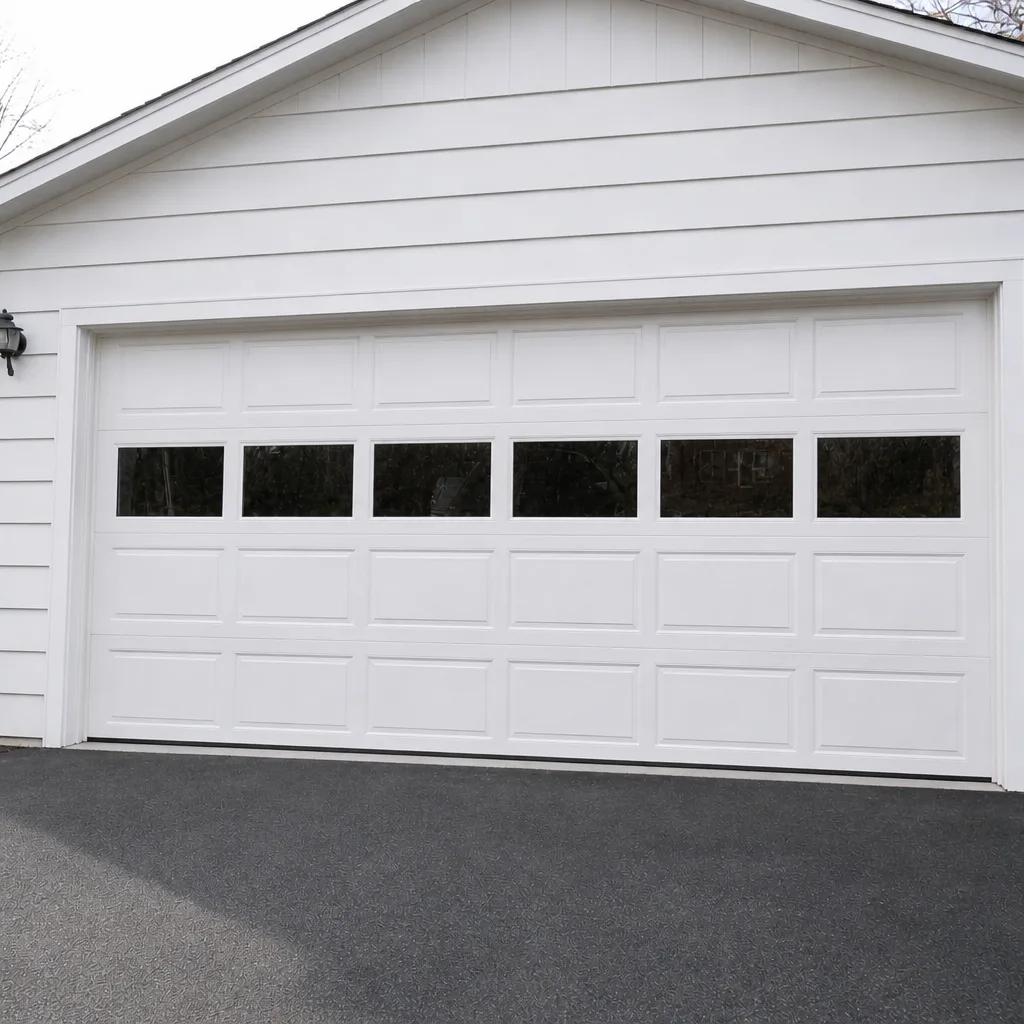 After
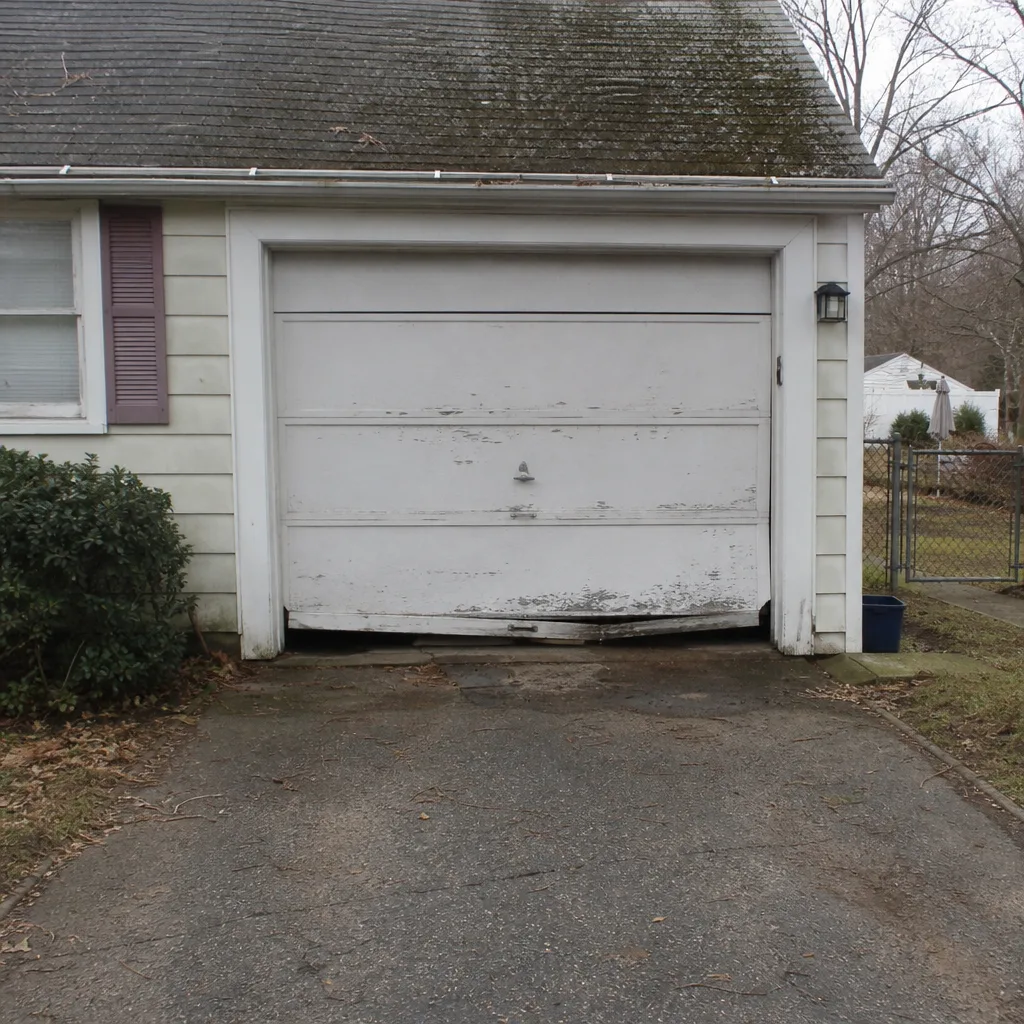 Before
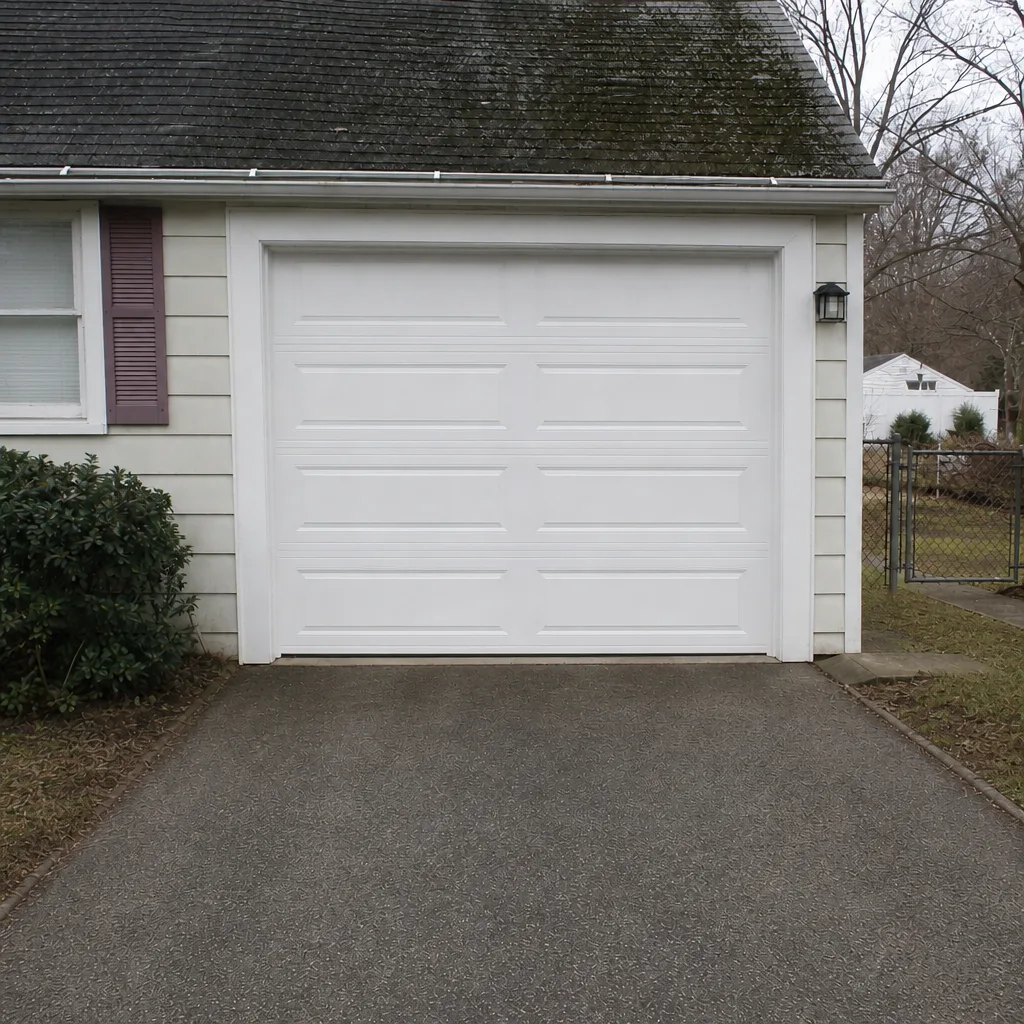 After
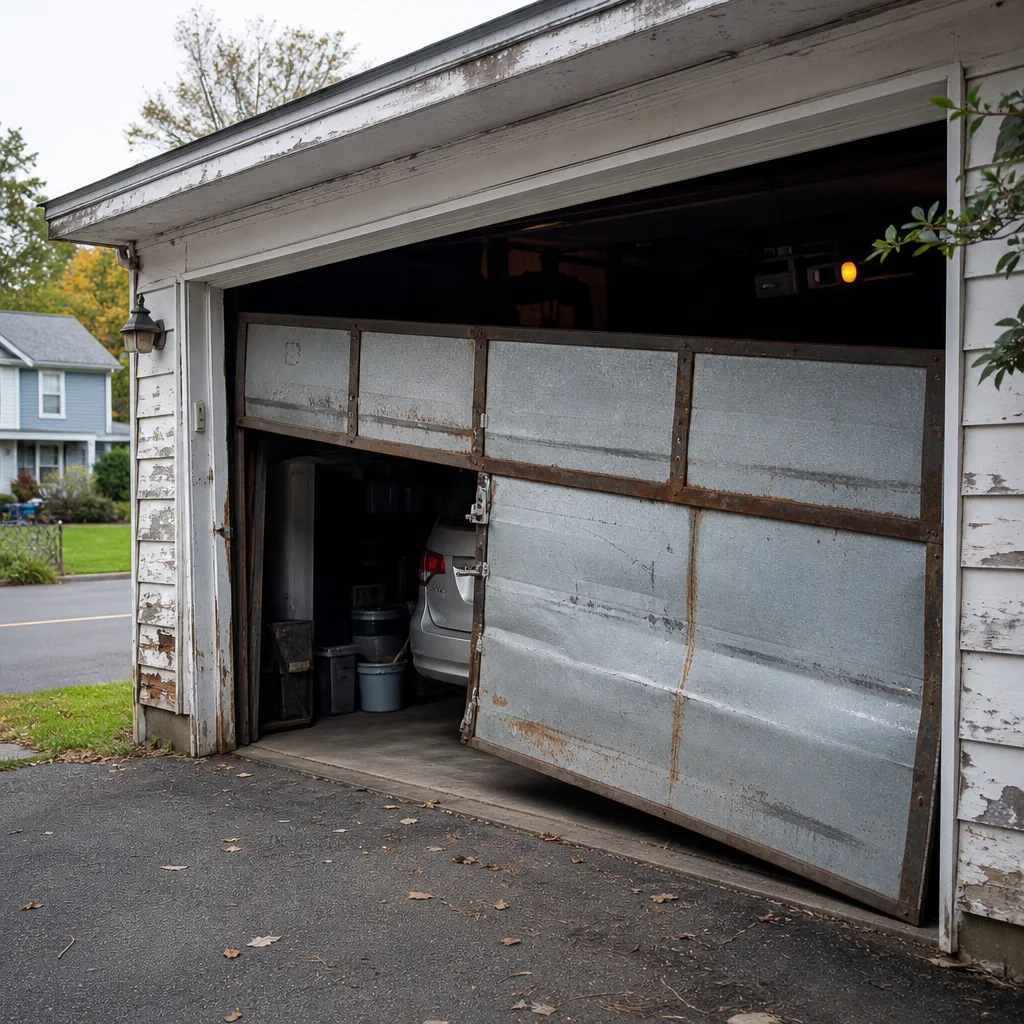 Before
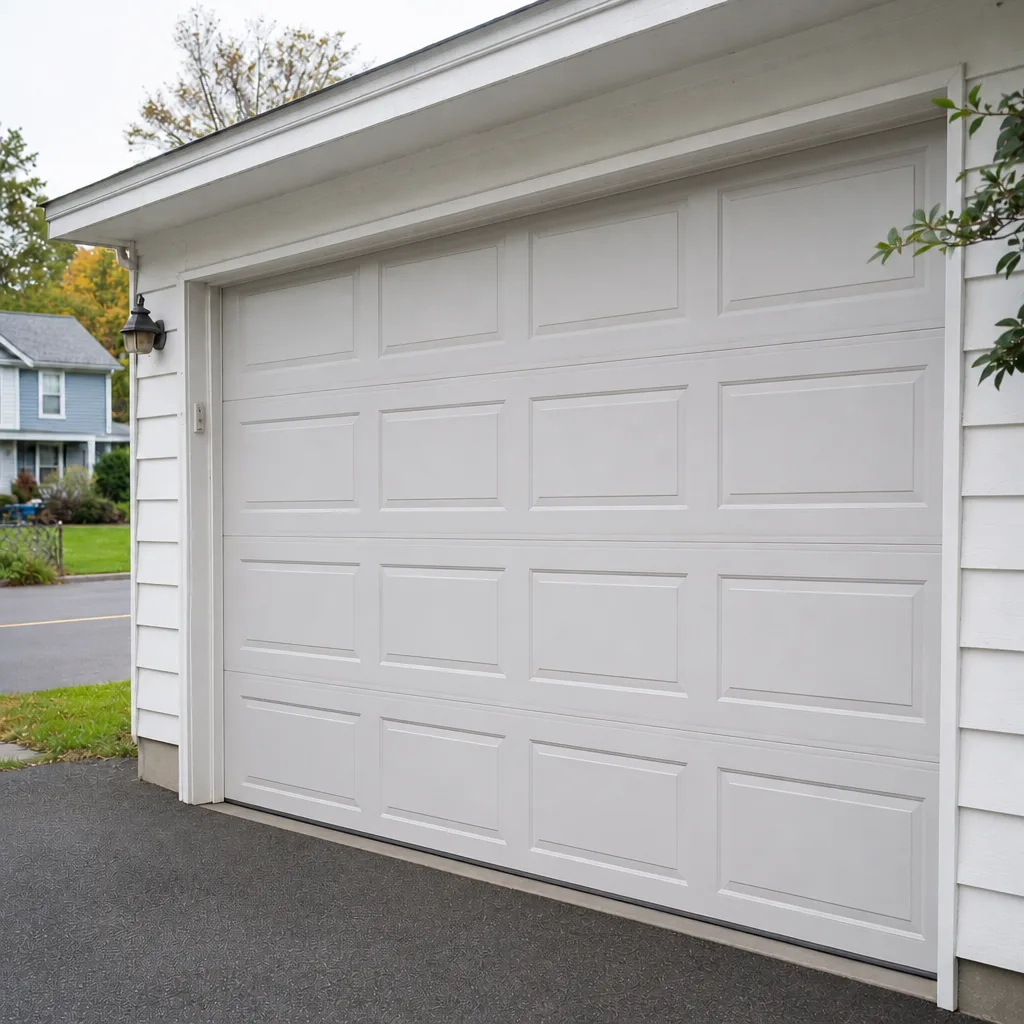 After
When to Call a Professional
Call a professional immediately if a spring is broken, if the door has come off its tracks, if a cable looks loose or frayed, or if the door hangs unevenly or won’t lift after a loud noise. Those situations involve stored force that isn’t safe for a homeowner to work around. Likewise, if you’ve attempted a repair and stopped partway, hand it to a technician rather than pushing through. Bristol Garage Door Repair Co offers free estimates in Bristol, and we’ll quote and agree on the price in writing before any work starts. We answer 24/7, and fast dispatch from 7am to 7pm gets a technician scheduled. Call (888) 794-8841. Our focus is on garage door repair, and garage doors are all we do.
Frequently Asked Questions
No. Torsion and extension springs store enormous force, and winding them without rated tools and training can cause serious injury. Even experienced DIYers shouldn’t attempt spring replacement, and in our experience the follow-up repairs from failed attempts cost far more than the original job. Call (888) 794-8841 for a free estimate; the price is agreed before work starts.
Spring replacement typically runs about $180-$340 for one spring, and because a matched pair is usually replaced together, a pair costs about twice that. The written estimate sets the final price, so there’s no surprise at the end. Call (888) 794-8841 for an exact quote; estimates are free.
Yes, for Opener replacement is genuinely manageable if you’re mechanically confident with ceiling mounting and low-voltage wiring, and you confirm the rail length and clearance first. The part that catches homeowners is the final travel and force tuning. If that feels uncertain, a technician can usually finish it quickly. Call (888) 794-8841 with your brand and model details.
The door may move, but the underlying spring issue stays, and the motor wears out faster. In our experience, a force adjustment on a door with a broken spring or unbalanced door creates strain that shows up later as an opener replacement. Call (888) 794-8841 and let a technician check the door rather than pushing it with force.
The local professionals we connect you with are licensed and insured as their state requires. We’ll confirm those details with you and give a written estimate before any work begins. If you’d like to verify the technicians before scheduling, just ask when you call (888) 794-8841.
No. The written estimate we give you is the price you pay, agreed before any work starts. Inspections sometimes reveal an additional issue, in which case we tell you what we found and re-quote before proceeding, never after the work is done. Call (888) 794-8841 for a free estimate in Bristol.
Clear the work area, note the symptoms and the opener brand, and check that the safety sensors are unobstructed before the technician arrives. That prep shortens the diagnosis and keeps the visit efficient. Call (888) 794-8841 to ask for a quote.
The Bottom Line
The decision between DIY and professional garage door work comes down to which component you’re touching. Maintenance, inspections, weather seals, and most opener swaps are genuinely within reach for a careful homeowner. Anything involving springs, cables, tracks, or a door that has come off balance belongs with a technician, because those parts store and release force that can cause serious injury. In Bristol, the climate adds urgency: cold snaps and humid summers both work on springs and hardware. Do the safe prep work, respect the tension system, and call when the job crosses that line. We answer 24/7, and Bristol Garage Door Repair Co is here when you need a trained set of hands.
Written by the team at Bristol Garage Door Repair Co.