
Last updated November 21, 2026
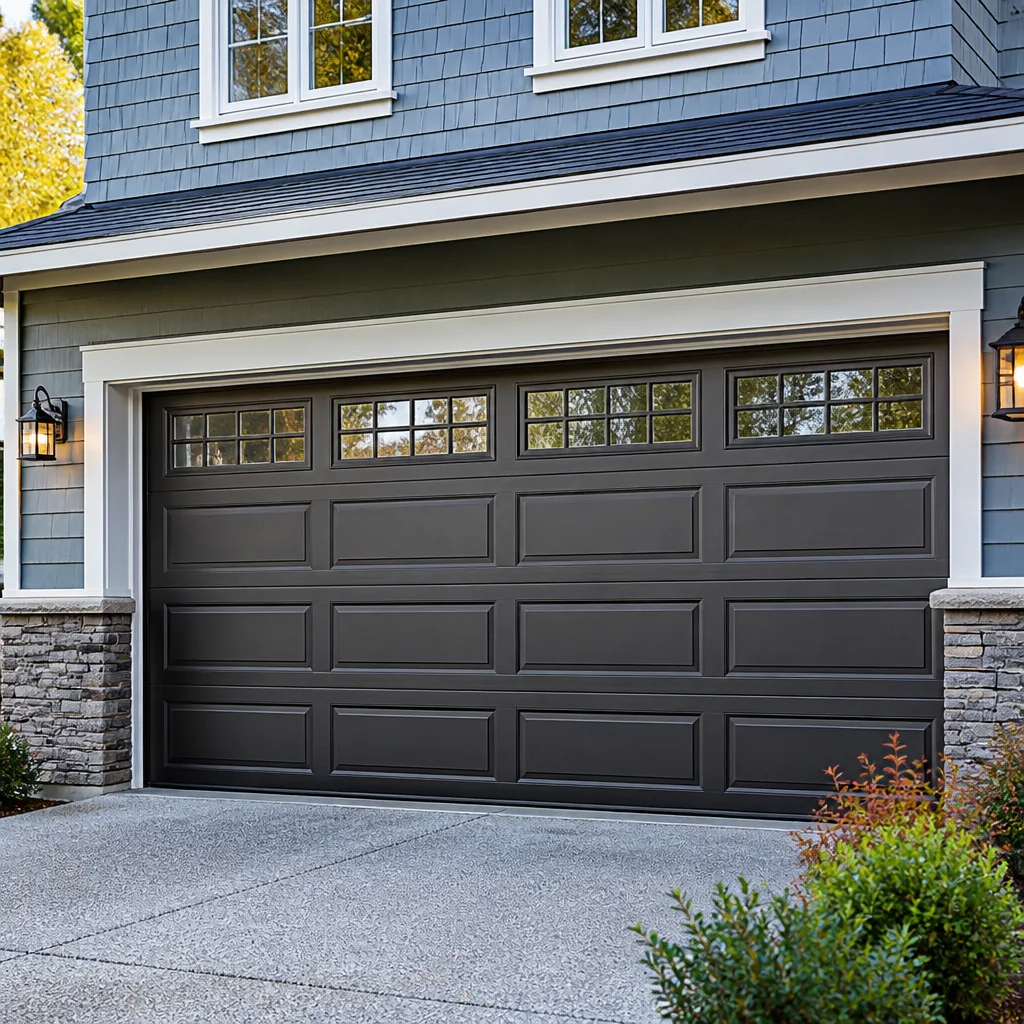 Raised-panel steel
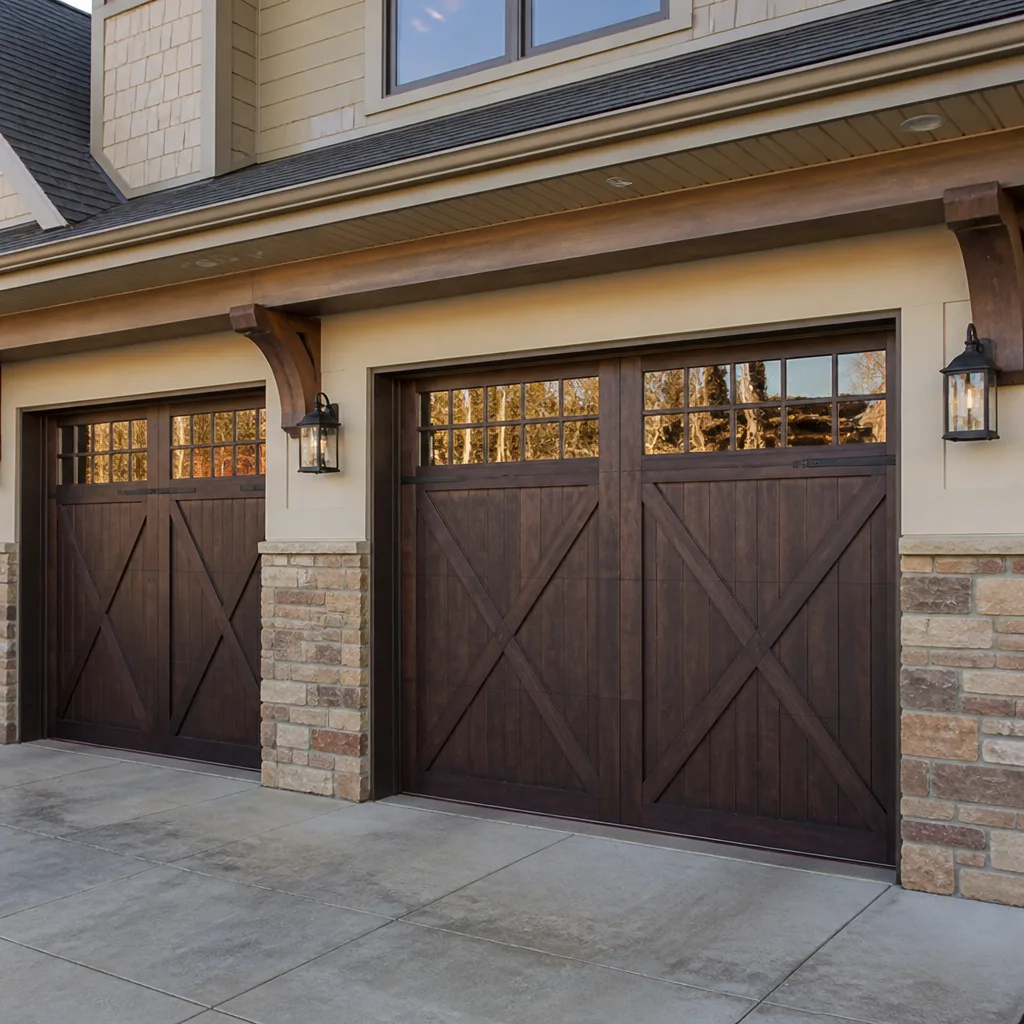 Carriage house
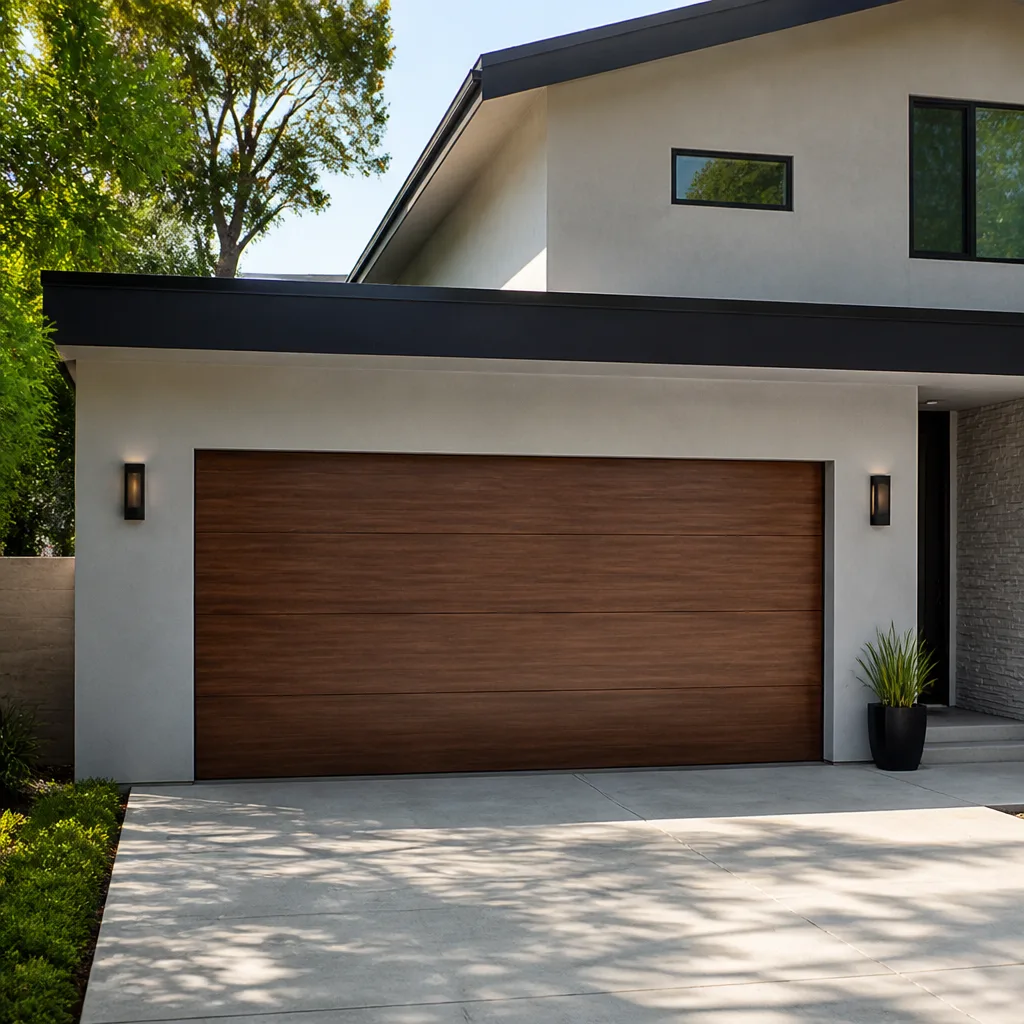 Modern flush
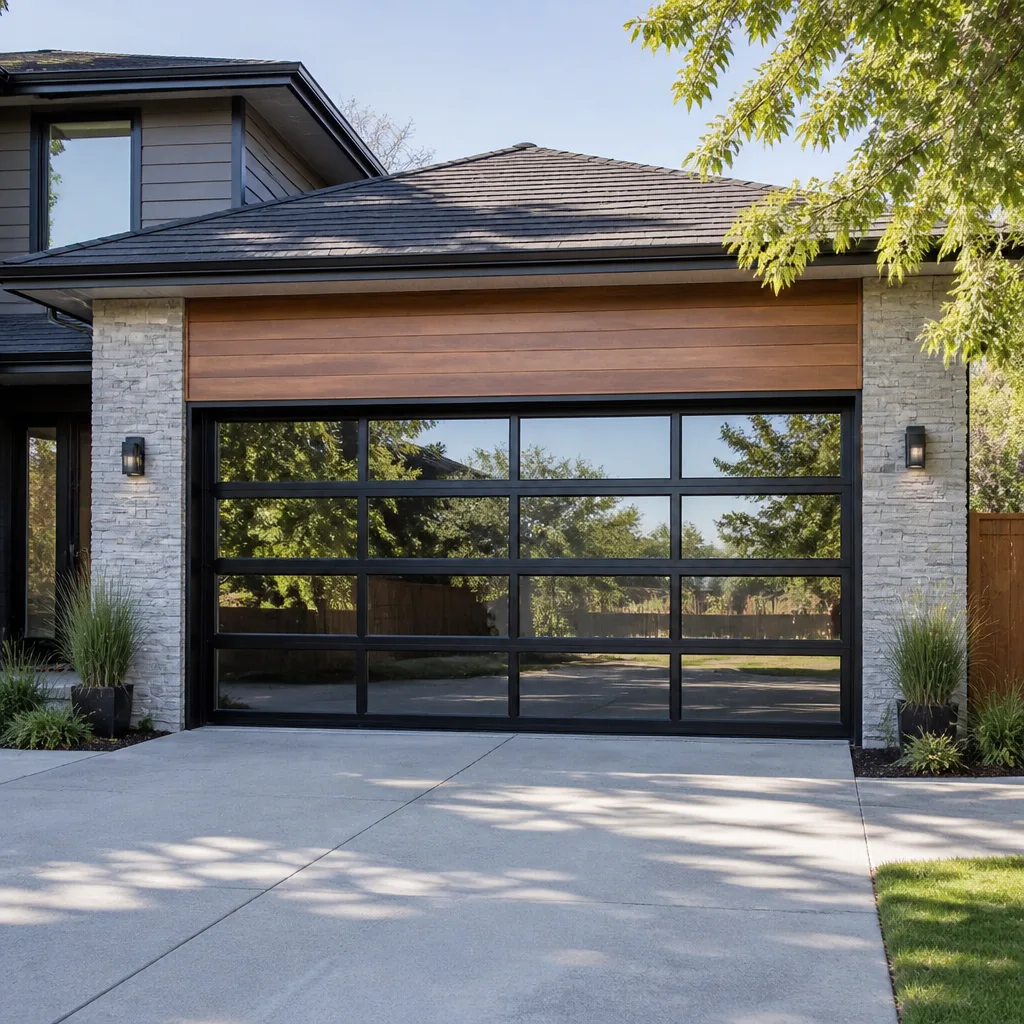 Full-view glass
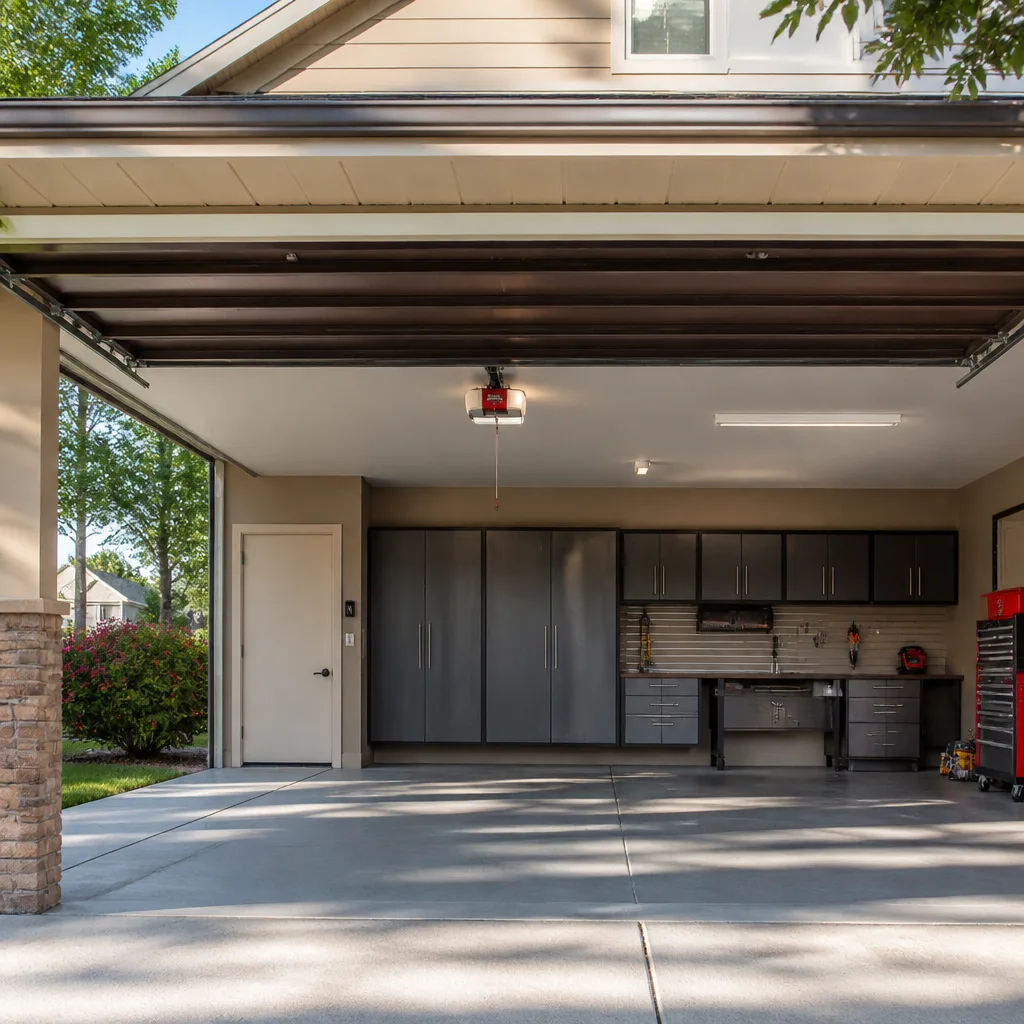 LiftMaster openers
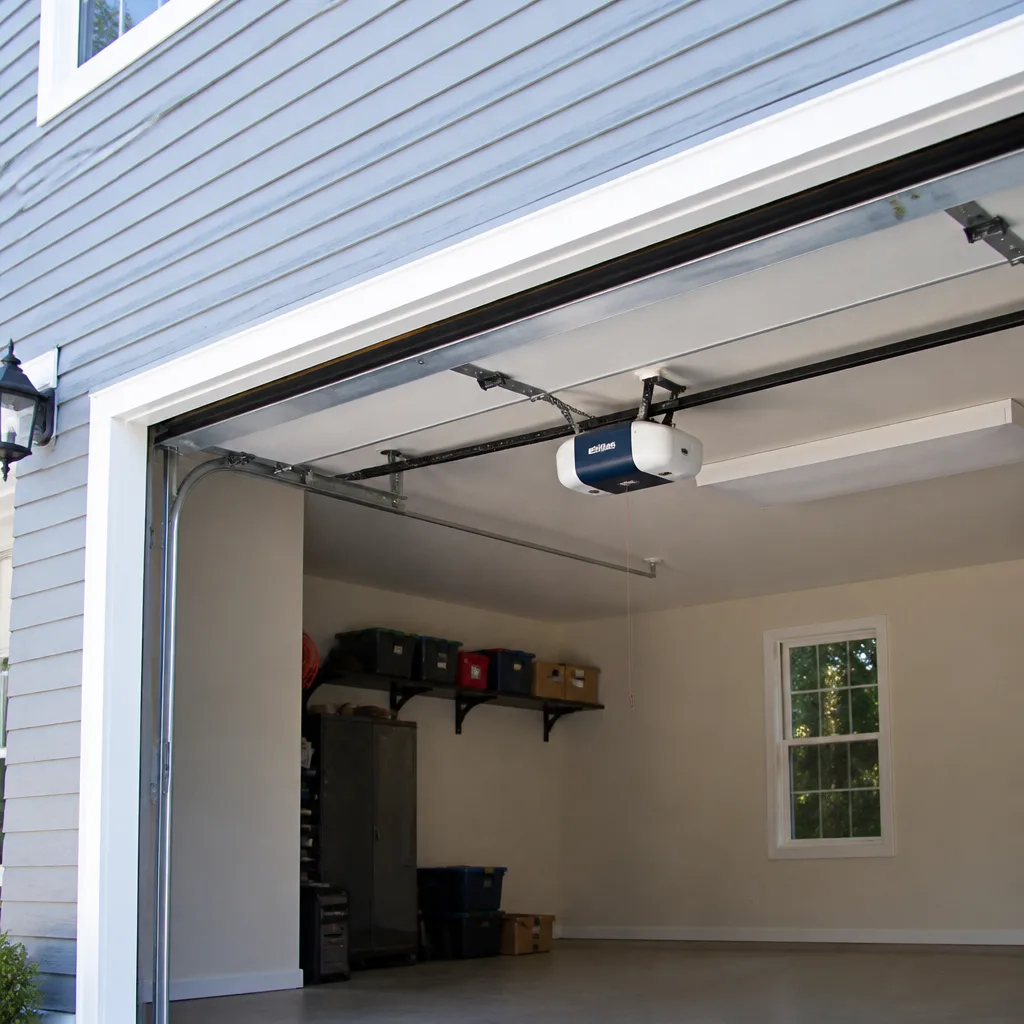 Chamberlain openers
Full 25-point door and opener safety check with every visit - springs, cables, rollers, tracks, and your LiftMaster or Chamberlain opener included
You get a price before we start. It does not change when the pro arrives.
Get your free estimateChoosing the Right Garage Door Brand: A Buyer’s Guide for Bristol
Two garage doors can carry the same R-value rating, look nearly identical on a showroom floor, and still sit $600 apart on the quote. The difference usually isn’t profit margin. It’s steel gauge, hinge and roller quality, insulation type, and whether the warranty attached to the door will actually pay out when a panel cracks five winters after installation. Most buyers compare color and price first, then discover the real trade-offs later. This guide breaks down what separates the leading brands sold in Bristol, how Connecticut weather stress-tests each one, which warranties hold up, and why the installer matters as much as the label on the door. By the end you’ll know what to look for before you sign.
Quick Answer
The best garage door brand for a Bristol home depends on your priority: Clopay and Amarr lead on insulation and panel options, Wayne Dalton offers strong value and clean sectional designs, and CHI is a solid choice for carriage-house styles and full-view aluminum. For openers, LiftMaster and Chamberlain dominate residential installs in Connecticut and parts are easy to source. Buy the door built for the weather, from a brand your installer knows how to service – not the one with the biggest ad in the Sunday circular.
Styles & brands we work with
- Raised-panel steel
- Carriage house
- Modern flush
- Full-view glass
- LiftMaster openers
- Chamberlain openers
Table of Contents
- Why Brand Matters More Than You Think
- Clopay vs. Amarr vs. Wayne Dalton vs. CHI
- Steel Gauge and Insulation: What Five Bristol Winters Reveal
- How to Read a Garage Door Warranty (and Spot the Exclusions)
- Stocked Locally vs. Ordered: What It Means for Repairs Later
- Why the Installer Matters as Much as the Brand
- Opener Brands in Bristol Homes
- How to Evaluate a Brand: A Step-by-Step Checklist
Why Brand Matters More Than You Think
Garage door brand is really shorthand for a set of decisions a manufacturer made about materials, tolerances and quality control. Two doors from different brands can be built to the same nominal R-value and still behave very differently after ten years of temperature swings, thousands of open and close cycles, and the occasional bind that comes from a home settling. Brand tells you what you’re likely to find when a technician takes the door apart, and whether a replacement panel will still exist on a shelf in 2032.
Brand also determines parts availability, and that is a practical concern that shows up in every Bristol garage door repair we handle. If your garage door has a proprietary hinge design or a discontinued opener logic board, a small malfunction can turn into a full replacement. The brands that stick around – LiftMaster, Chamberlain, Genie, Clopay, Amarr, Wayne Dalton, Craftsman, Raynor – tend to have common parts available years after the unit was installed. Off-brand imports are less predictable.
We work on all of these brands specifically, and we see how each holds up when a homeowner calls us because the door doesn’t close flush or the opener runs but nothing moves. That experience shapes the advice below. It’s not about which brand is objectively best. It’s about which brand fits your house, your climate, and how long you plan to stay.
Clopay vs. Amarr vs. Wayne Dalton vs. CHI
These four brands cover most residential installations in and around Bristol. Each has strengths that only show up when you read the specs, not the brochure.
- Clopay – One of the largest residential door manufacturers with the widest range of styles and insulation options. Their Intellicore polyurethane line is a strong pick for attached garages that share a wall with living space. Panels are usually available from regional distribution, and most Bristol-area installers can source replacements without a special order.
- Amarr – Solid value with a class-leading insulation lineup and a well-regarded powder-coat finish. Their steel-gauge specs hold up well against wind load, and the carriage-house styles are popular in Bristol’s older colonial-style neighborhoods. Panel availability is good, though less universal than Clopay.
- Wayne Dalton – Clean sectional designs and strong entry-level pricing. The Thermospan line offers excellent insulation for the price, and their torsion systems are widely serviceable. One trade-off: some Wayne Dalton proprietary opener models pair only with their own doors, so plan ahead if you’re adding or replacing the opener later.
- CHI – A preferred brand for carriage-house styles and full-view aluminum. Their aluminum frames and glass-panel options give a premium look at a mid-market price. Steel options are solid, though the brand has less universal parts distribution in Connecticut than Clopay or Amarr.
None of these brands is a bad choice. The right one depends on insulation needs, style preference, and how easily you can get replacement parts in your area. Our garage door repair technicians can source components for every brand listed here.
Steel Gauge and Insulation: What Five Bristol Winters Reveal
R-value is the number printed on every spec sheet, but it’s the least interesting number once the door is on the house. Steel gauge and insulation type are what determine how the door performs after five or ten winters of freeze-thaw cycles and summer heat. Bristol’s climate runs a full seasonal range – cold, wet winters, humid summers, and enough temperature swing to work on any mechanical system. Here’s what that does to doors.
Steel gauge matters more than the marketing layer
Most residential doors use 24-gauge, 25-gauge, or 27-gauge steel. Lower gauge means thicker steel. A 24-gauge door will hold its shape better than a 27-gauge door under the same wind load, and it’s less prone to dents from lawn equipment, basketballs, and bicycles. Builders-grade doors often use thinner steel to hit a price point. After five Bristol winters with doors expanding and contracting, thinner panels show oil-canning first – that wavy look that never goes away.
Polyurethane vs. polystyrene insulation
Two doors can both say “insulated” and still perform differently.
- Polystyrene – Expanded foam panels inserted into the door’s cavities. Cheaper, lighter, and a reasonable choice for a detached or unheated garage. Over time the panels can loosen and rattle.
- Polyurethane – Foam injected between the steel skins and bonded to them. Higher R-value, noticeably quieter, and structurally stiffer because the foam becomes part of the door. This is what we recommend for attached garages in Bristol where the door shares a wall with living space.
The practical difference after five winters shows up in noise and how well the door holds an edge seal against snow and cold drafts. A polyurethane door with a quality bottom seal tends to stay weathertight longer. Polystyrene doors usually need seal replacements sooner.
How to Read a Garage Door Warranty (and Spot the Exclusions)
Most residential garage door warranties sound generous until you read the fine print. The exclusions are where the value actually lives. Here’s how to read one before you buy.
- Check the covered years by component. A “lifetime” warranty rarely covers everything for life. Sections may be covered for life, hardware for 3 to 5 years, springs for 1 to 3, and finish for 5 to 10. Springs usually have the shortest window, and springs are the most likely component to fail.
- Look for a pro-rata clause. Some warranties cover only a percentage of the replacement cost in later years. A “lifetime” spring that’s covered 40% in year six still costs you 60% of the part.
- Read the labor exclusion. Most manufacturer warranties cover parts, not labor. If a hinge fails at year four, you may not pay for the hinge but you will pay for the trip and the install time.
- Check installation requirements. Many warranties are void if the door was installed by an unlicensed installer or in a way that doesn’t match the manufacturer’s instruction manual. This is why installer choice matters as much as brand choice.
- Watch for improper maintenance voids. Some warranties require documented lubrication or inspection. Residential warranties rarely enforce this strictly, but the exclusion is on the paper.
- Note the “normal wear” language. Nearly all warranties exclude normal wear, and nearly everything that fails on a garage door is defined as normal wear by the fine print.
In our experience, the strongest guarantees come from brands that pair their section warranty with a real parts distribution network. A warranty that pays out only if the part is available is worth less than a warranty where the part is on a truck this week. If you need a spring replaced outside warranty, our garage door spring repair team handles those brands daily.
Stocked Locally vs. Ordered: What It Means for Repairs Later
The single biggest hidden cost in garage door ownership is the wait for a part. A door that’s stocked regionally can usually be repaired within days. A door that needs a custom-order section can take weeks, and some discontinued imports never get repaired at all – they get replaced. That’s a difference in cost that never shows up on the initial quote.
In the Bristol market, the practical picture breaks down roughly like this:
- Commonly stocked or quick to source: Clopay, Amarr, LiftMaster, Chamberlain, Genie, Craftsman. Panels, hinges, rollers, springs, and opener logic boards are usually easy to find from regional distribution.
- Quick to source, more limited in style options: Wayne Dalton. Standard sizes ship fast, but proprietary opener-door pairings can complicate service calls.
- Ordered, with regional availability: CHI. Aluminum and full-view styles are often built to order, so replacement panels take longer and cost more when they arrive.
- Often ordered with limited local distribution: Raynor. Solid commercial-grade hardware, but residential parts are less plentiful at the local counter.
The lesson: ask the installer how easily they can get a replacement panel in three years. A brand is only as good as the parts pipeline behind it. Many homeowners in Bristol have called us because a door was fine but the part was not.
What “stocked” actually means for you
Even when a brand is stocked regionally, the specific panel or spring size you need may still be special-order. Springs are matched to the door weight, not to the brand, so a spring replacement usually happens on the first visit regardless of brand. Hinges, rollers, and cables cross-reference more easily than sections. Panels are where brand choice really shows up.
Why the Installer Matters as Much as the Brand
Brand is the material. Installer is the execution. We’ve seen doors from the best manufacturers misperform because the torsion spring was wound to the wrong tension, the track was set out of plumb, or the door wasn’t balanced before the opener was attached. A cheap door installed correctly can outlast an expensive door installed poorly. That isn’t a marketing line – it’s how the mechanism works.
What a proper install does:
- Measures the opening accurately. Small errors in width, height or plumb create binding that shows up as noise, uneven travel and premature wear on springs and rollers.
- Sets the track plumb and level. Out-of-plumb tracks pull the door sideways and put extra stress on every moving part. A poorly set track can fail a spring within a year.
- Balances the door by hand before attaching the opener. An unbalanced door will run, but the opener compensates for the imbalance and burns out faster. That’s an opener replacement in two years.
- Sets spring tension correctly. This is the most safety-sensitive part of the job, and the one most often done wrong by generalists. Springs are wound under extreme tension. An incorrect or rushed winding can fail catastrophically and injure anyone nearby. If you ever hear a tech say they’ll “wing it” on spring tension, walk away.
- Seals and finishes the install. Proper weather seal, bottom seal contact, and paint touch-up determine how the door looks and performs through Bristol’s winters.
Single-trade installers do this every day. Generalist contractors installing doors between siding jobs often don’t. Our garage door opener repair calls frequently trace back to opener strain caused by an unbalanced install, not an opener defect.
Opener Brands in Bristol Homes
Most openers in Bristol homes are one of four brands: LiftMaster, Chamberlain, Genie, or Craftsman. Craftsman units are often manufactured for the Craftsman label but share serviceable internal components with the Chamberlain family, so a technician familiar with one is comfortable with the other. LiftMaster and Chamberlain sit in the same product family. Genie covers a distinct line with its own parts, and has held the lower-price end of the market for years.
What this means for you:
- LiftMaster – Strong residential reputation, widely serviced, smart features often integrated natively. Belt-drive and chain-drive options both common.
- Chamberlain – Nearly interchangeable service pathway with LiftMaster. Popular do-it-yourself line, which means plenty of homeowners are mid-project when they call us.
- Genie – Reliable mid-market openers, common in Bristol’s tract-built neighborhoods. Parts availability is solid.
- Craftsman – Often Chamberlain-sourced internals. Aging units can develop logic-board failures that are usually repairable, sometimes replaced depending on part cost.
If you’re choosing an opener brand to install, the strongest practical choice for most Bristol homes is the one your technician can service without waiting on parts. That’s usually LiftMaster or Chamberlain. If your home already has a Genie or Craftsman and it’s working, there’s no reason to switch it just to match brands with a new door.
How to Evaluate a Brand: A Step-by-Step Checklist
If you’re comparing garage door brands before you buy, run through this list with the installer. It’s the same set of questions we ask before recommending a brand to a homeowner in Bristol.
- Confirm the steel gauge. Ask what gauge the door is built from. If the installer can’t tell you, that’s a red flag. 24- or 25-gauge steel is the practical floor for a residential door in this climate.
- Confirm insulation type. Polyurethane for attached garages, polystyrene is workable for detached. If the installer calls both “insulated” without distinction, ask again.
- Read the warranty section by section. Focus on spring coverage years, labor exclusions, and pro-rata language. Also ask how easily the installer can source a replacement panel.
- Ask about parts availability. “If I need a replacement hinge, roller, or panel in three years, where does it come from?” The answer tells you more about the brand than the brochure does.
- Ask about the opener pairing. Some doors work better paired with certain openers. Confirm the opener brand the installer recommends and check that parts are serviceable locally.
- Confirm installer experience with this brand. A technician who’s installed 30 of the same brand will run a cleaner install than one learning the system on your door.
- Get the price in writing before work starts. The written estimate is the price. No verbal-only agreements, no “we’ll see what it comes to.”
Our technicians have up to 15 years of experience across LiftMaster, Chamberlain, Genie, Clopay, Amarr, Wayne Dalton, Craftsman and Raynor, so we can answer these questions honestly for any of them.
Common Mistakes to Avoid
- Buying on R-value alone. Two doors can have the same R-value and differ by $600 on steel gauge and insulation type. Ask what’s actually inside the panel, not just what the sticker says.
- Ignoring the opener when replacing the door. An older opener may not be rated to lift a heavier insulated door. Pairing a weak opener with a stout new door leads to premature opener failure in Bristol’s temperature swings.
- Choosing a brand based on a single low quote. A quote that’s several hundred less than every other bid is usually several hundred less in steel gauge, hardware quality, or installation time. It’s not a better deal.
- Assuming a “lifetime” warranty covers labor. Most manufacturer warranties cover parts only, and often with age-based pro-rata reductions. Read the exclusions before you’re comforted by the headline.
- Skipping the installer question. Brand quality can’t compensate for a bad install. Ask who will actually set the track, balance the door and wind the springs – and whether that’s the same company that sells the door.
- Choosing a discontinued or import brand for a low price. If the brand doesn’t have a regional parts pipeline, a small repair can turn into a full replacement because the part can’t be sourced.
- Not checking the bottom-seal fit on day one. A sealed door that leaks cold air or lets snowmelt in will cost more in heating and water damage than the seal costs to replace. Check it before the installer leaves.
See the difference
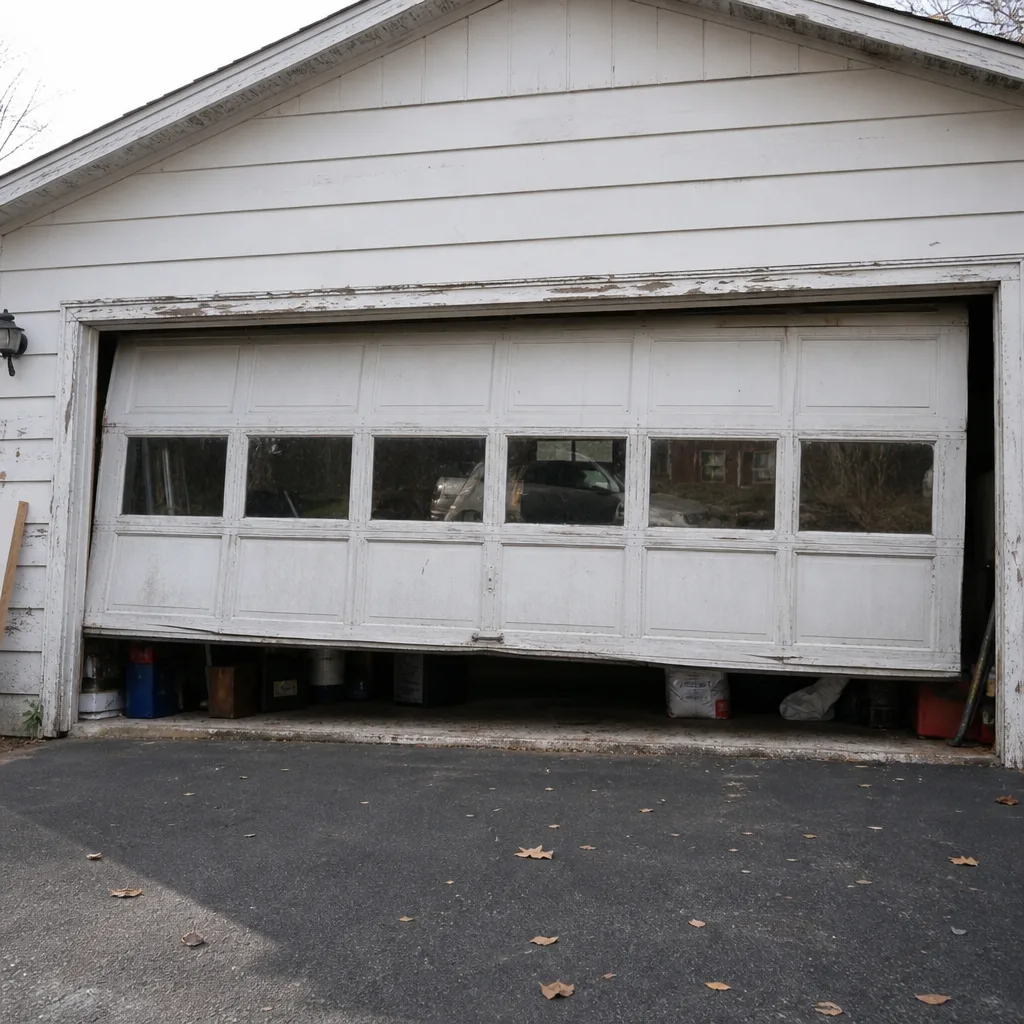 Before
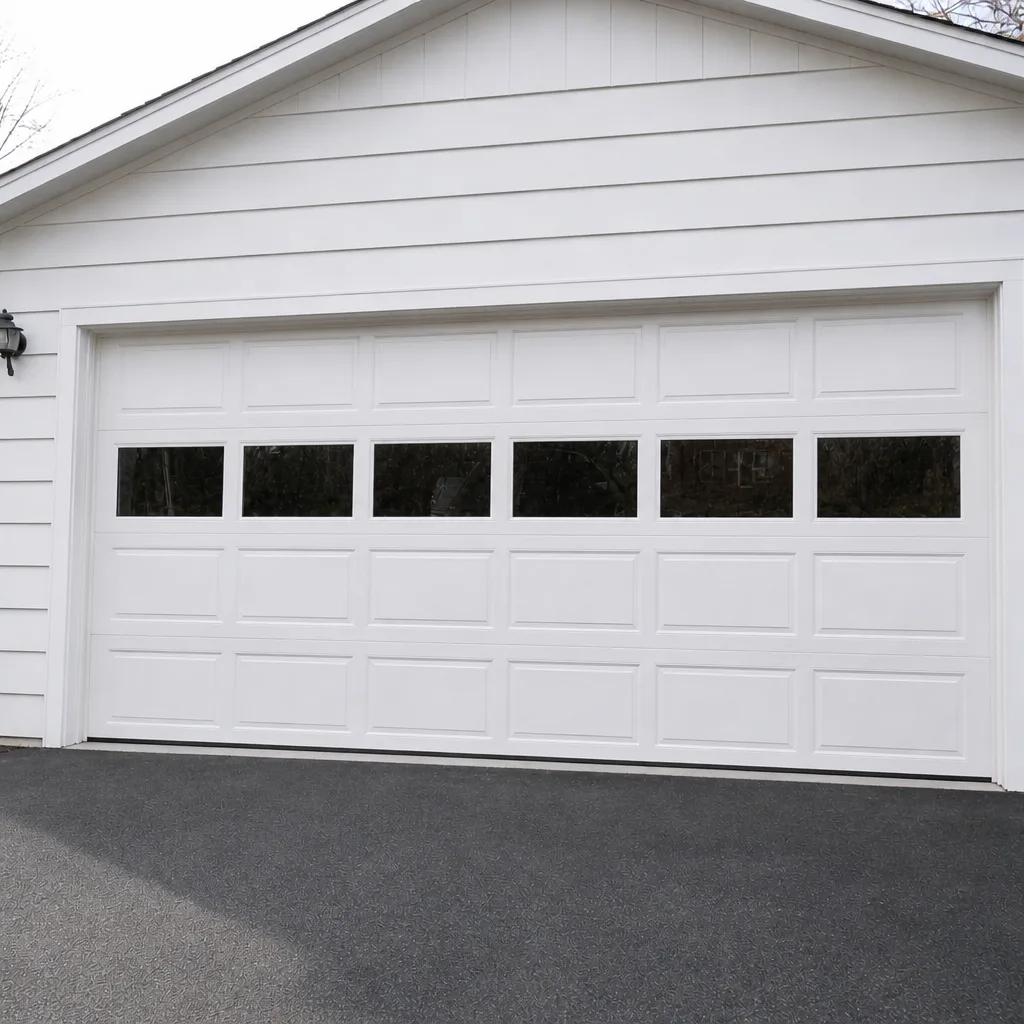 After
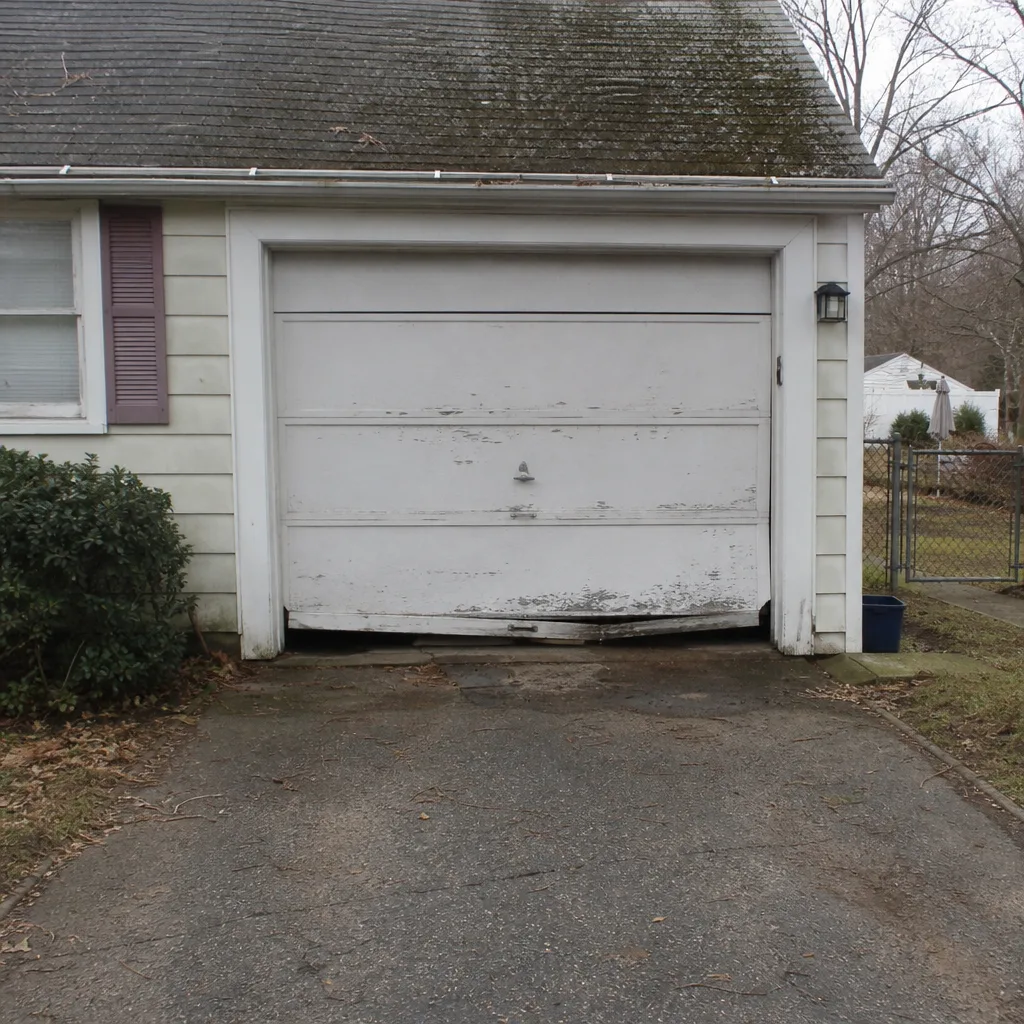 Before
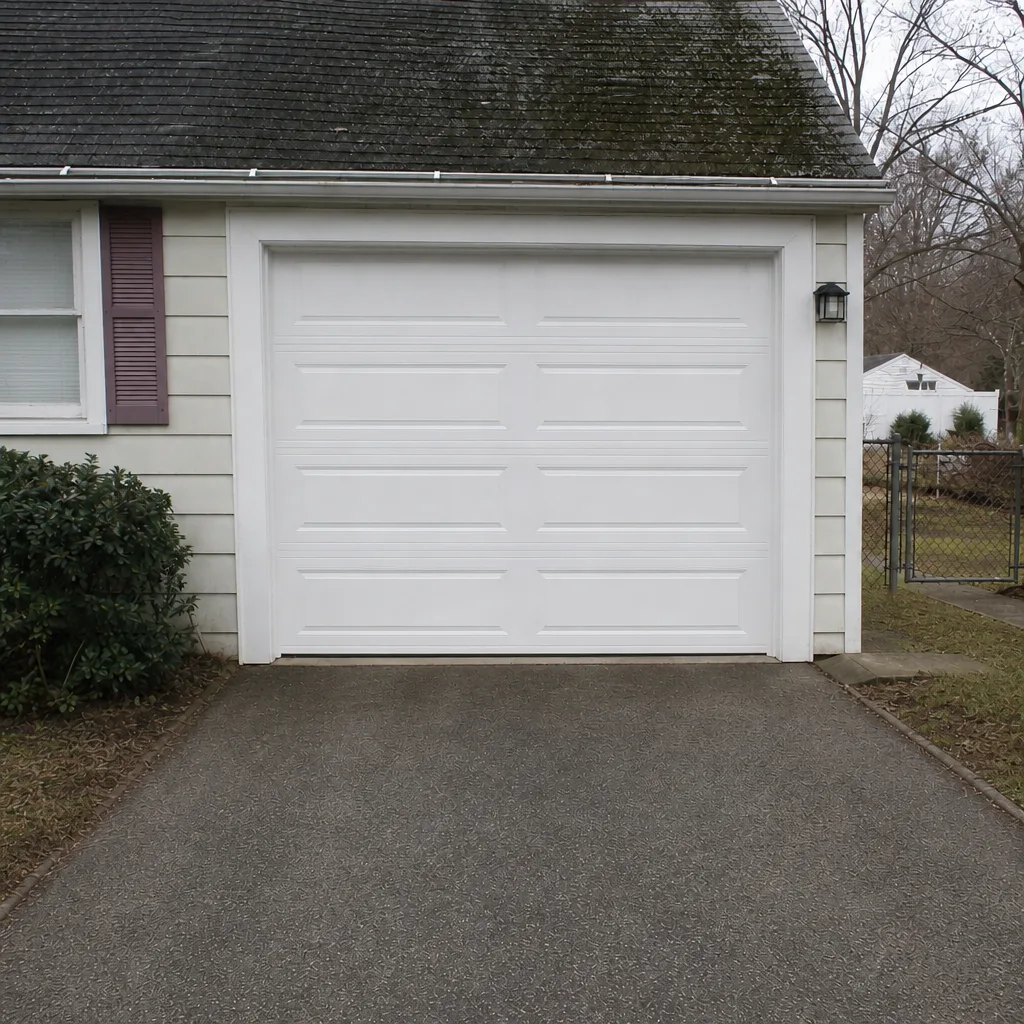 After
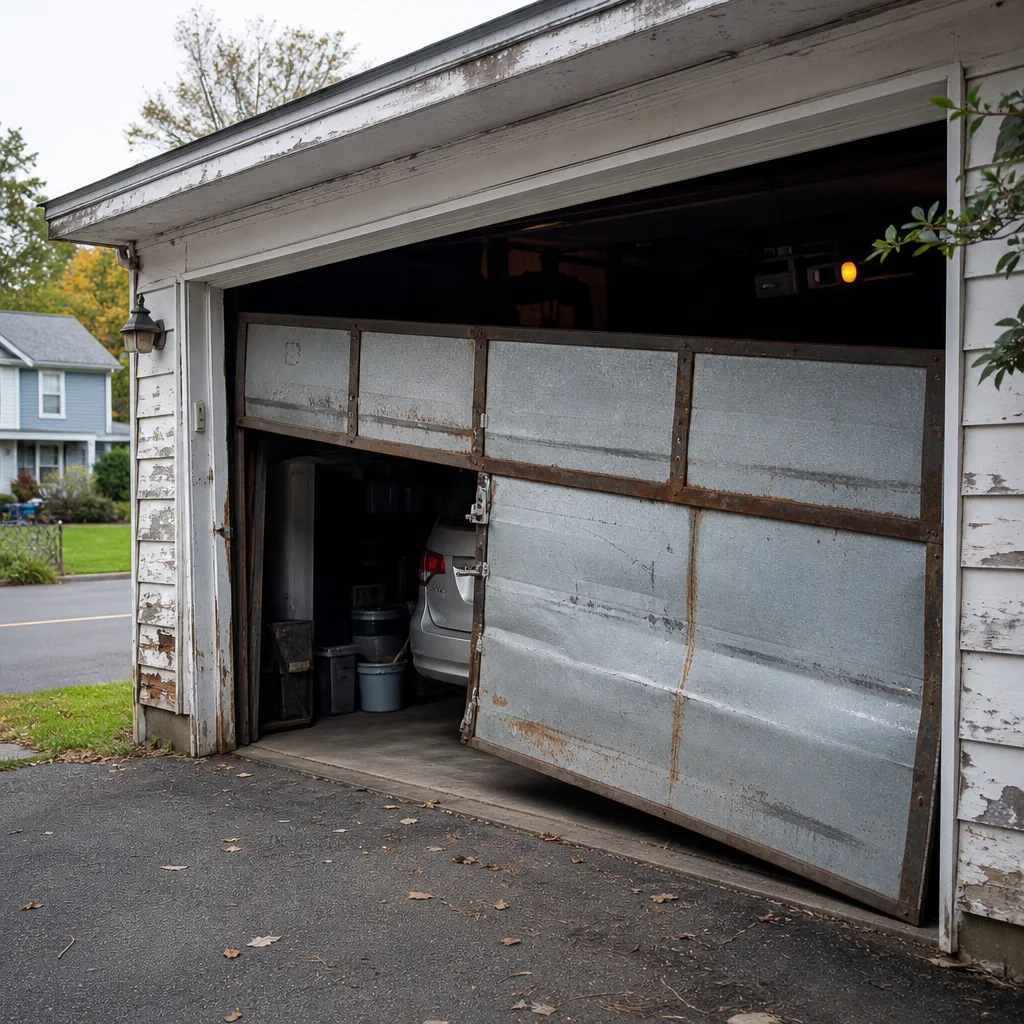 Before
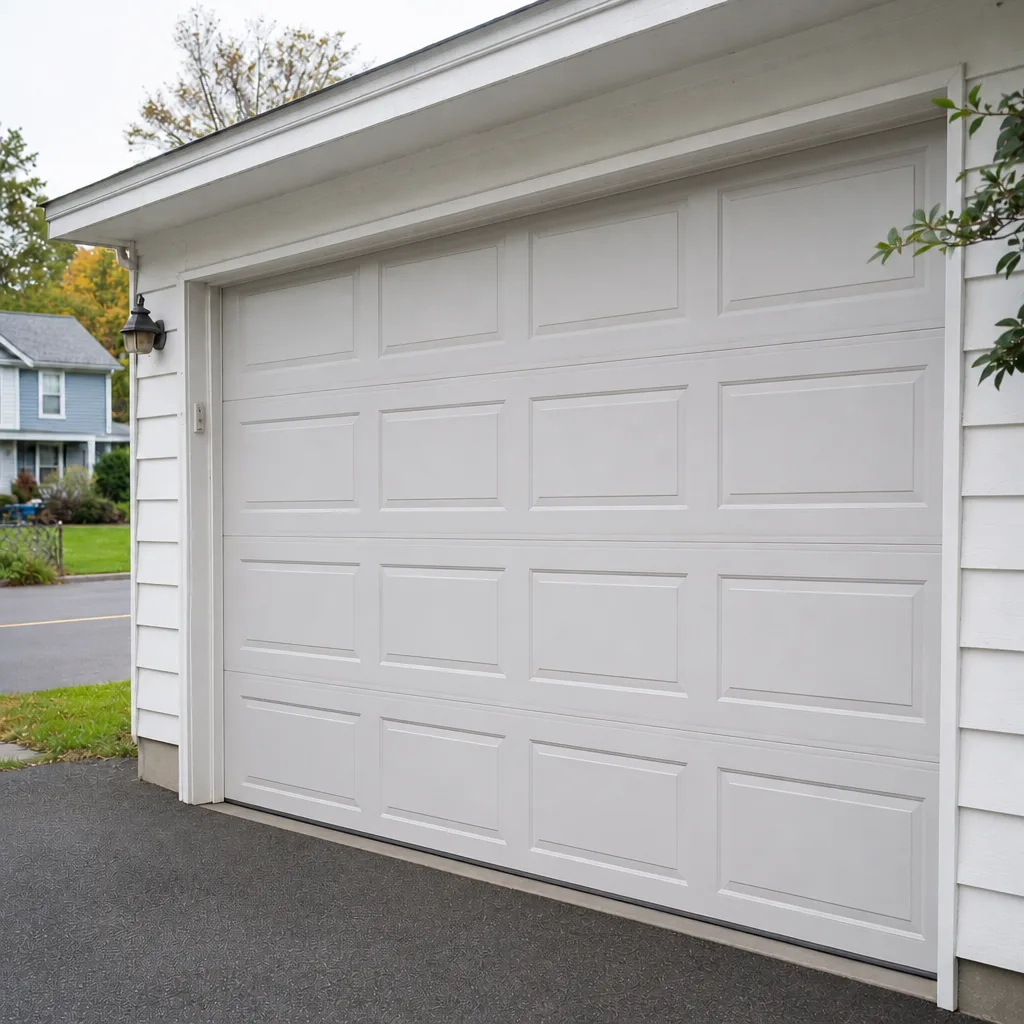 After
When to Call a Professional
If your door won’t open, won’t close flush, or the spring has snapped, that’s a call now, not a project for later. Spring failure is the most dangerous thing that can happen to a garage door, and it’s also the most likely to cause injury if you try to work around it. We answer 24/7. Fast dispatch from 7am to 7pm, Sunday through Friday.
Brand guidance becomes a professional question when you’re close to the end of your door’s life and trying to decide between repair and replacement, when you’re not sure the brand you’re considering is stocked for your area, or when a quote sounds too good and you want a second opinion on what’s included. We can work with your insurer on a claim if damage has occurred. Bristol Garage Door Repair Co offers free estimates in Bristol. Call (888) 794-8841 to set up a visit.
Frequently Asked Questions
There isn’t a single best brand – it depends on insulation needs, style and how close your installer is to a parts pipeline. For most homes in Bristol, Clopay and Amarr are strong starting points for insulated steel doors, Wayne Dalton is solid value for standard designs, and CHI is the choice for carriage-house and full-view styles. For attached garages in this climate, polyurethane insulation from any of these brands beats a higher-priced door with polystyrene. Call (888) 794-8841 for an exact quote on a specific door – estimates are free.
Clopay, Amarr, LiftMaster, Chamberlain, Genie and Craftsman parts are usually quick to source from regional distribution. CHI and Raynor residential parts tend to be ordered, especially for aluminum or custom styles, so replacement panels can take longer. The practical lesson: ask how easily the installer can get a panel in three years before you commit. That answer matters more than the color options. Call (888) 794-8841 and we’ll talk through the actual timeline for your door.
Yes. Bristol’s freeze-thaw cycles and humid summers stress steel panels more than a mild climate would. A 24- or 25-gauge steel door holds its shape better and resists oil-canning (that permanent wavy look) than a 27-gauge builders-grade door. If the installer can’t tell you the gauge, ask them to find out before you sign. Call (888) 794-8841 for a free estimate that walks through the specs, not just the price.
Most residential warranties are written to cover parts, not labor, with age-based pro-rata reductions on the most commonly failed components. Springs, which fail most often, usually have the shortest coverage. Read the covered-years-by-component section and the labor exclusion before you buy. A warranty from a brand with a real parts pipeline is worth more than a longer one from a brand with limited distribution. Call (888) 794-8841 to talk through what a given warranty will actually cover.
Yes, sometimes more. A poorly installed premium door – out-of-plumb track, incorrect spring tension, unbalanced door before the opener is attached – will fail sooner than a budget door installed correctly. When you’re comparing quotes, ask who’s setting the track and winding the springs, and whether that’s the same company that sold you the door. We work on all eight major brands we service. Call (888) 794-8841 for a free estimate.
Sometimes. It depends on the opener’s lift rating versus the new door’s weight. A heavier insulated door may exceed what an older opener was built to lift, and forcing it shortens the opener’s life. If your opener is past its expected service life, plan to replace both at the same time. If it’s recent, we’ll check whether it’s rated for the new door. We answer 24/7. Fast dispatch from 7am to 7pm, Sunday through Friday.
The Bottom Line
Brand loyalty in garage doors is usually marketing loyalty. What actually separates one door from another is steel gauge, insulation type, parts availability and installer skill. Clopay and Amarr lead on insulation and parts distribution for Bristol homes; Wayne Dalton is strong value; CHI is the pick for carriage-house and full-view styles; LiftMaster and Chamberlain dominate openers. But none of that matters if the install is sloppy or the warranty excludes what’s likely to fail. Ask the right questions before you sign, get a written estimate before any work starts, and treat the installer as part of the brand choice. That’s the difference between a door that performs for twenty years and one that needs replacement in five.
Get a Free Estimate in Bristol
Whether you’re weighing a repair versus replacement, comparing Clopay to Amarr, or confirming which opener pairs with your new door, we can help. We work on all eight major brands, and garage doors are all we do. Bristol Garage Door Repair Co offers free estimates in Bristol. Call (888) 794-8841. We answer 24/7. Fast dispatch from 7am to 7pm, Sunday through Friday.
Written by the team at Bristol Garage Door Repair Co.