
Last updated November 21, 2026
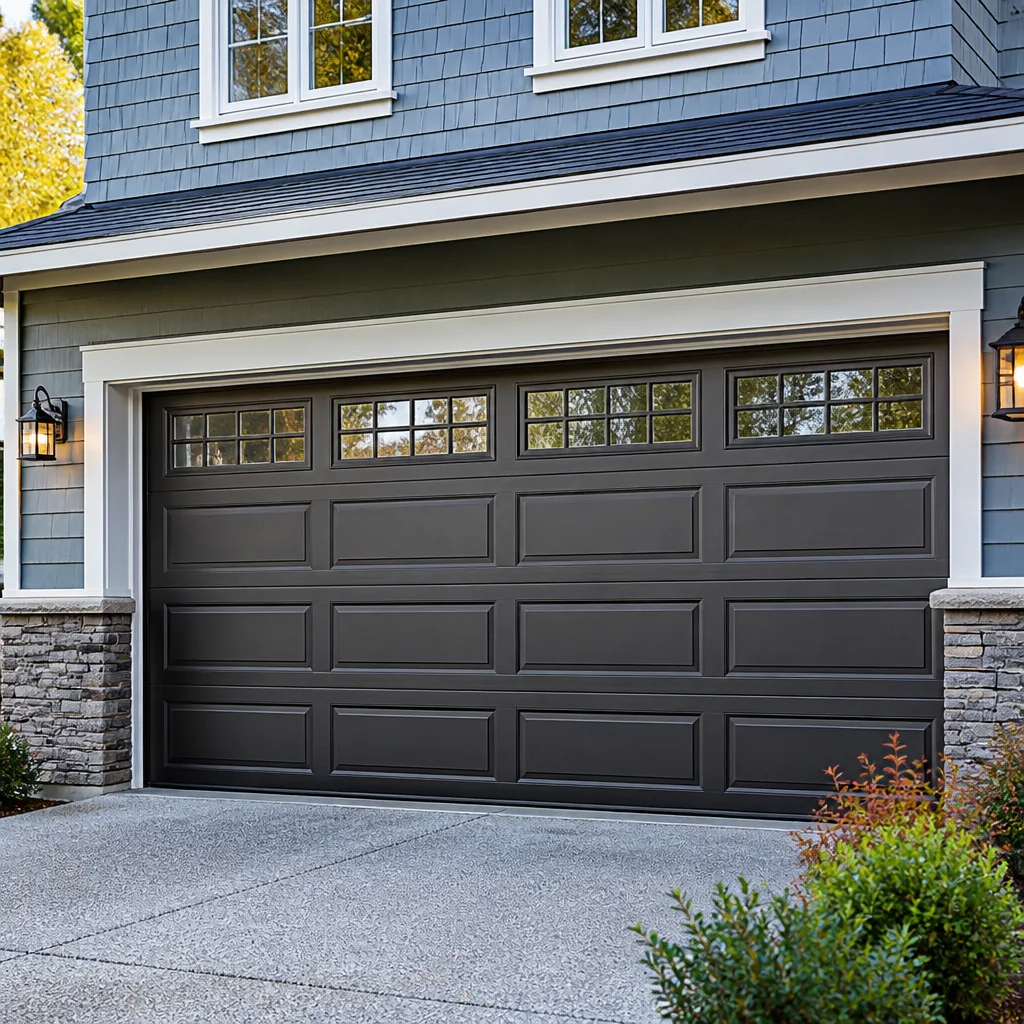 Raised-panel steel
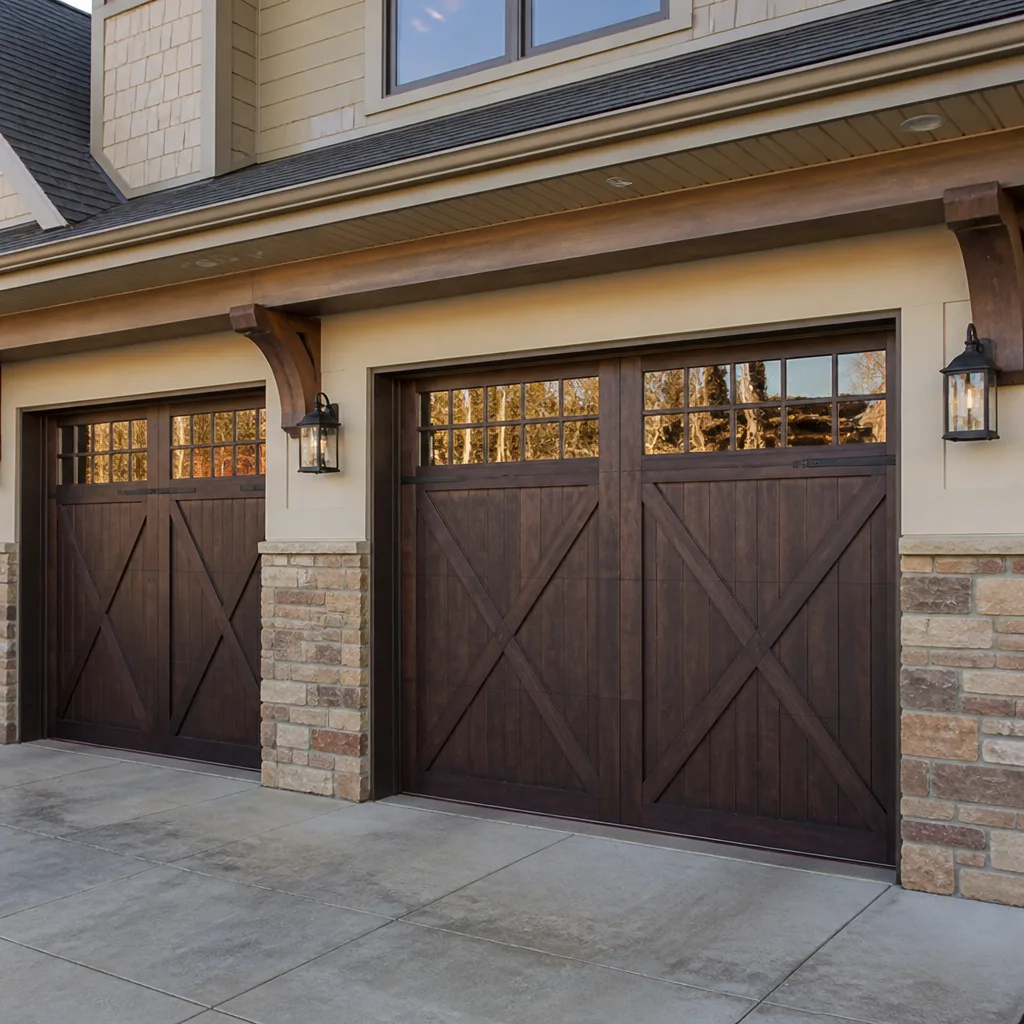 Carriage house
 Modern flush
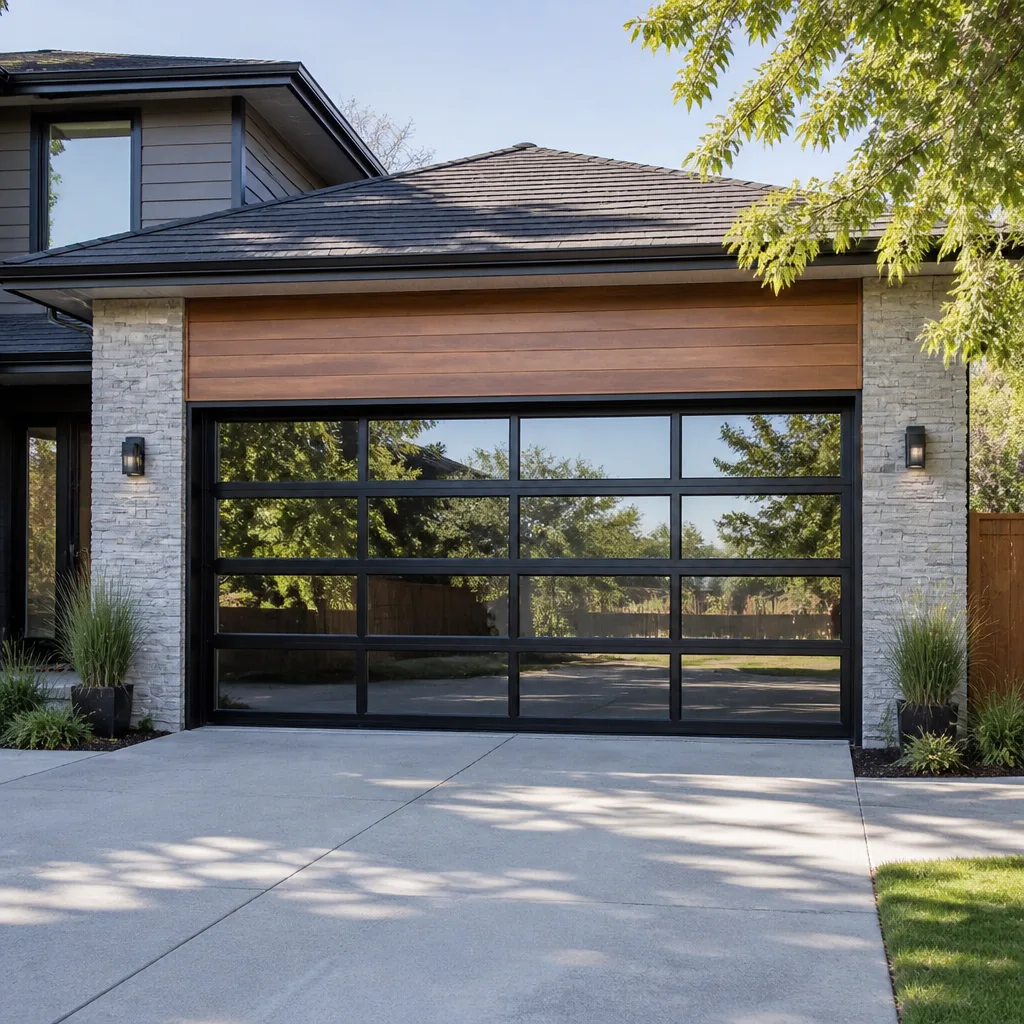 Full-view glass
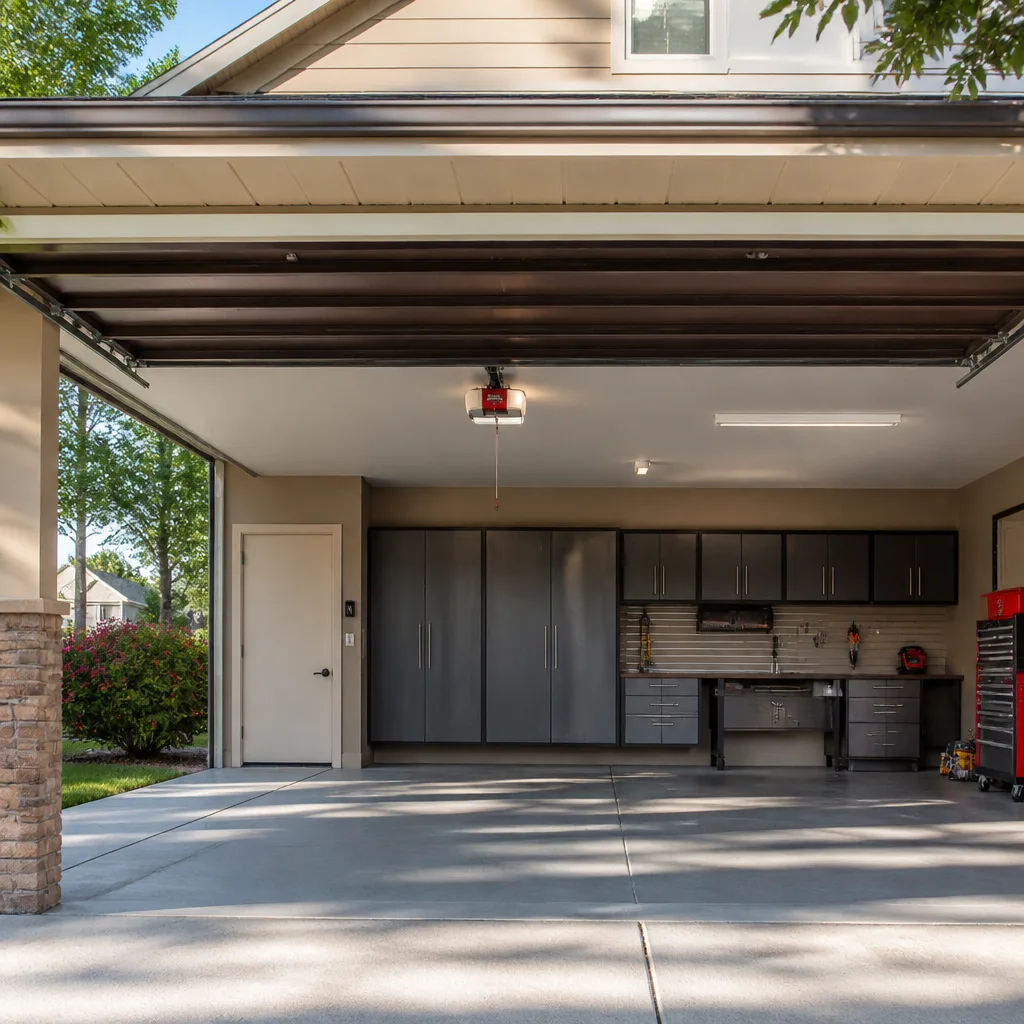 LiftMaster openers
 Chamberlain openers
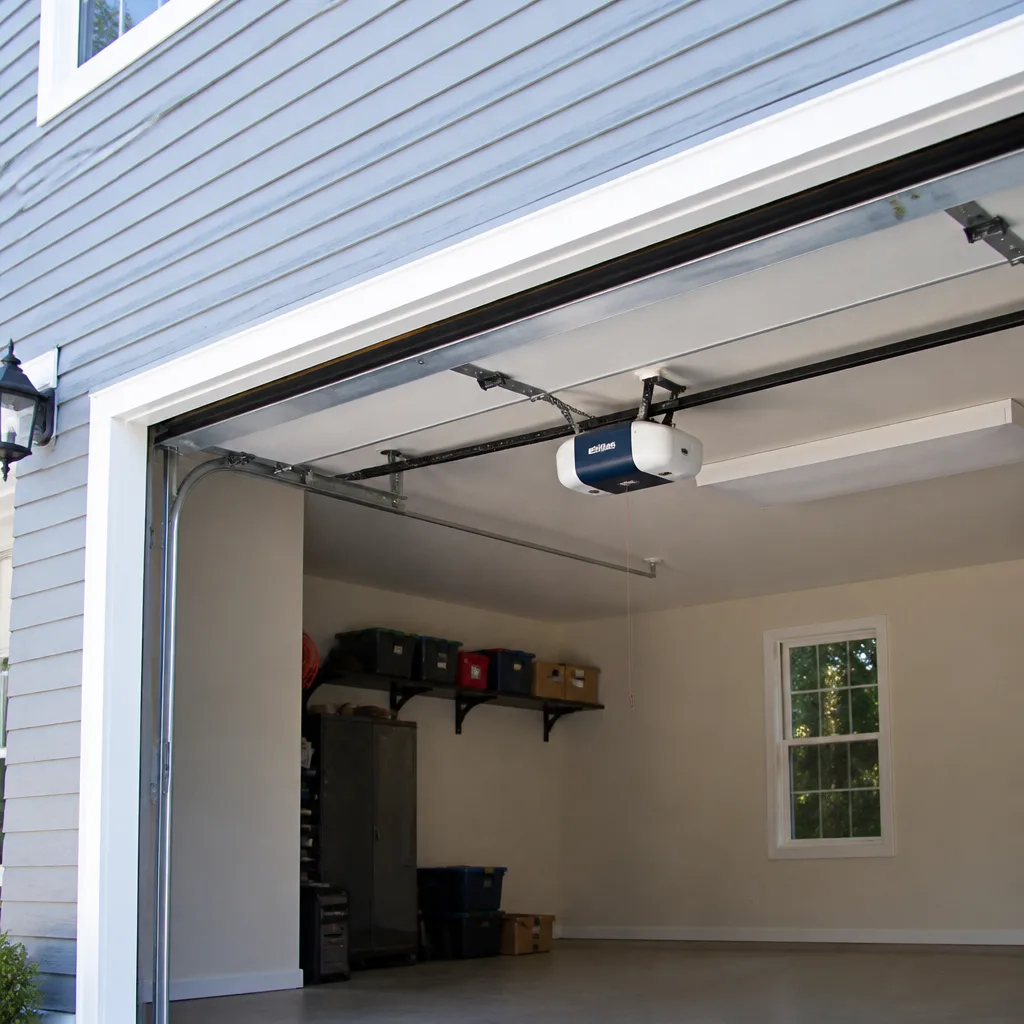
Full 25-point door and opener safety check with every visit - springs, cables, rollers, tracks, and your LiftMaster or Chamberlain opener included
You get a price before we start. It does not change when the pro arrives.
Get your free estimateSeasonal Garage Door Care for Bristol: Year-Round Homeowner’s Guide
Most homeowners think about their garage door twice: when it’s installed and when it breaks. That gap is exactly where expensive repairs are born. Here in Bristol, the door on your house faces four genuinely different climates each year – a wet, leaf-heavy fall, a freeze-thaw winter that works on metal and seals relentlessly, a humid summer that quietly warps wood panels, and a spring that reveals everything winter loosened. The maintenance calendar you follow is less important than the maintenance logic you follow. What you do in October determines what survives January. This guide walks through each season as its own threat environment, with the specific tasks that matter in Bristol and the checks a 15-minute routine can cover.
Quick Answer
The best garage door maintenance schedule in Bristol is season-driven, not calendar-driven: in fall, swap to cold-rated lubricant and inspect the bottom seal and weatherstripping before the first freeze; in winter, watch the torsion spring and keep the tracks clear of ice; in spring, inspect for wear the cold season revealed; in summer, check wood panels for humidity swelling and test opener sensitivity. Fifteen minutes per season covers the highest-risk failure points and prevents most of the breakdowns that bring homeowners to a repair call.
Styles & brands we work with
- Raised-panel steel
- Carriage house
- Modern flush
- Full-view glass
- LiftMaster openers
- Chamberlain openers
Table of Contents
- Fall: The Pre-Freeze Checklist That Determines Your Winter
- What Actually Happens to Torsion Springs in a Bristol Winter
- Winter: Ice, Tracks, and the Balance of the Door
- Spring: Reading What Winter Left Behind
- Summer: Humidity, Wood Panels, and Opener Sensitivity
- The 15-Minute Seasonal Check
- Common Mistakes to Avoid
- When to Call a Professional
Fall: The Pre-Freeze Checklist That Determines Your Winter
October is the most important month on the Bristol garage door calendar, and nothing is usually wrong yet. That’s the point. Every task you complete before the first hard freeze is one fewer thing the cold can exploit. Fall is when you prepare the door’s flexible parts – the seals, the weatherstripping, the lubricant – for the season that punishes them hardest. Once temperatures drop, rubber stiffens and lubricant thickens, so anything you deferred in October becomes a January problem.
Start with the bottom seal. Run your hand along the rubber where the door meets the floor. It should compress and spring back. A seal that’s cracked, flattened, or brittle lets cold air and moisture under the door, and in Bristol’s wet falls it also lets water pool at the threshold where it can freeze. Replace a worn bottom seal before the freeze, not after.
Next, the perimeter weatherstripping – the strips along the sides and top of the frame. Look for gaps, tears, and sections pulling away from the jamb. A door that seals properly holds heat better and keeps snowmelt from working into the frame.
Then the lubricant swap. This is the single most overlooked fall task. Standard garage door lubricant and general-purpose spray work fine in mild weather but thicken in the cold, adding resistance the opener has to overcome. Before temperatures drop, switch to a cold-rated lubricant on the rollers, hinges, and torsion spring. The change is simple; the effect on cold-weather reliability is not.
Finish with a balance check: disconnect the opener and lift the door halfway by hand. It should stay put. A door that drifts down on its own is telling you the spring tension has shifted, and you want to know that in October rather than discover it in a January cold snap.
What Actually Happens to Torsion Springs in a Bristol Winter
Torsion springs are the most misunderstood component on the whole door, and winter is where the misunderstanding gets expensive. A torsion spring stores energy by winding; it holds the weight of the door so the opener only has to guide it. In cold weather, the steel itself becomes less ductile, and the cycle count on the spring keeps climbing every time the door opens and closes. A spring near the end of its cycle life is far more likely to fail in cold weather than in mild weather. This is why so many spring failures seem to arrive with the first cold snap.
The one adjustment that genuinely reduces cold-weather failures is not a DIY fix – it’s making sure the spring is properly tensioned and the door is balanced before winter. An unbalanced door forces the spring to work harder on every cycle, and harder work means faster fatigue. If your door feels heavy, slams down faster than it rises, or won’t stay halfway open, that’s a balance problem, and it’s worth addressing before the cold arrives.
One thing to understand clearly: torsion springs are under extreme tension at all times, and adjusting, winding, or replacing one is genuinely dangerous. This is not a component to work on yourself, and it’s not a job for a general handyman. It’s also why we treat garage door spring repair as its own dedicated service rather than an add-on. When a spring goes, the door often won’t open at all – and if it does, the sudden slack can throw the door off track or drop it. If you hear a loud bang from the garage and the door won’t lift, stop and call a professional. Our technicians have up to 15 years of experience with this exact repair, and it’s a job where experience matters.
Winter: Ice, Tracks, and the Balance of the Door
Bristol winters are a freeze-thaw cycle repeated over and over, and that rhythm is harder on a garage door than constant cold. Water gets into the tracks, freezes overnight, expands, and shifts the rail. Snowmelt runs under the door and refreezes at the threshold. The door’s moving parts face more resistance in winter than at any other time of year, and the opener has to work harder for every cycle.
Keep the tracks clear. Not just of snow, but of the ice that forms where meltwater runs into the rail. A track with ice in it forces the rollers to bind, and a binding door can come off track entirely. Clear the area around the door and the track base after storms, and don’t let snow pile against the door itself.
Watch the opener’s behavior in cold weather. If the door reverses partway up, stops short, or struggles to close, the opener is likely hitting its force limit because the cold has stiffened the door’s movement. A Genie or Chamberlain opener that worked fine in October and now hesitates is usually telling you about door resistance, not a failing unit. Don’t simply crank up the opener’s force setting to force it through – that masks a problem and strains the motor. Find the source of the resistance instead.
Check that the safety reverse still works. Put a small object in the door’s path and confirm the door reverses on contact. Cold weather can affect the sensitivity of the safety sensors, and this is the one function you never want to skip. If the sensors are misaligned or the door won’t reverse, address it before the next storm.
A properly balanced door needs less force to move, which means less strain in winter. That’s why the fall balance check matters so much – it pays off all season.
Spring: Reading What Winter Left Behind
Spring in Bristol is diagnostic season. The cold is behind you, and now you can see what it did. Wear that was invisible in October often becomes visible in April: a seal that’s cracked from freeze-thaw, a hinge that’s loosened, a track that’s shifted a fraction of an inch, weatherstripping that’s pulled away from the frame. Spring inspection isn’t about preventing the next season’s problems – it’s about finding what the last one left behind before it compounds.
Here’s what a full winter typically reveals, and what to check:
- Bottom seal condition. Run the hand test again. A seal that was flexible in October may now be cracked or torn from repeated freezing. Replace it before the wet spring rains find the gap.
- Track alignment. Look down each track from the door’s edge. The gap between the track and the roller should be consistent top to bottom. A track that’s shifted from ice expansion will show a visible gap or a bind point.
- Hinge and roller wear. Cold and grit accelerate wear on hinges and rollers. Look for loose screws, worn bearings, and rollers that don’t spin freely.
- Weatherstripping integrity. Check the full perimeter. A strip that’s come loose at one corner is an easy fix in April and a drafty, wet problem by June.
- Spring condition. Look at the torsion spring – you’re checking for visible gaps, rust, or a spring that’s clearly lost tension, not adjusting anything. If the door feels heavy or unbalanced, that’s a professional call.
- Paint and finish on steel doors. Winter grit and moisture can start surface rust at the bottom edge. Catching it in spring keeps it from spreading.
Spring is also the right time to schedule any garage door repair you deferred over the winter. Small alignment and hardware fixes are quick and inexpensive when caught early. For the bigger picture on what repair vs. replacement looks like, the main Bristol Garage Door Repair Co page covers the full service range.
Summer: Humidity, Wood Panels, and Opener Sensitivity
Summer is the season most homeowners ignore, and for wood garage doors it’s quietly the most damaging. Bristol summers bring real humidity, and wood panels absorb moisture from the air. That absorption causes swelling – panels can bind against each other, the door can grow slightly wider, and the whole door can start to stick in its frame. A wood door that worked smoothly all spring and suddenly drags in July is often telling you about humidity, not a mechanical failure.
For wood doors, the summer check is about the finish. A sealed, painted, or stained surface resists moisture absorption; a worn finish lets it in. Walk the door and look for areas where the finish is thin, peeling, or worn – particularly the bottom edge and the vertical stiles. Touch up or reseal those areas before the humid stretch. Clopay and Amarr both make wood-look and genuine wood door options, and the care routine differs by construction, so know what your door is made of. We work on Clopay and Amarr systems specifically and can tell you what your particular door needs.
Summer also affects opener sensitivity. Humidity and temperature shifts change how freely the door moves, and an opener’s force and travel limits that were set in spring may no longer suit the door in July. If the door reverses for no clear reason or stops short, the opener’s limits may need a small adjustment. Check the safety reverse again in summer – sensors can drift with temperature swings, and a door that worked all winter can suddenly fail the reverse test.
And summer is the season for the fifteen-minute check: lubricate the moving parts with standard lubricant (you’ll swap to cold-rated in fall), tighten any hardware that’s worked loose, and test the balance. Small adjustments in summer save bigger repairs in fall.
The 15-Minute Seasonal Check
You don’t need a long checklist to protect a garage door – you need the right fifteen minutes in the right season. Here’s a routine built around the highest-risk failure points for each season in Bristol. Do one of these each quarter and you’ll catch most problems before they become emergency calls.
Fall check (before the first freeze):
- Test the bottom seal and perimeter weatherstripping for cracks and gaps.
- Swap to cold-rated lubricant on rollers, hinges, and spring.
- Disconnect the opener and test the door’s balance at halfway.
- Clear the tracks of debris and confirm the door moves without binding.
- Test the safety reverse with an object in the path.
Winter check (after each major storm):
- Clear ice and snow from the tracks and threshold.
- Watch for the opener struggling, reversing, or stopping short.
- Confirm the safety reverse still works in cold conditions.
- Listen for new noises – grinding, scraping, or a bang that signals a spring issue.
Spring check (once the freeze is over):
- Inspect the bottom seal and weatherstripping for winter damage.
- Check track alignment and look for bind points.
- Inspect hinges, rollers, and hardware for wear and loose screws.
- Look at the spring for visible gaps, rust, or lost tension.
- Check the door’s finish for rust or worn paint.
Summer check (during humid stretches):
- Inspect wood panels for swelling, binding, and worn finish.
- Test opener force and travel limits in the heat.
- Re-test the safety reverse.
- Lubricate moving parts with standard lubricant.
- Tighten any hardware that’s loosened with temperature swings.
Fifteen minutes, four times a year. That’s the whole system.
Why Seasonal Care Extends Door Life
The difference between a garage door that lasts 20 years and one that needs major repair in eight usually isn’t the door itself – it’s the care rhythm around it. A door that’s inspected, lubricated, and balanced each season runs with less resistance on every cycle, and less resistance means less wear on springs, rollers, hinges, and the opener. The cumulative effect over years is significant, and the payoff shows up as fewer surprise repairs and a door that still works smoothly when it’s older.
There’s a second benefit that doesn’t get mentioned enough: safety. The components that fail most dangerously – springs, cables, the door’s balance – fail slowly before they fail suddenly. A door that’s been quietly losing tension for months is one that’s been telegraphing the failure through heavy lifting, fast closing, or a drift at halfway. Seasonal inspection is how you read those signals before the loud bang. That’s why garage door opener repair often starts with a conversation about the door itself – the opener is usually the messenger, not the cause.
In Bristol, seasonal care also means matching your maintenance to the local climate rather than a generic national checklist. The freeze-thaw pattern here, the humidity in summer, the wet falls – each one puts specific stress on specific parts. A maintenance routine built around those stresses does more than a generic annual tune-up, because it’s aimed at what’s actually happening to your door.
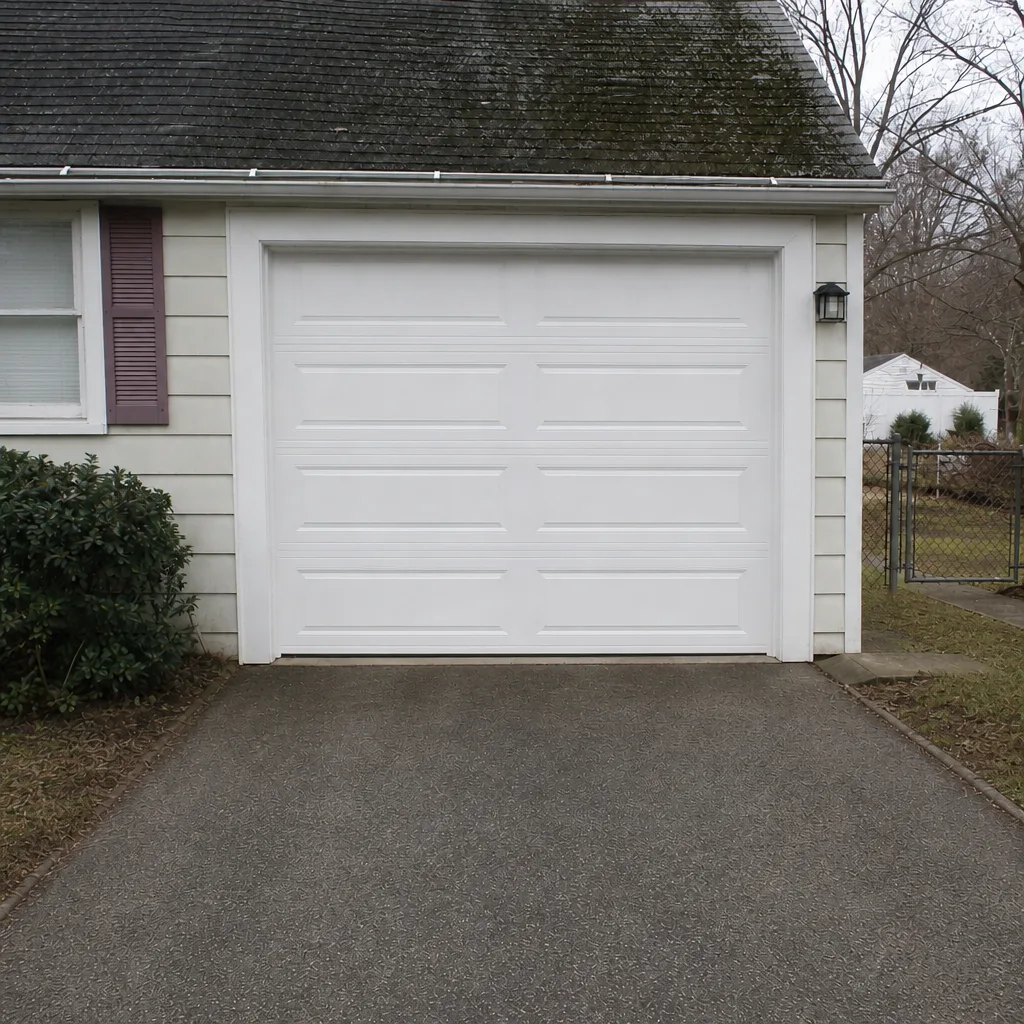
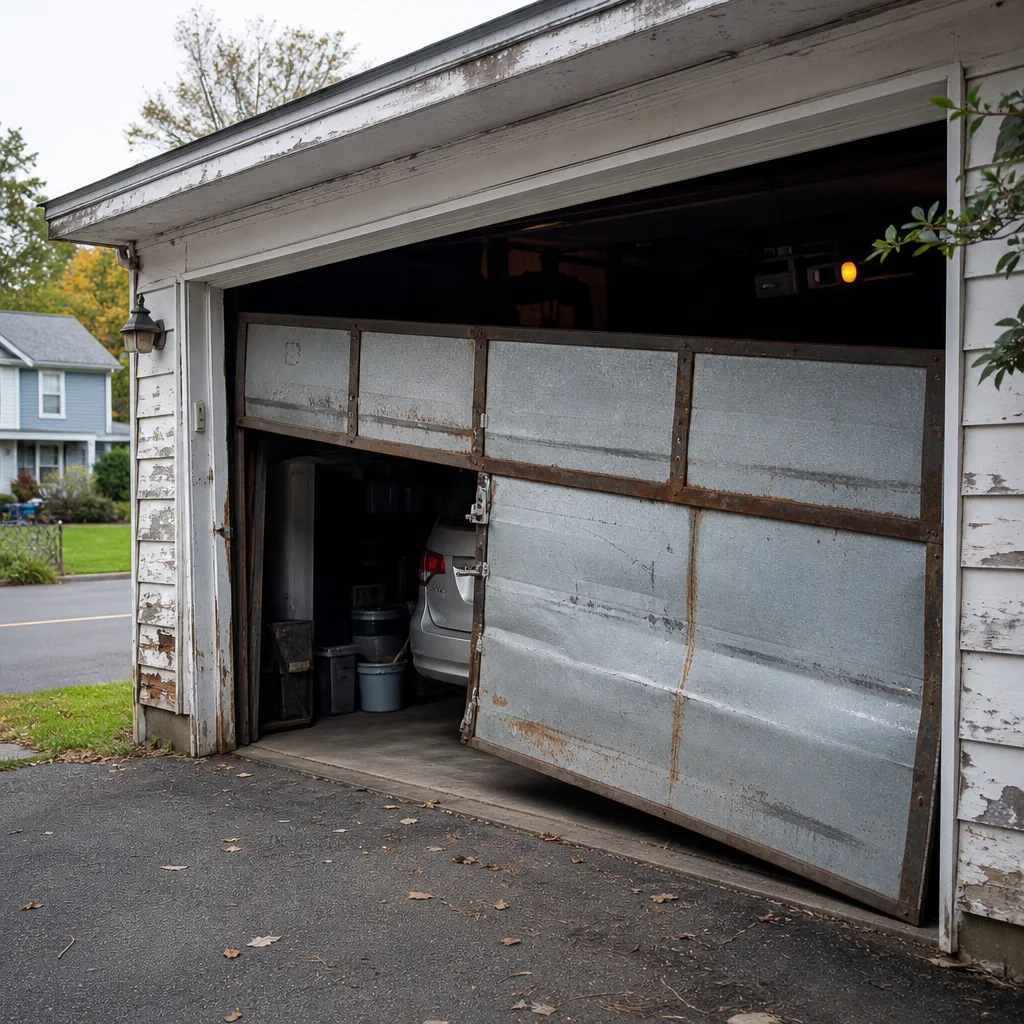
See the difference
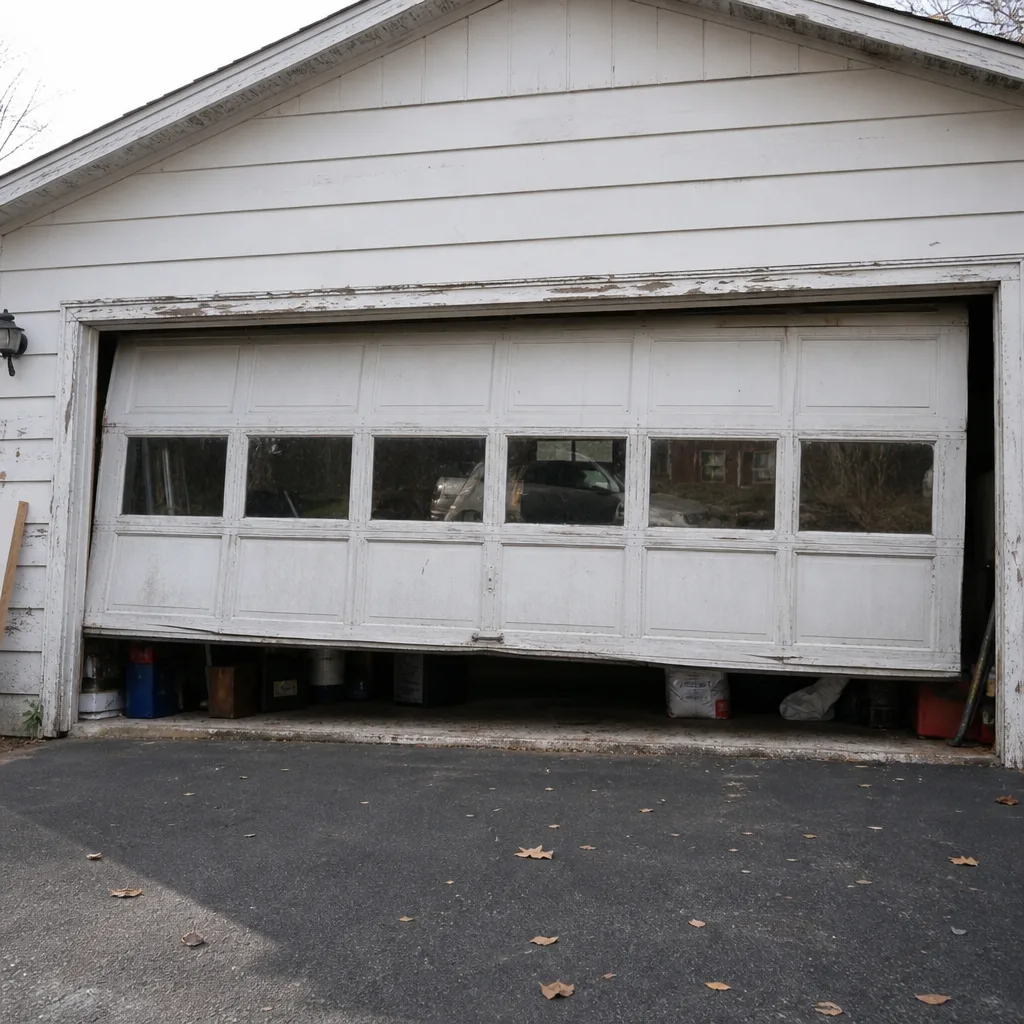 Before
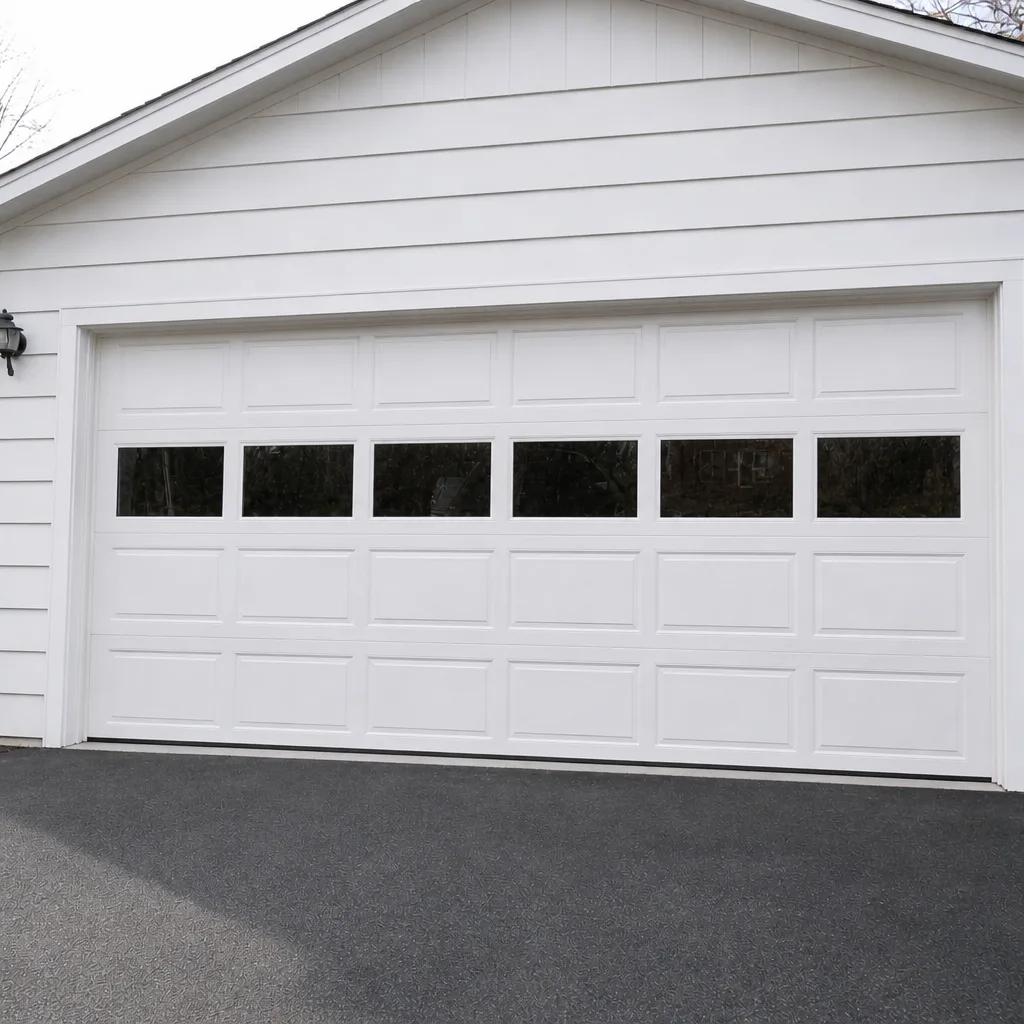 After
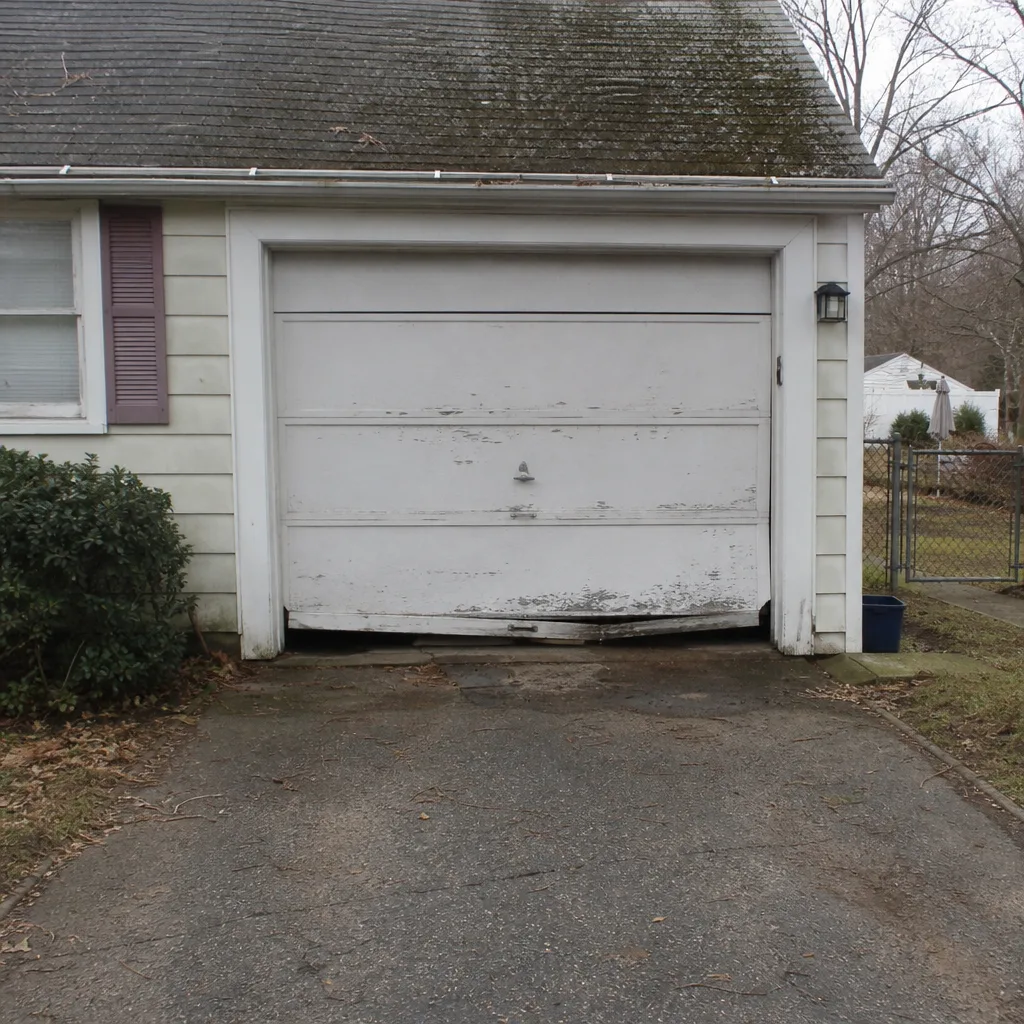 Before
 After
 Before
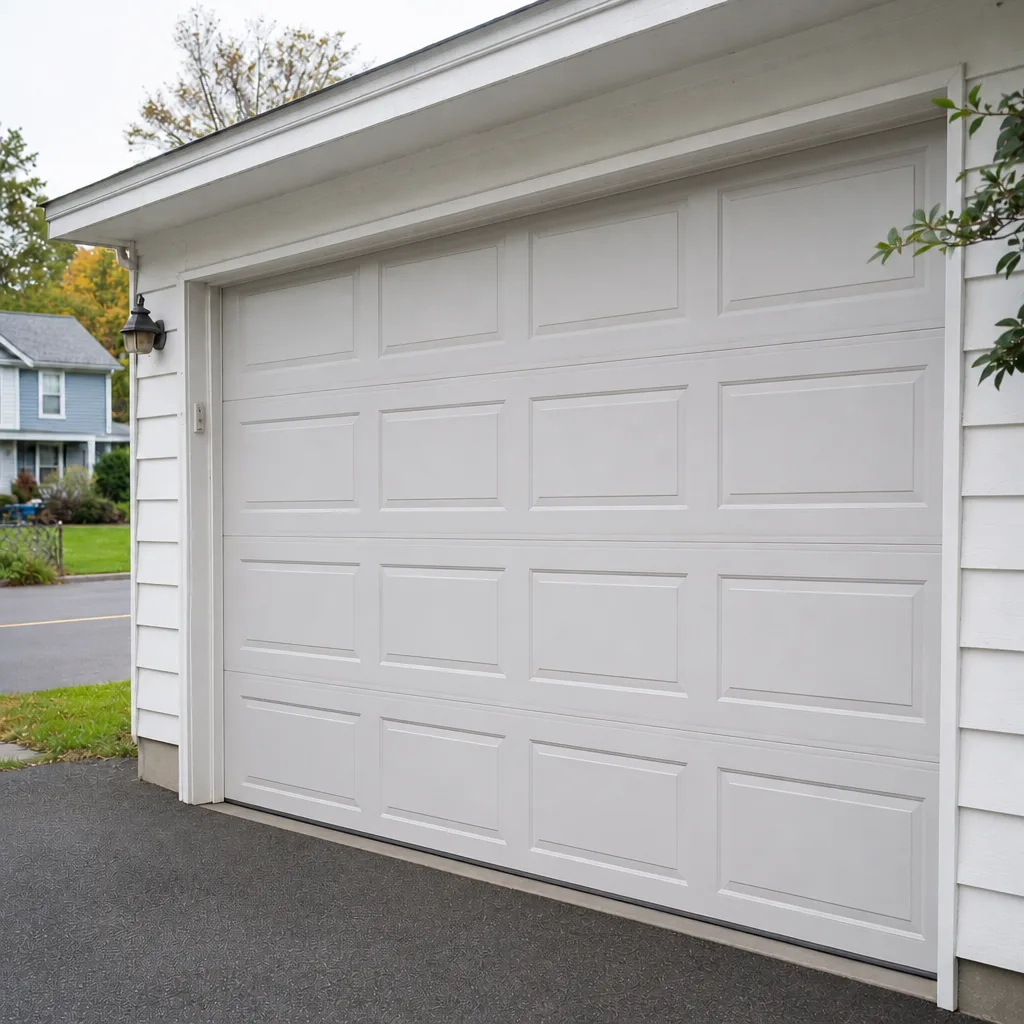 After
Common Mistakes to Avoid
- Waiting for something to break. The most common mistake is treating maintenance as repair. A door that’s working is not a door that’s been checked, and the failure you discover by accident is usually the expensive one. In Bristol, the door that fails in January is the one nobody looked at in October.
- Using the wrong lubricant for the season. Standard lubricant is fine in summer but thickens in cold weather, adding resistance the opener has to fight. Swap to cold-rated lubricant before the first freeze in Bristol, not after the door starts struggling.
- Cranking up opener force to fix a sticking door. If the door is binding, the opener’s force setting is not the problem – the resistance is. Increasing force masks the issue, strains the motor, and can hide a balance or alignment problem that’s getting worse.
- Ignoring the bottom seal and weatherstripping. These are the door’s first defense against moisture, cold air, and drafts. A cracked seal is cheap to replace now and a source of water damage and higher heating costs later.
- Attempting spring or cable work yourself. Torsion springs and cables are under extreme tension and can cause serious injury. This is genuinely one of the most dangerous repairs in the trade, and it’s not a DIY job or a handyman job.
- Forgetting the summer check on wood doors. Humidity swelling is invisible until the door starts binding. A worn finish lets moisture in, and by the time you notice the door sticking, the panels have already taken on water.
- Skipping the safety reverse test. It’s the one test that protects people, and it takes thirty seconds. Test it every season – cold, heat, and humidity can all affect sensor performance.
When to Call a Professional
Most seasonal care is within reach of a homeowner with fifteen minutes and the right checklist. But some situations are a professional call, and recognizing them early saves money and risk. Call a professional when: the door won’t open at all, or a loud bang precedes a door that won’t lift (likely a spring); the door comes off its track or hangs unevenly; the door reverses for no clear reason or won’t stay closed; you see a visible gap, rust, or sag in the torsion spring; the opener runs but the door doesn’t move; or any part of the door’s balance feels wrong. Those are not jobs to force, and springs and cables are never DIY territory.
Bristol Garage Door Repair Co offers free estimates in Bristol – call (888) 794-8841. We answer 24/7. Fast dispatch from 7am to 7pm, Sunday through Friday. The price is quoted and agreed before any work starts, and the written estimate sets the final price.
Frequently Asked Questions
Four times a year, matched to the seasons: a pre-freeze check in fall, storm checks in winter, a post-winter inspection in spring, and a humidity check in summer. Each session takes about fifteen minutes and covers the highest-risk failure points for that season. An annual professional inspection is also worth scheduling for a deeper look at springs, cables, and balance.
Torsion springs fail more in cold weather because cold makes steel less ductile and because a spring near the end of its cycle life is more likely to break under the extra resistance of winter. The cycle count keeps climbing with every open and close, and cold weather is when a fatigued spring finally gives. Keeping the door balanced and properly lubricated reduces the strain, but a spring that’s worn out will eventually fail regardless of season. Call (888) 794-8841 for a free estimate if your door feels heavy or won’t lift.
Yes, lubricating the rollers, hinges, and torsion spring is a safe homeowner task with the right lubricant. Use standard lubricant in summer and swap to cold-rated lubricant before the first freeze in Bristol. Never attempt to adjust, wind, or replace a torsion spring or cable yourself – those are under extreme tension and require a trained professional.
The most important task is the fall pre-freeze check: bottom seal, weatherstripping, cold-rated lubricant, and a balance test. What you do before the first freeze determines what breaks in January. Missing this check is how a minor seal problem becomes a winter door failure.
Disconnect the opener and lift the door halfway by hand. A balanced door stays in place. A door that drifts down on its own or feels heavy to lift is out of balance, which usually points to spring tension. Don’t adjust the spring yourself – call a professional to check it. Call (888) 794-8841 for a free estimate.
Yes, especially for wood doors. Humidity causes wood panels to absorb moisture and swell, which can make the door bind in its frame and put extra strain on the opener. The summer check is about inspecting the finish and sealing any worn areas before the humid stretch does damage. Clopay and Amarr wood and wood-look doors each have their own care needs, and we work on both.
The Bottom Line
Garage door care in Bristol works best as a seasonal rhythm, not an annual afterthought. Fall is the setup season: seal, weatherstrip, swap to cold-rated lubricant, and test balance before the freeze. Winter is about ice, tracks, and watching the opener for strain. Spring is diagnostic: read what winter left behind and fix it early. Summer is about humidity, wood panels, and opener sensitivity. Fifteen minutes per season, aimed at the right parts, is what separates a door that lasts for decades from one that needs major repair in a handful of years. And the moments that call for a professional – springs, cables, balance, off-track doors – are the ones worth respecting. When your door needs service, call (888) 794-8841 for a free estimate. We answer 24/7. Fast dispatch from 7am to 7pm, Sunday through Friday. The price is quoted and agreed before any work starts.
Written by the team at Bristol Garage Door Repair Co.