
Last updated November 21, 2026
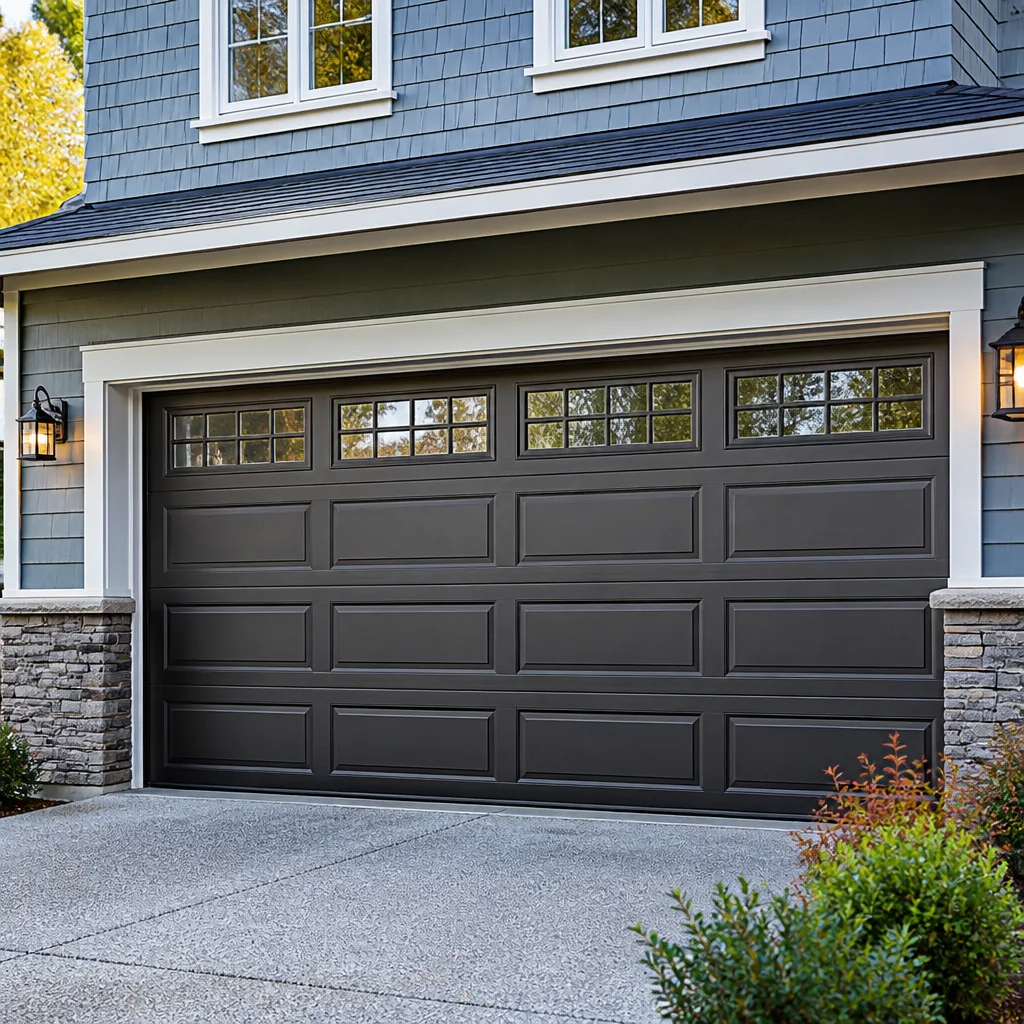 Raised-panel steel
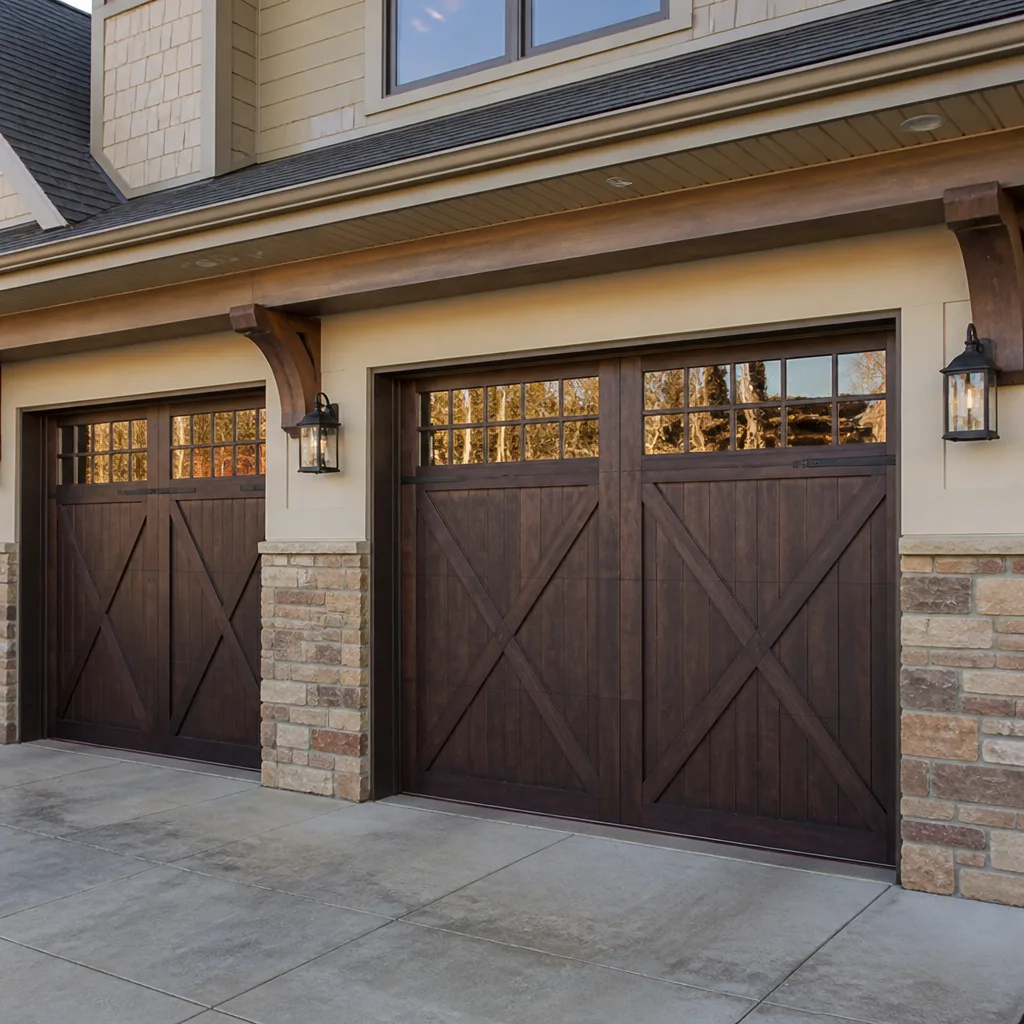 Carriage house
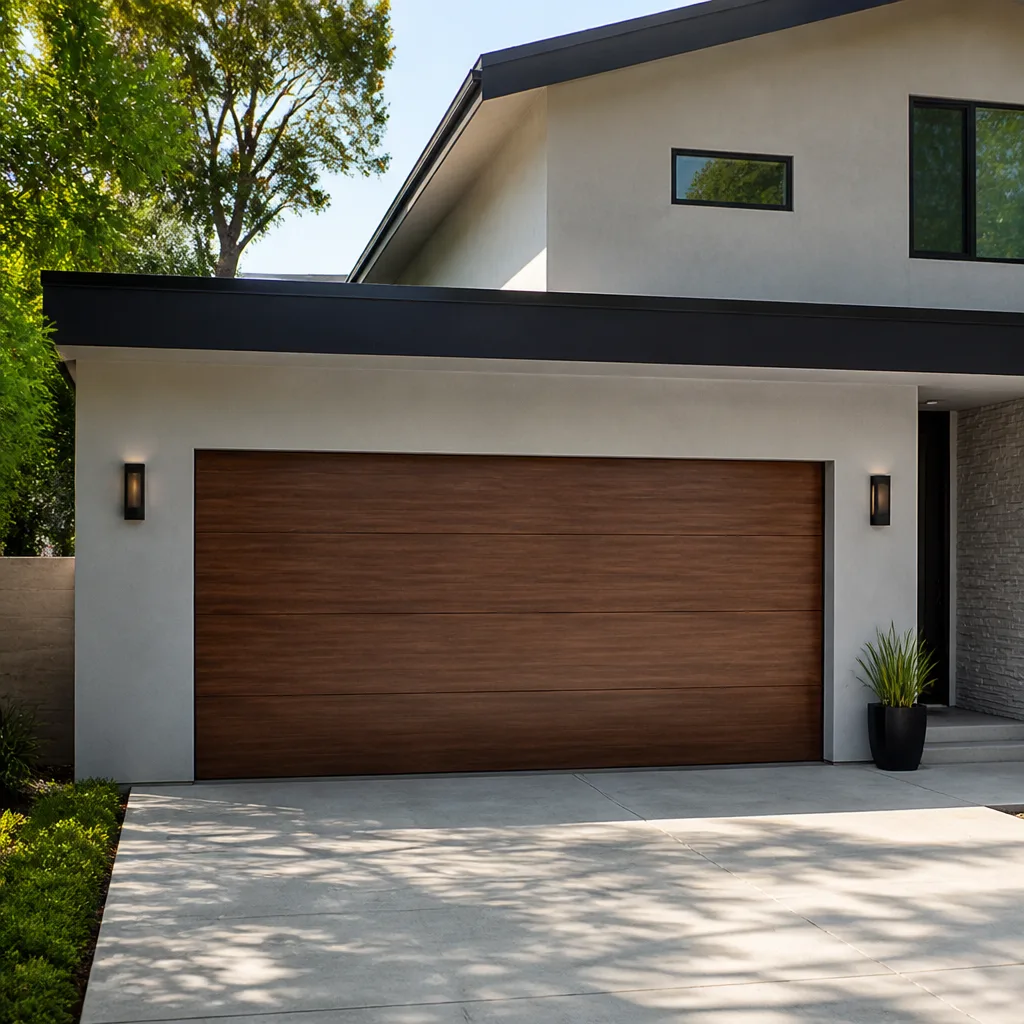 Modern flush
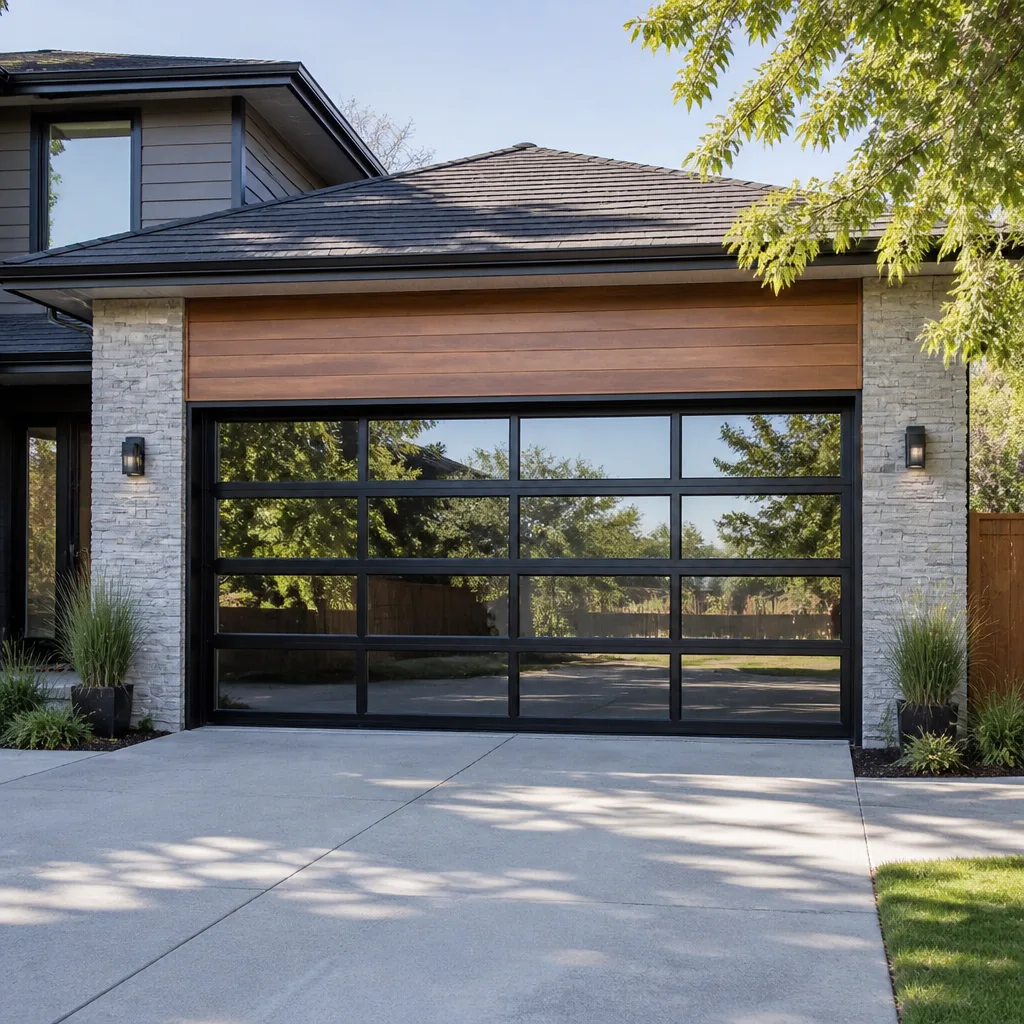 Full-view glass
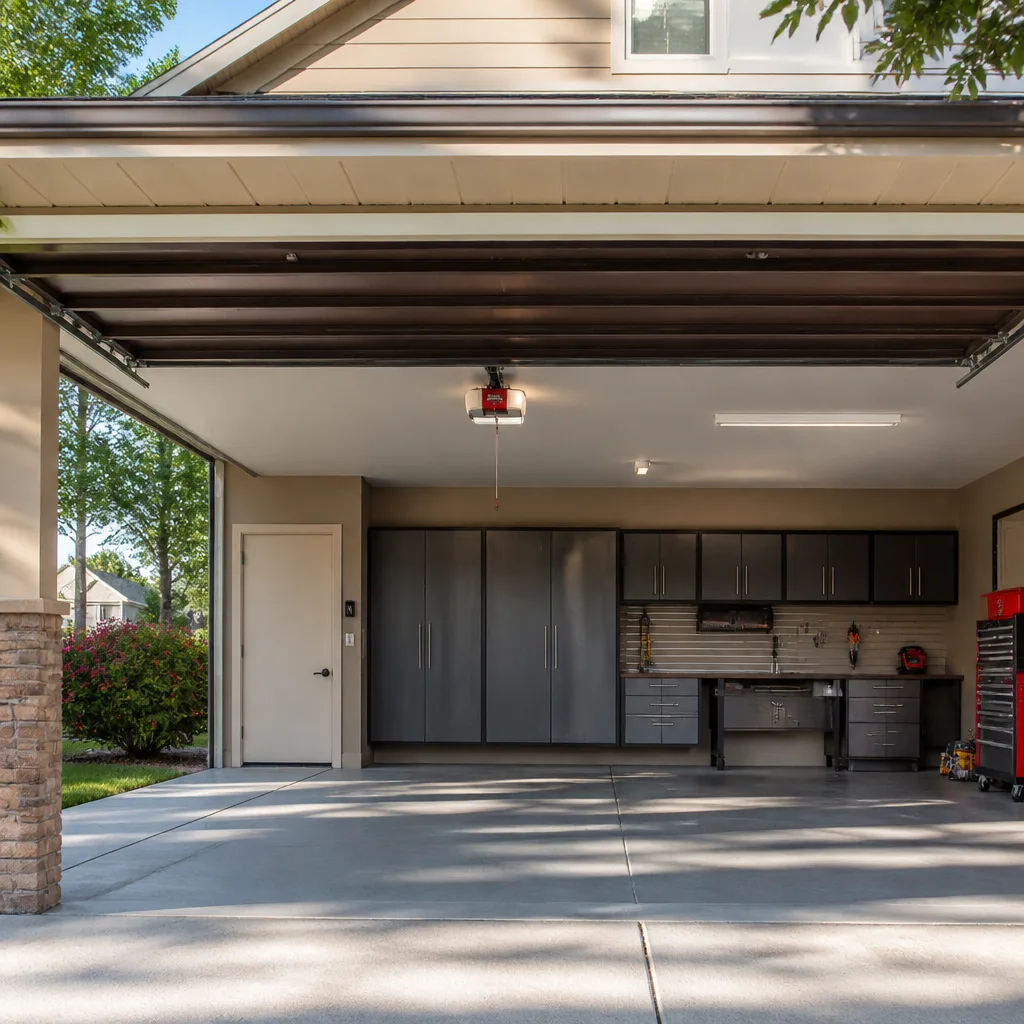 LiftMaster openers
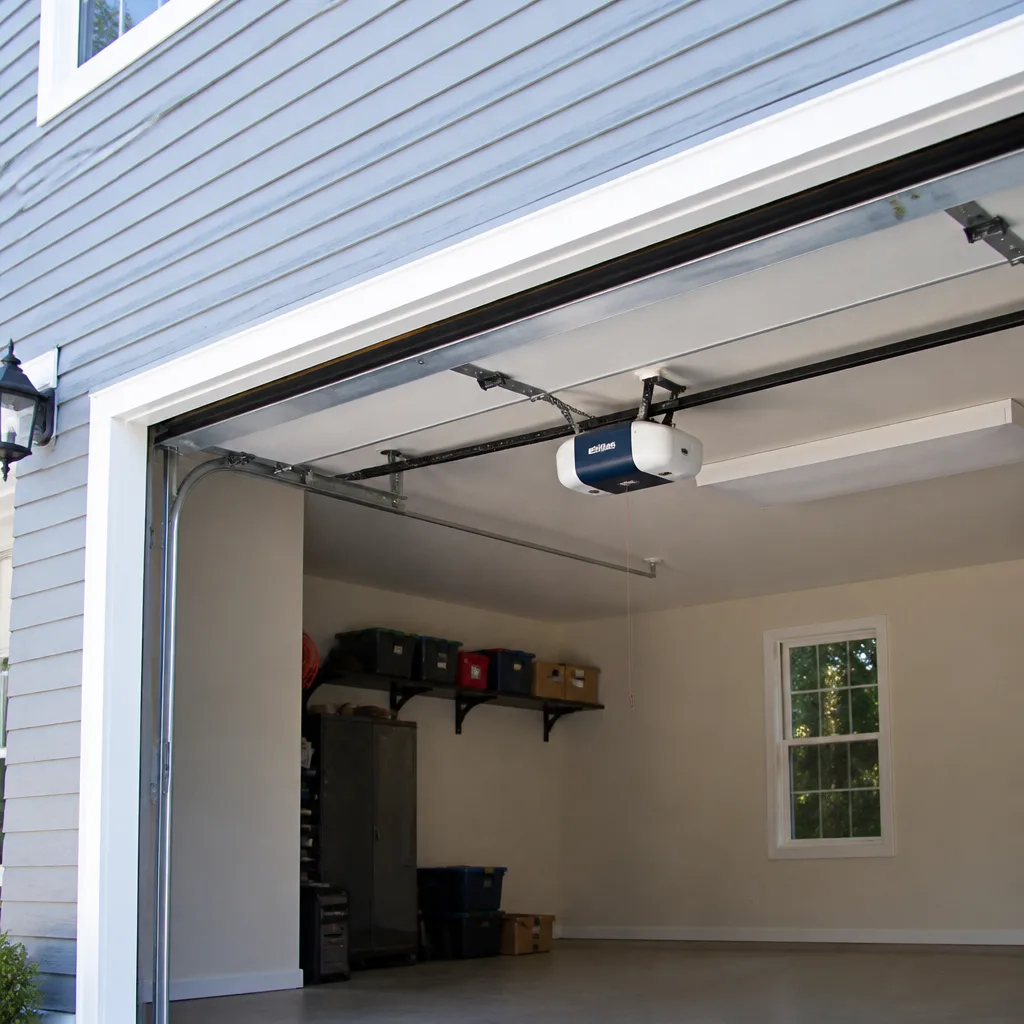 Chamberlain openers
Full 25-point door and opener safety check with every visit - springs, cables, rollers, tracks, and your LiftMaster or Chamberlain opener included
You get a price before we start. It does not change when the pro arrives.
Get your free estimateThe Complete Guide to Garage Doors in Bristol
Most Bristol homeowners will replace a garage door exactly once. That means a multi-thousand-dollar decision gets made with zero prior experience, using advice written for someone in Phoenix or suburban Texas. Our climate is not their climate. Our housing stock is not their housing stock. And the rules that protect you as a homeowner here are not the same as elsewhere. This guide changes that. We’ll walk through how freeze-thaw actually wears down doors and hardware in Bristol, which door types and insulation levels make practical sense for central Connecticut, how a project really unfolds from first measurement to final installation, and how to read a quote without getting buried in upsells. Whether you’re facing a repair or planning a replacement, this is what you need to know.
Quick Answer
A garage door in Bristol, CT needs to handle a hard freeze-thaw cycle, humid summers, and a housing mix that runs from older single-car garages to newer two-car builds. Door selection, insulation, opener choice, and installation timing should all be driven by those local conditions rather than generic national advice. For most Bristol homeowners, the practical path is: diagnose whether repair or replacement makes sense, choose a door rated for this climate zone, get a written measure-based quote, and schedule installation after the freeze risk has passed.
Styles & brands we work with
- Raised-panel steel
- Carriage house
- Modern flush
- Full-view glass
- LiftMaster openers
- Chamberlain openers
Table of Contents
- How a Garage Door Lives Through a Bristol Year
- Which Door Materials Hold Up in Bristol’s Climate
- Insulation Ratings That Actually Matter Here
- Big-Box vs. Bristol-Based Specialist: What’s the Real Difference
- Realistic Timeline From Decision to Installed Door
- Permit and Code Considerations in Bristol
- How to Evaluate a Garage Door Quote in Bristol
- Maintenance That Pays for Itself
How a Garage Door Lives Through a Bristol Year
A Bristol garage door endures roughly four distinct seasonal phases each year, and each one stresses different components. Understanding this cycle is the single most useful thing you can do as a homeowner, because it tells you when to inspect, when to lubricate, and when to expect trouble.
Winter freeze-thaw. Bristol routinely sees temperatures swing above and below freezing within the same week. Water gets into seams, tracks, and the gap between the bottom seal and the slab, then freezes and expands. That expansion is what pries weatherstripping loose, causes bottom brackets to seize, and puts extra tension on torsion springs. It’s also why a door that worked in November can sound labored by January.
Spring thaw. Water that entered the mechanism all winter now drains and loosens what froze. We see more loose fasteners and misaligned tracks in March and April than any other window. Rollers that were skating over ice in February start rattling.
Summer humidity. Connecticut summers are humid. Steel doors with compromised paint or galvanized steel panels near the driveway edge start showing surface rust and bubbling. Wood doors absorb moisture and warp if the finish has thinned. Lubricant on springs and hinges dries out faster in heat, and dry lubricant is what keeps the door quiet.
Fall prep. This is the ideal inspection window. Check seals, tighten bolts, lubricate the torsion springs and hinges, and test the safety reverse. A door that passes in October is far less likely to fail in a February cold snap when parts and scheduling are under pressure.
Our technicians have up to 15 years of experience working in this exact climate, and the pattern is consistent: the doors that survive a Bristol winter without drama are the ones maintained in September.
Which Door Materials Hold Up in Bristol’s Climate
Door material choice is the biggest single decision in a replacement project, and most national guides get the recommendation wrong for our region. Here’s a practical breakdown of what actually works in central Connecticut.
- Steel with a factory finish. The workhorse choice. Steel handles freeze-thaw well when the paint stays intact, and modern powder-coated and galvanized finishes resist humid summers. Look for a door with a pre-painted or factory-finished surface and confirm the warranty covers finish integrity. Steel is what most Bristol homeowners end up with, and that’s not a compromise, it’s the right answer.
- Aluminum. Lighter than steel but dents more easily and transmits cold faster. Fine for lower-stress applications, less ideal for a main vehicle door that sees daily use and occasional bumps.
- Wood. Beautiful, but wood in Bristol needs annual finish maintenance because the moisture swings work against it. A warped wood door on a steel track is a common imbalance problem we get called for. If you want wood, commit to the maintenance.
- Composite. A middle ground for homeowners who want the look of wood without the swelling. Materials have improved significantly. Worth asking about.
Brands matter here because the finish system varies. A Clopay or Amarr steel door and a Raynor steel door all handle the climate differently depending on the specific line and finish. That’s why we work on Clopay, Amarr, Wayne Dalton, Raynor, and LiftMaster systems specifically rather than treating every door as interchangeable.
Insulation Ratings That Actually Matter Here
Insulation is where national advice diverges hardest from Bristol reality. You’ll read that an insulated door matters mainly for homes with a heated room above the garage, or that an uninsulated door is fine everywhere else. In practice, a garage attached to the house in Bristol is a thermal buffer zone, and a well-insulated door reduces heat loss, cuts noise, and makes the space livable in February.
A practical way to think about it:
- Attached garage with any living space above or beside it. Go insulated. A polyurethane or polystyrene core door will pay you back in comfort and energy performance, and it reduces the thermal shock that works on the door panels over time.
- Attached garage used as a workshop, gym, entry route, or mudroom. Insulated. The comfort gain is immediate and the door will hold up better to constant opening and closing.
- Fully detached, unheated, storage-only garage. An insulation core offers limited benefit, but a steel door with a weather seal still matters for keeping water and pest entry to a minimum.
Don’t get lost in exact R-values. Ask the installer to explain the door’s construction (single-layer steel versus sandwich panel), whether it has a thermal break, and what kind of weather seal comes with it. Those factors matter more in a Bristol installation than a number on a spec sheet.
Big-Box vs. Bristol-Based Specialist: What’s the Real Difference
A big-box store will sell you a door, and often subcontract the installation. There’s nothing wrong with that model in concept, but the practical difference for a Bristol homeowner shows up in three places: measurement, configuration, and who you call when something is wrong.
Measurement. A garage opening is not a square. Slab settle, header framing, and decades of house movement mean your actual opening has unique dimensions. A specialist measures the opening and the return jamb, verifies headroom and backroom, and confirms side clearance. If those numbers are wrong, the door arrives and doesn’t fit, and you’re waiting weeks for a correction.
Configuration. Doors are configurable: panel style, window options, track radius, spring type, and opener compatibility. A specialist can set up the door to fit your actual opening and your opener. A boxed product is boxed. If you already have a LiftMaster or Chamberlain opener in place, a specialist can confirm compatibility before you commit.
Accountability. When you buy from a Bristol-based specialist, one contact handles the measure, the order, the install, and any follow-up. When the install is subcontracted, the point of contact can change mid-project, and the paperwork travels with the door, not with the store.
None of this is a knock on big-box retail. It’s a realistic description of what each model is good at. If you want a specific configuration matched to your opening and your opener, that’s a specialist’s job. Garage doors are all we do, and that focus is the reason we can match the right part for your exact model instead of a near-fit.
Realistic Timeline From Decision to Installed Door
A garage door installation is measured, ordered, and scheduled. It is not a same-day project, and planning around that reality removes almost all of the frustration from the process. Here’s how the timeline actually plays out for a Bristol homeowner.
- Week 0: Decision and first call. You call, describe the opening and your goals, and book a measurement.
- Week 1: Measure and quote. A specialist measures the opening, confirm headroom, backroom, and side clearance, and gives you a written quote with line items.
- Weeks 1-4: Order and lead time. The door is ordered. Stock sizes move faster; custom sizes and specific panel configurations take longer.
- Weeks 3-6: Permit check and scheduling. Confirm whether your project needs a permit. Schedule the installation for a date after freeze risk has passed if you’re installing in spring, or before the ground hardens if you’re installing in fall.
- Installation day. Removal of the old door, track and spring setup, door placement, opener check, balance test, and safety reverse test. Most installations complete in a single visit.
- Follow-up. Confirm the opener travel limits and force settings, and keep the written quote and warranty documents.
Bristol’s specific planning note: new installations are best scheduled from late spring through early fall, when the weather is stable enough to work around the house and the freeze risk doesn’t complicate the door track and seal work. Winter installations are possible, but the schedule is more sensitive to weather.
Permit and Code Considerations in Bristol
Whether your garage door replacement needs a permit depends on the scope of the work and how your local building department classifies it. The honest answer is: ask the city. Bristol’s building department is the authority on what’s required here, and a quick call to them settles a question that no national guide can answer.
In general terms, like-for-like replacement within the existing opening usually requires less paperwork than structural changes. If the project changes the size of the opening, alters the framing, or moves the header, that’s a different category. Ask the building department directly about:
- Whether a like-for-like replacement requires a permit in Bristol.
- Whether a size change triggers structural review.
- Any inspection requirements after installation.
- Whether an opener replacement is treated separately from the door.
Ask before you order. Lead times are long enough that a permit question discovered after the door ships becomes a costly problem. Our technicians work with homeowners to gather the measurements the building department may ask for, but the office that issues the permit is your city’s, not ours.
How to Evaluate a Garage Door Quote in Bristol
Reading a garage door quote is where most homeowners lose money, not on the door itself but on what’s missing from the line items. A quote is only as good as what it includes. Here’s the non-negotiable structure of a fair quote, and where upsells typically hide.
Non-negotiable line items:
- The door: model, series, size, color, and panel style, written out.
- Track and hardware, specified separately from the door.
- Spring setup and installation.
- Opener compatibility check (and opener replacement if you’re changing it).
- Old door removal and disposal.
- Balance test and safety reverse test after installation.
What’s often an upsell, presented as an upgrade:
- Insulation where it makes no practical difference, such as a detached storage-only garage.
- Opener upgrades you don’t need if your current opener is compatible and functioning.
- Extended warranties beyond the door manufacturer’s own coverage.
- Decorative hardware and window inserts, which are fine choices but shouldn’t be baked into a base price without your consent.
The single most important thing to confirm: the price is quoted and agreed before any work starts, and the written estimate sets the final price. If a quote doesn’t spell out the removal, the springs, and the tests, ask.
Maintenance That Pays for Itself
A garage door is a mechanical system with springs under tension, hinges that pivot, rollers that ride a track, and an opener that drives the whole thing. Two small habits each year prevent most of the repairs we get called for in Bristol.
- Fall inspection. Check the bottom seal for cracks or missing sections. Tighten the hinge bolts. Lubricate the hinges, rollers, and springs with a dry lubricant. Test the safety reverse by placing an object in the door’s path.
- Spring check. Listen for a snap, look for a gap in the torsion spring coils, and notice whether the door feels heavier or has stopped opening fully. A broken spring is not a DIY repair, so if you see one, call a specialist.
- Track inspection. Look for dents, misaligned sections, or debris along the track. A track that’s out of alignment will wear rollers and stress the opener.
- Opener test. Press the wall button and the remote. If either is intermittent, the opener may need attention before it fails outright.
For most of what a maintenance check turns up, our garage door repair team can handle it in a single visit. Spring issues are their own category, and they’re covered by our dedicated garage door spring repair service because spring failure is dangerous and not a job for a generalist.
Common Mistakes to Avoid
- Replacing the door when a repair would do. A noisy door or one that hesitates often needs a spring, roller, or opener fix. Jumping straight to replacement is expensive. Get a proper diagnosis first.
- Choosing a door by panel style before confirming the opening measurements. Style is the fun decision; the opening is the real constraint. Measure first, style second.
- Buying an uninsulated door for an attached garage. In Bristol’s climate, the thermal buffer matters. If the garage shares a wall or ceiling with living space, insulation is the practical choice.
- Skipping the permit question. Calling the Bristol building department before ordering costs nothing and prevents a post-install problem. No national guide can tell you what your city requires.
- Accepting a verbal quote. A written estimate that lists the door, hardware, springs, removal, and tests is what sets the final price. Verbal scope is where surprise charges live.
- Ignoring opener compatibility. A new door and an old opener can fight each other on force settings. Confirm the match before installation day.
- Doing spring work yourself. Torsion springs store serious energy. This is the one part of the system where the safe move is always to call a trained professional.
See the difference
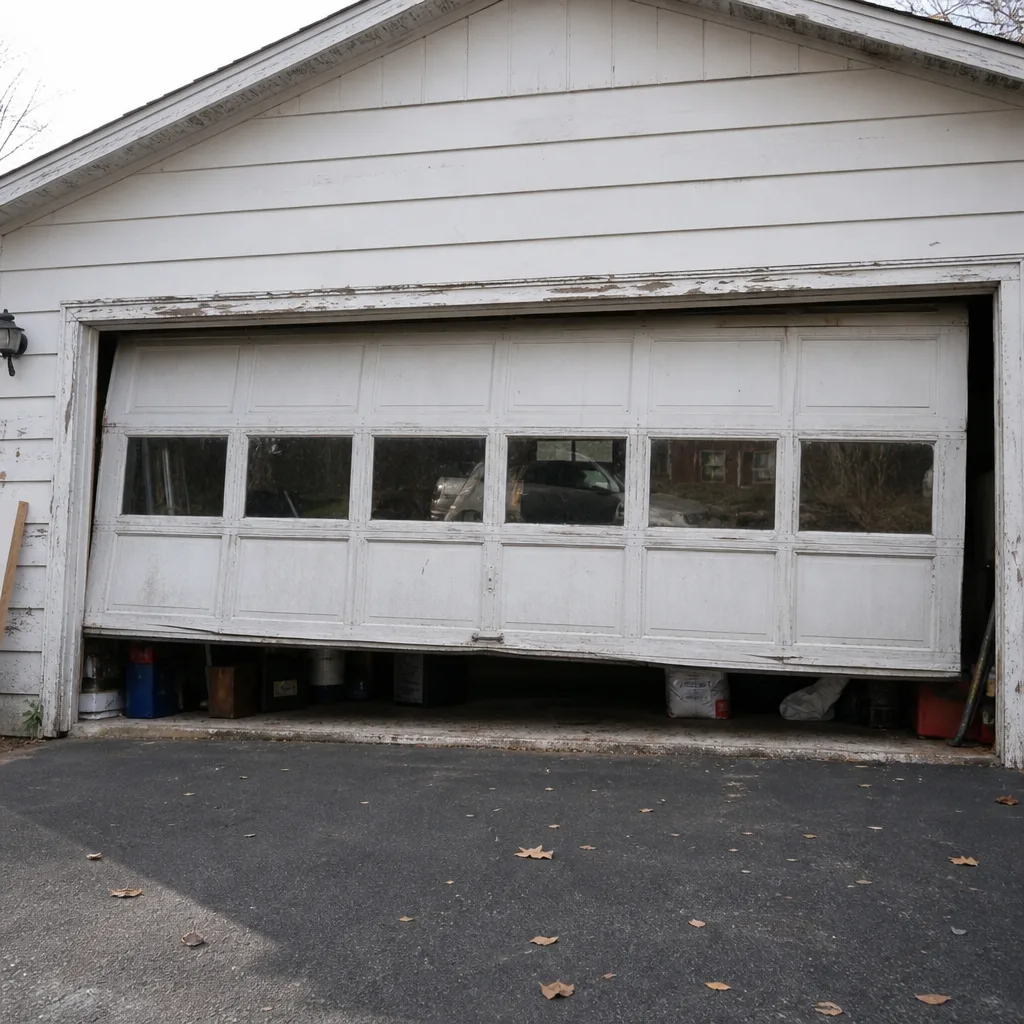 Before
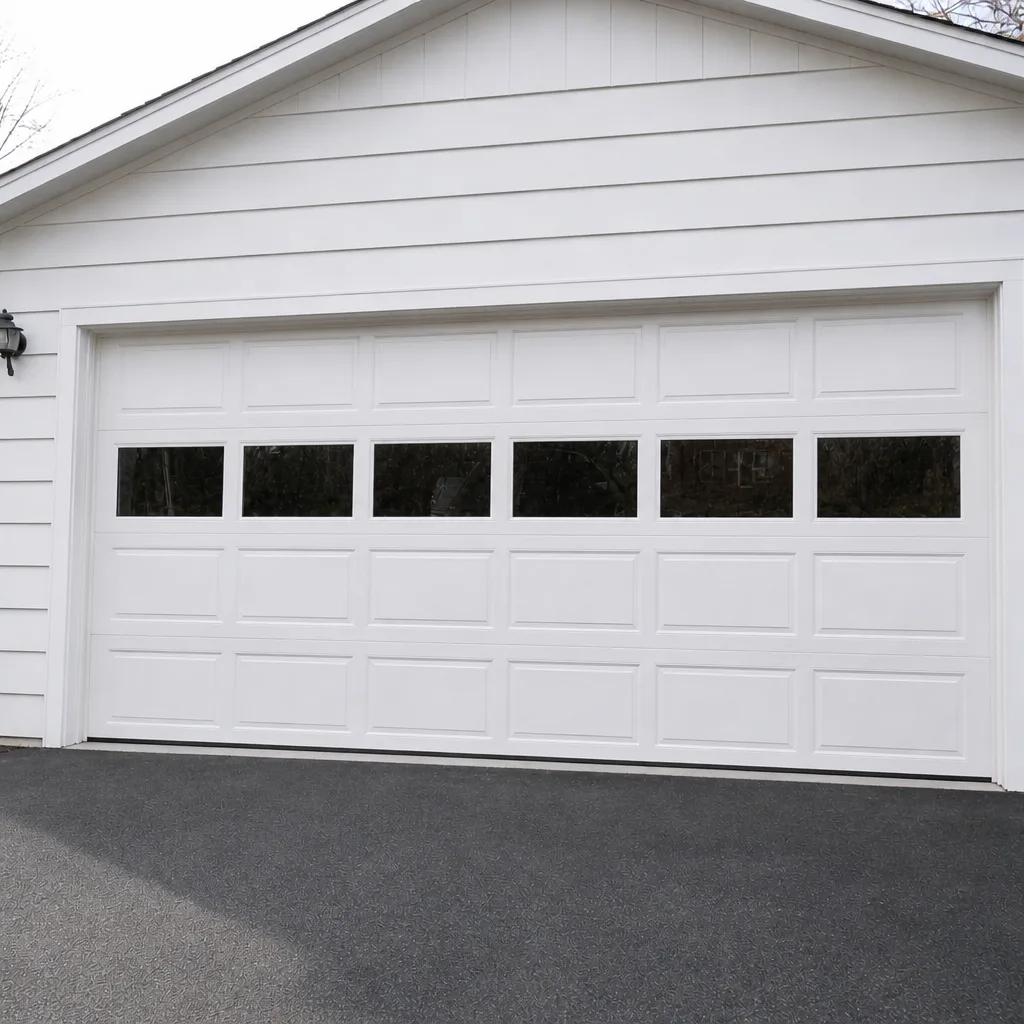 After
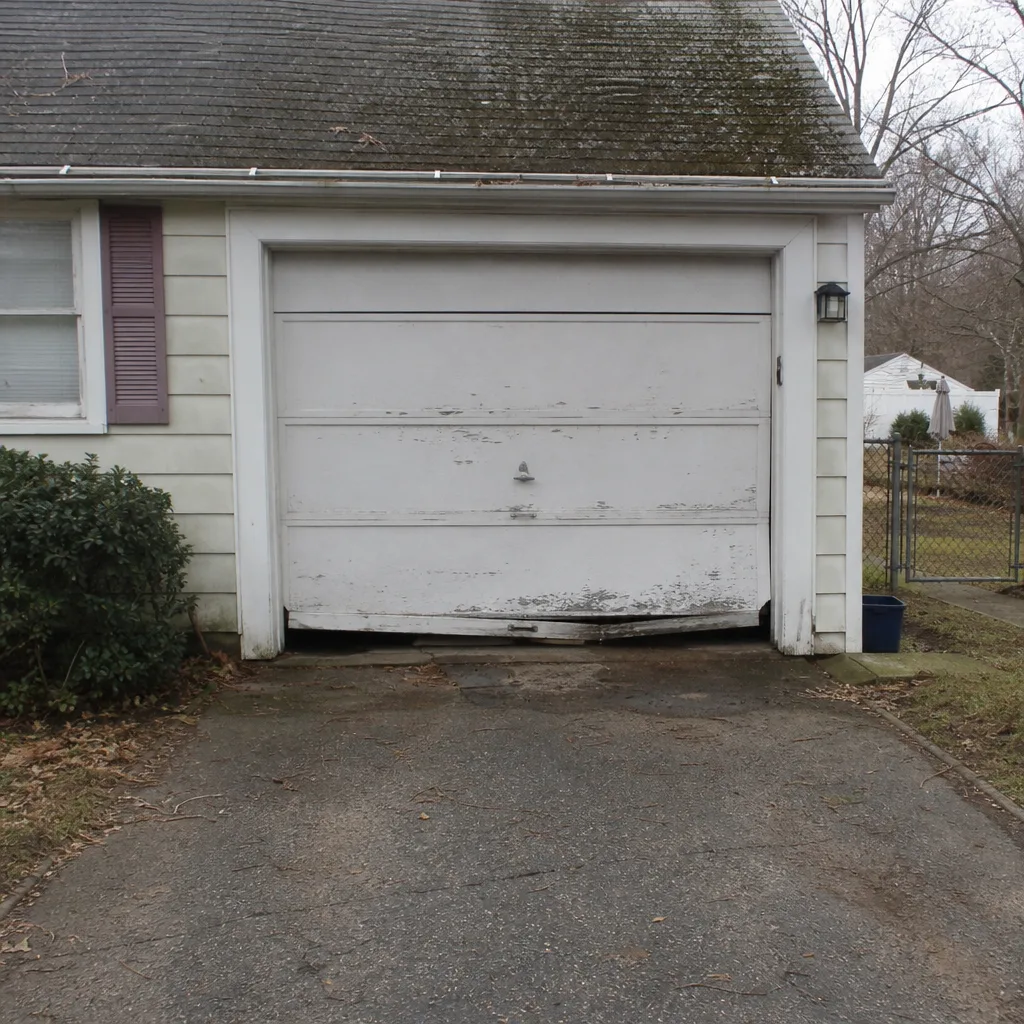 Before
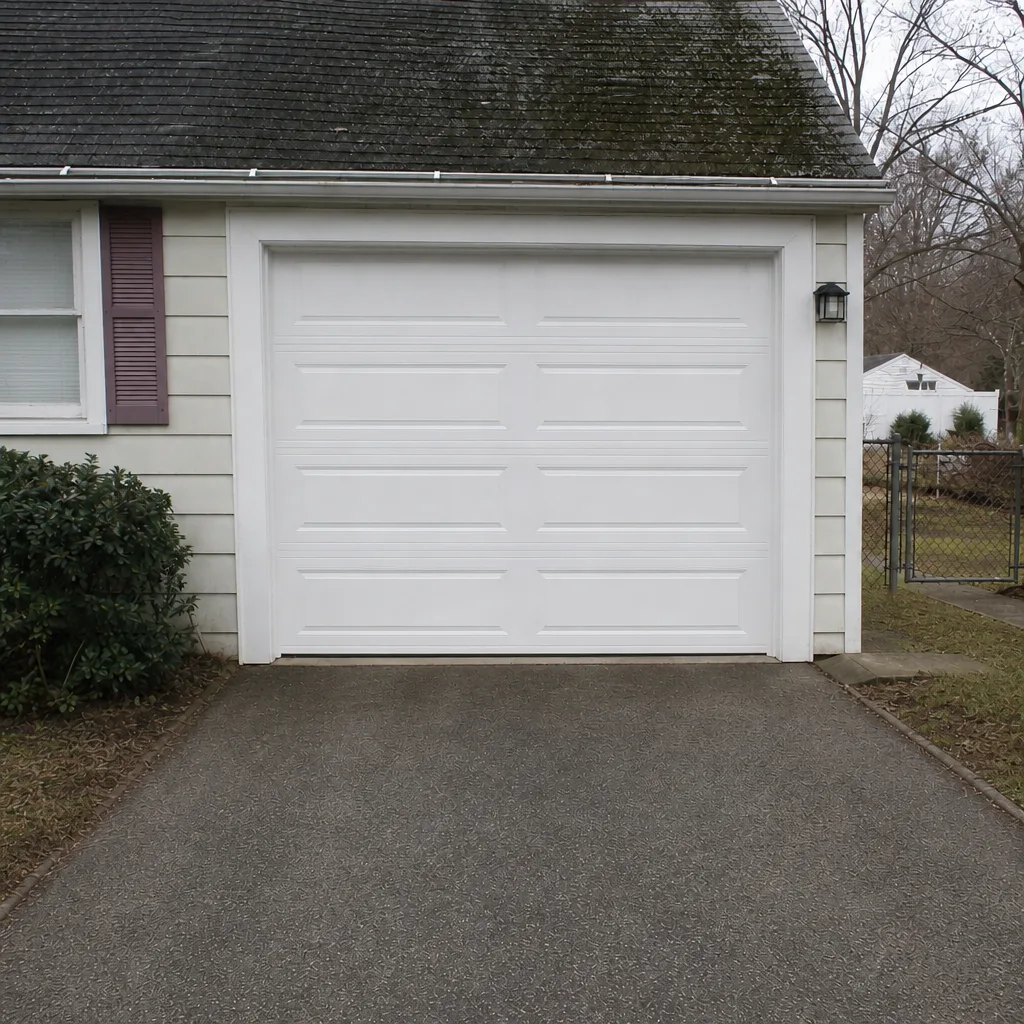 After
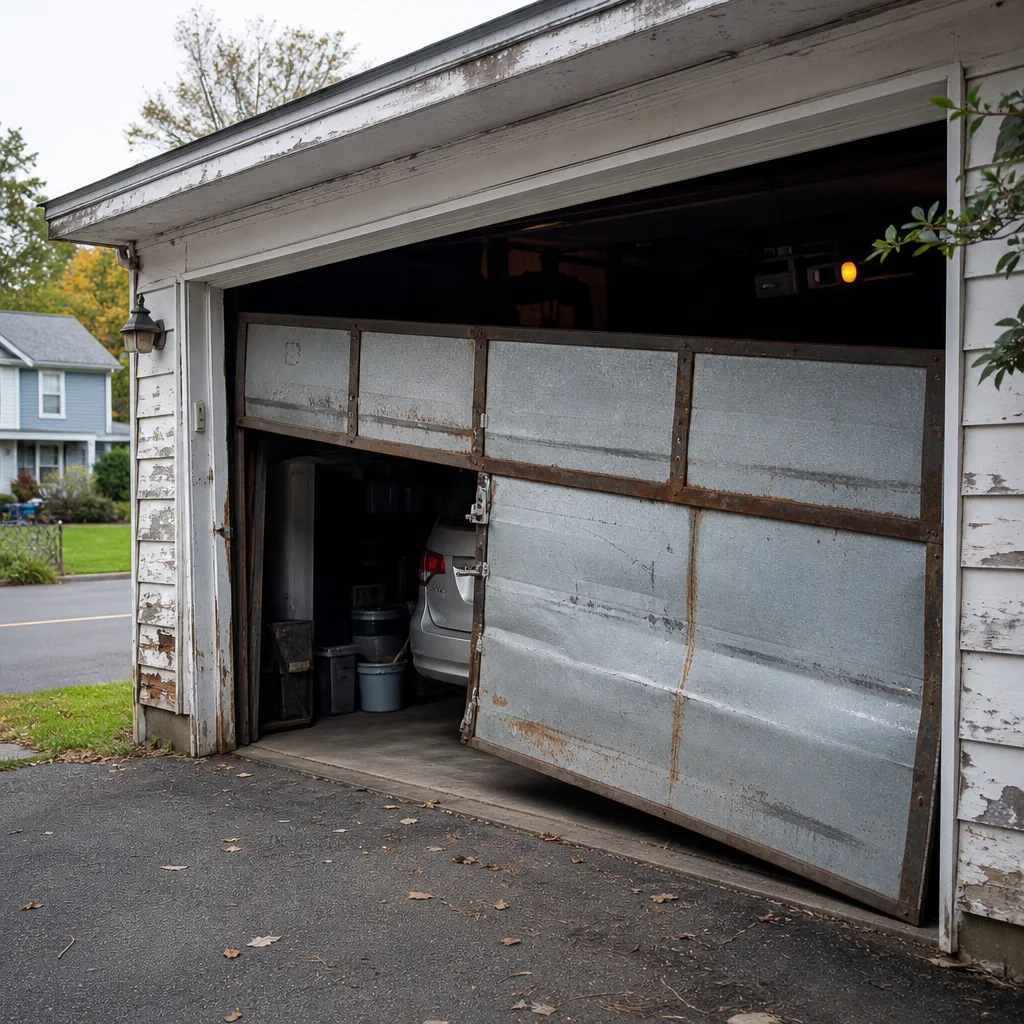 Before
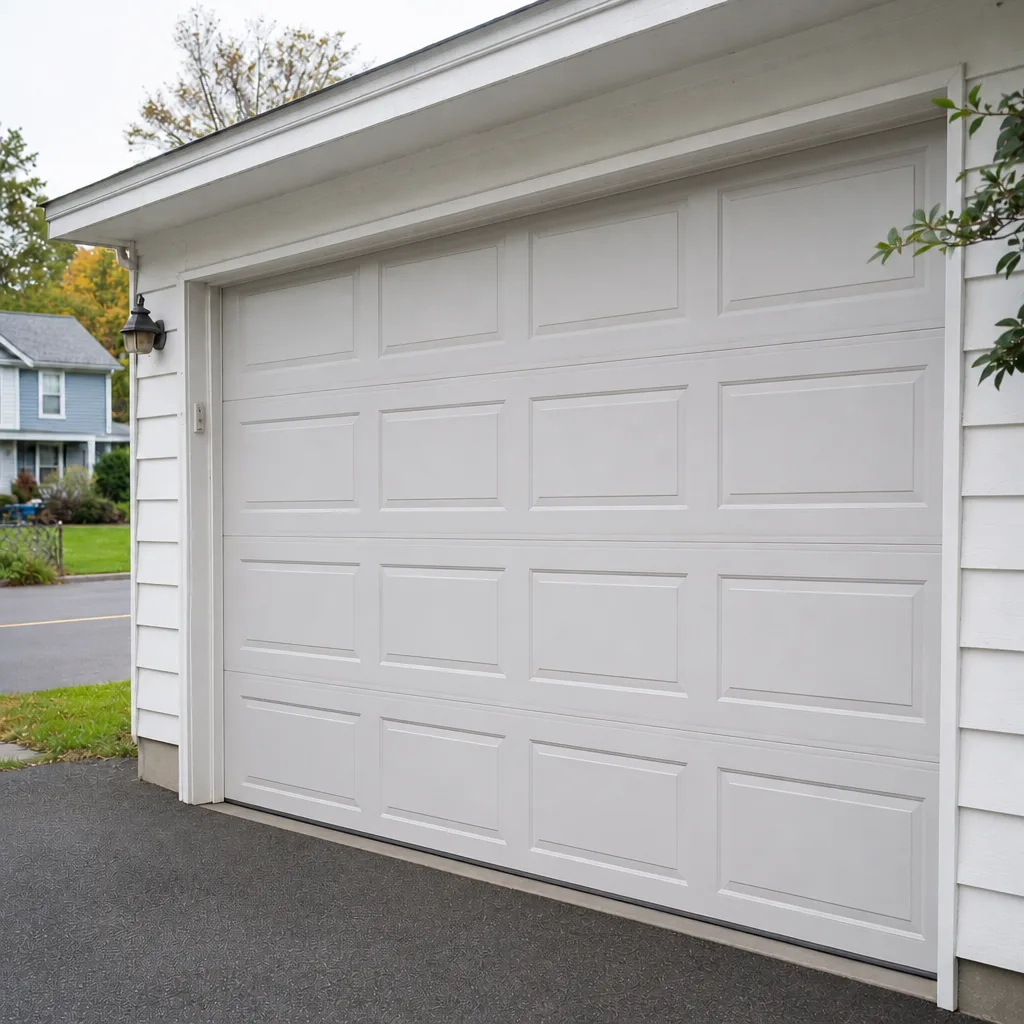 After
When to Call a Professional
Call us when the door won’t open or close, when you hear a loud snap from the spring area, when the door comes off its track or hangs crooked, when the opener runs but the door doesn’t move, or when the door reverses on its own partway through travel. Call us when a part has failed outside its expected life, when the door has visible damage, or when you’re planning a replacement and want a written measure-based quote. If the door creates a security or access problem for your household, our emergency service is a core offering, not an afterthought. Call Bristol Garage Door Repair Co at (888) 794-8841 for a free estimate. We answer 24/7. Fast dispatch from 7am to 7pm, Sunday through Friday.
Frequently Asked Questions
Replacement costs depend on door size, material, insulation, and whether the opener is replaced at the same time. A written measure-based quote gives you the real number for your opening. Call (888) 794-8841 for a free estimate; the price is quoted and agreed before any work starts.
Installation itself usually takes one visit, but the full process from first call to installed door typically runs several weeks because of measurement, ordering, and lead time. Plan for the measure first and confirm the schedule before the door is ordered.
That depends on the scope and your city’s rules, so ask Bristol’s building department directly. A like-for-like replacement within the existing opening usually requires less paperwork than a size change or structural work. Sorting this out before ordering prevents surprises.
If the door structure and panels are sound and the problem is a spring, roller, hinge, or opener, repair is often the right call. Replacement makes more sense when the door is damaged, delaminated, or reaching the end of its practical life. A diagnosis from a specialist settles it.
We work on LiftMaster, Chamberlain, Genie, Clopay, Amarr, Wayne Dalton, Craftsman, and Raynor equipment. That coverage matters because the right part for your exact model is what keeps a repair fast and a replacement aligned with your existing opener.
Call us. We answer 24/7, and fast dispatch runs from 7am to 7pm, Sunday through Friday, with our garage door opener repair team able to handle the opener side of the problem if that’s what’s failed. A call outside dispatch hours is booked into the next opening, Sunday through Friday, 7am to 7pm.
The Bottom Line
Bristol’s freeze-thaw cycle, humid summers, and mixed housing stock put specific demands on a garage door that general national advice doesn’t address. Choose a door material and insulation level based on how the garage is actually used, confirm the opening measurement before ordering, sort out the permit question with the city early, and read your quote for the line items that matter: door, track, springs, removal, and tests. Plan installation for late spring through early fall when the weather is stable, and inspect the door every fall before winter. If you’re facing a repair, a spring failure, or a full replacement, a free estimate is the right first step. Call (888) 794-8841. We answer 24/7. Fast dispatch from 7am to 7pm, Sunday through Friday.
Written by the team at Bristol Garage Door Repair Co.