
Last updated November 21, 2026
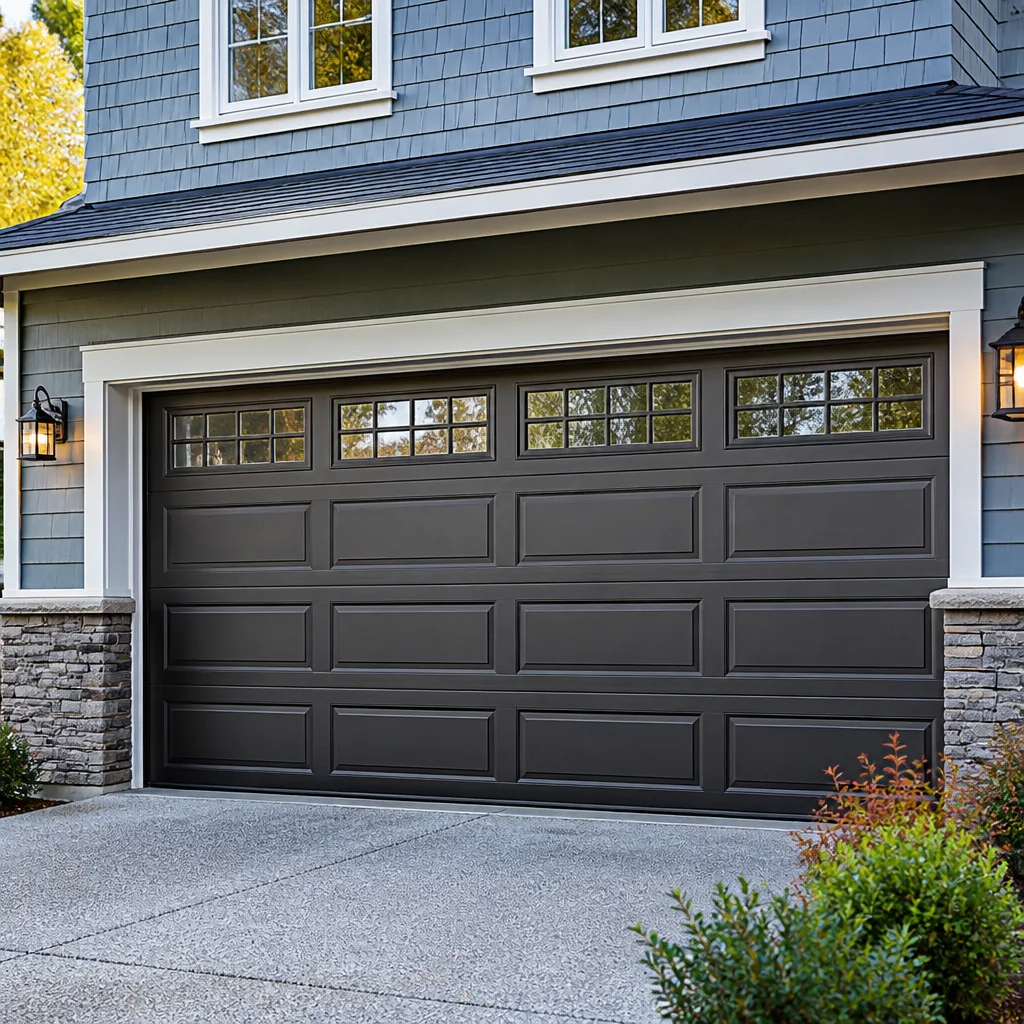 Raised-panel steel
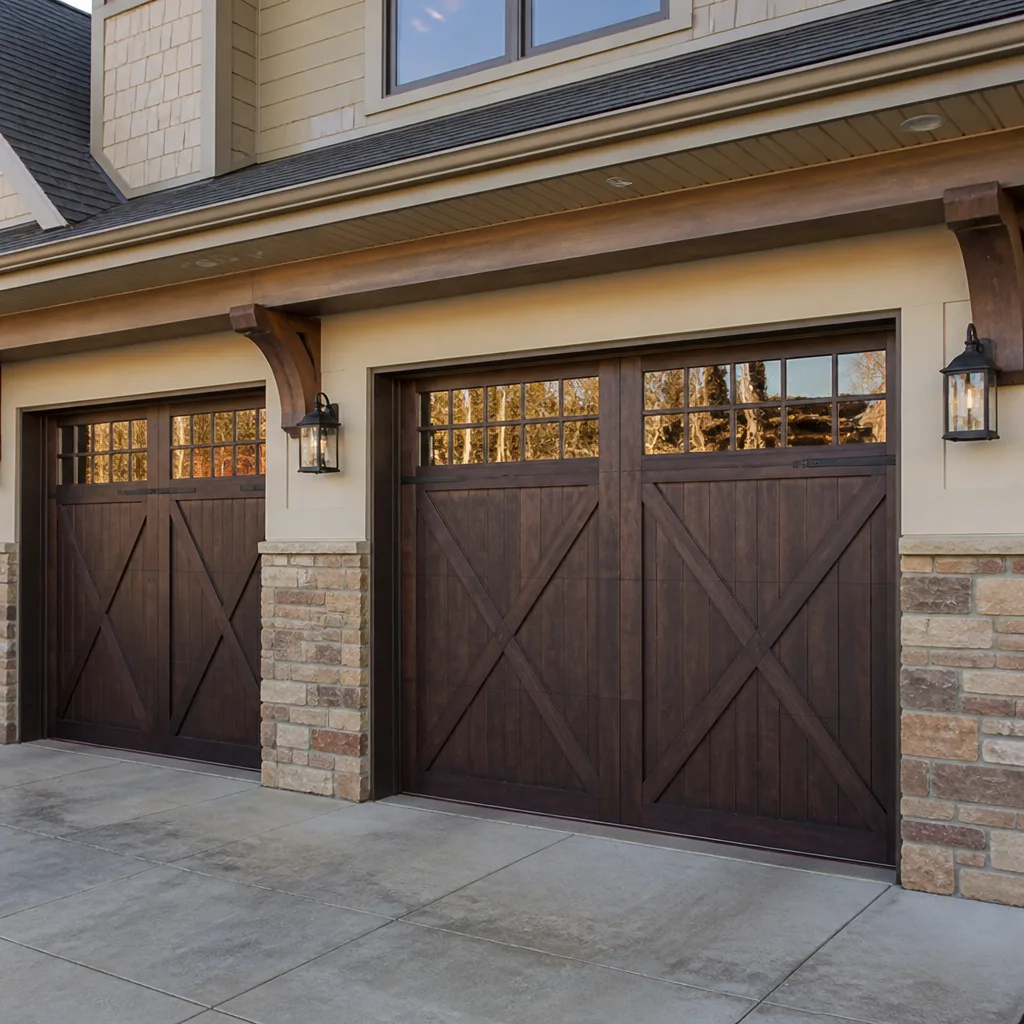 Carriage house
 Modern flush
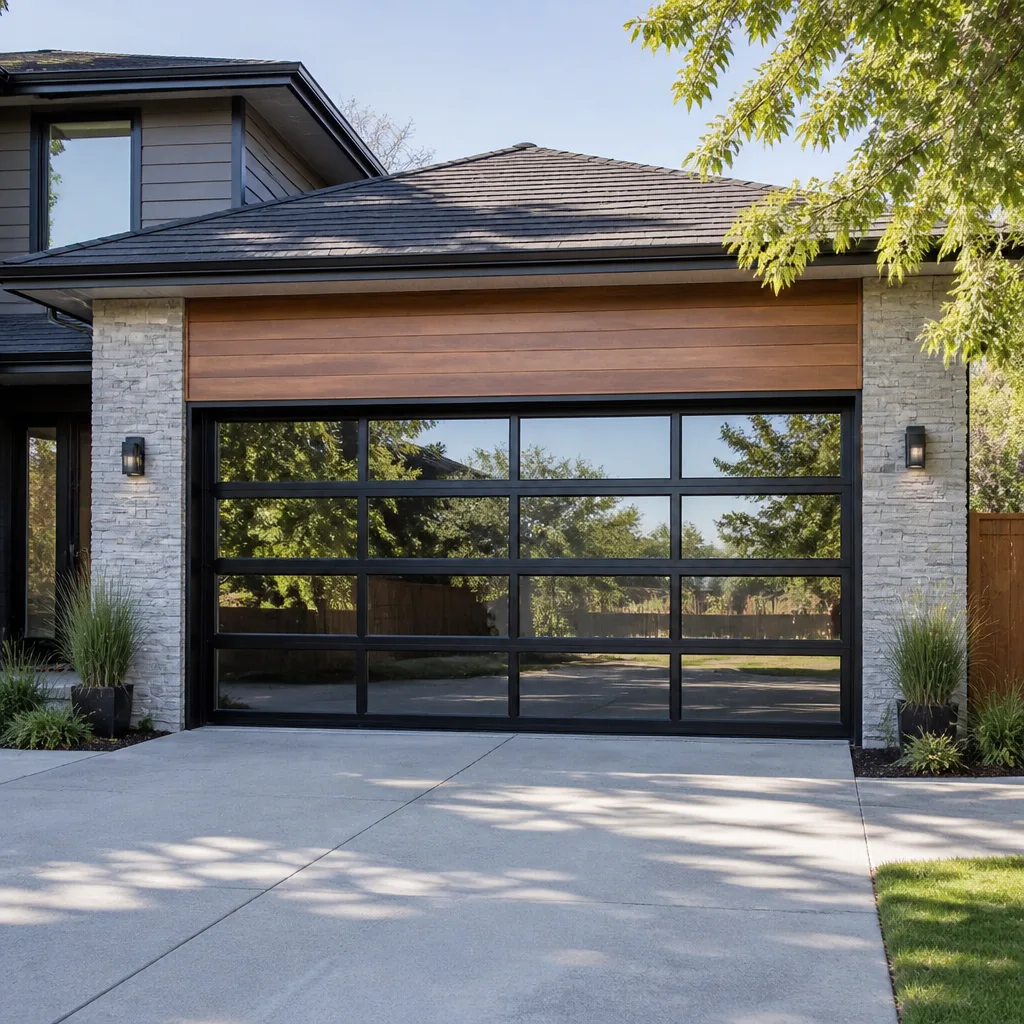 Full-view glass
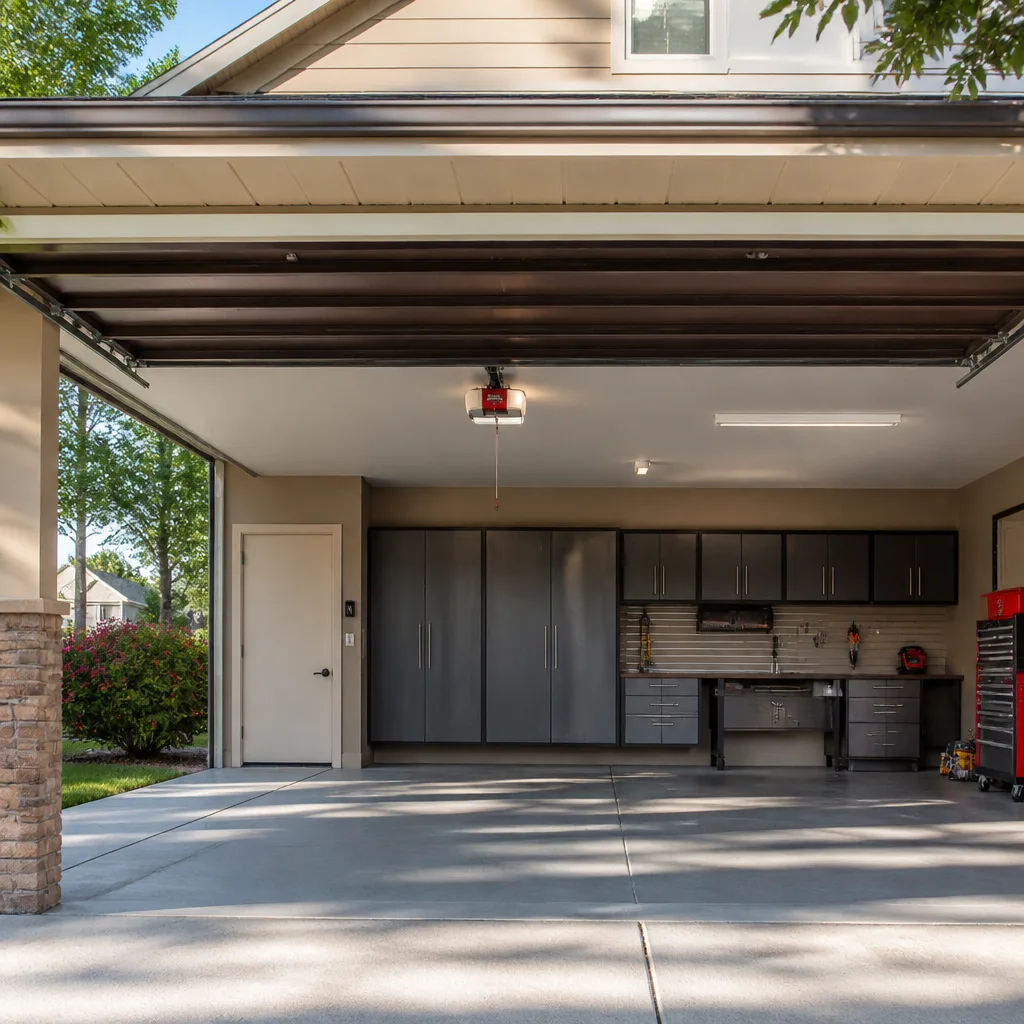 LiftMaster openers
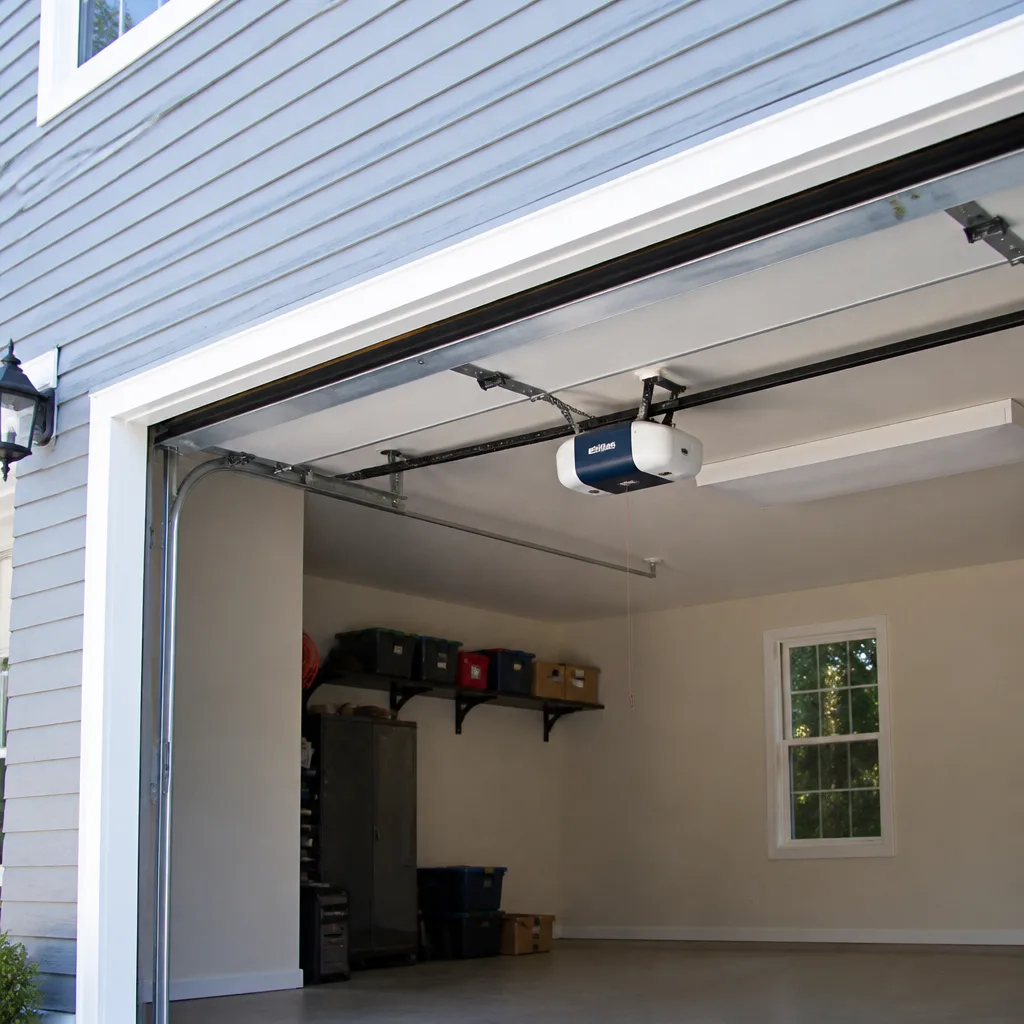 Chamberlain openers
Full 25-point door and opener safety check with every visit - springs, cables, rollers, tracks, and your LiftMaster or Chamberlain opener included
You get a price before we start. It does not change when the pro arrives.
Get your free estimateHow to Hire a Garage Door Contractor in Bristol: A Step-by-Step Guide
A garage door that looks right on day one can still be wrong. A homeowner in Bristol hires the wrong contractor and the door balances fine, opens quietly, and seems to justify the money. Then a torsion spring wound to the wrong tension starts to sag, or an opener gets bracketed into a header that can’t carry the pull, and the trouble shows up months later when the door fights its track or stalls halfway down on a cold morning. The installation wasn’t obviously wrong. It was subtly wrong. That gap between “looks fine” and “built right” is what separates a specialist from a generalist who fits garage doors between kitchen remodels. What follows is a step-by-step method for telling those two apart before you sign anything, with the specific questions that expose vague answers, the licensing gaps in Connecticut that nobody mentions, and how to read a quote honestly. Bristol readers should come away able to run the whole hiring conversation themselves.
Quick Answer
To hire a garage door contractor in Bristol, verify Connecticut registration, ask what they do to torsion springs specifically, get two written quotes with itemized parts and labor, and confirm in writing whether the warranty covers the door or the labor. Then watch the pre-quote visit: a contractor who measures, checks the track and header, and asks about your opener is doing the job right; one who eyeballs the door from the driveway and hands you a ballpark isn’t.
Styles & brands we work with
- Raised-panel steel
- Carriage house
- Modern flush
- Full-view glass
- LiftMaster openers
- Chamberlain openers
Table of Contents
- Step 1: Start With What You Actually Have
- Step 2: The Questions to Ask Before Anyone Quotes
- Step 3: Why Connecticut Licensing Doesn’t Tell the Whole Story
- Step 4: What a Site Visit Should Look Like
- Step 5: How to Compare Quotes That Don’t Match
- Step 6: Warranty on the Door vs. Warranty on the Labor
- Step 7: Red Flags That Show Up Before Work Starts
- Common Mistakes to Avoid
- When to Call a Professional
Step 1: Start With What You Actually Have
Before you call anyone in Bristol, walk out and gather a few facts. Good contractors appreciate a caller who knows their equipment, and it’s the single fastest way to skip a wasted visit. This is a ten-minute job.
- Find the brand and model on the door itself. Look for a sticker on the inside face or the bottom panel. Clopay doors carry a panel label, and many others do too. Write down whatever you find.
- Find the opener’s brand and model. The label sits on the back or side of the motor housing. LiftMaster, Chamberlain, and Genie units are the most common, and knowing which one you have tells a contractor immediately whether a parts run is needed.
- Note the door’s type. Sectional roll-up, a single tilting panel, and carriage-style doors are built completely differently. Say what you have.
- Describe the symptom in plain words. “It goes up two feet and stops” is far more useful than “it’s broken.” “There’s a bang and now it won’t lift” points straight at a spring.
- Take two photos. One of the whole door, one of the spring and track area inside the garage. Send them when you call or request a quote.
Why does any of this matter? Because the most common garage door in Bristol can be one of a handful of brands installed by builders decades ago, and the parts for each are different. A specialist who works on Clopay, LiftMaster, Chamberlain, and Genie equipment constantly can often tell you the likely fix from your description and photos before the truck shows up. A generalist will still need to look, and usually needs to look twice. When you’re ready to compare services, our Bristol Garage Door Repair Co page outlines the five core services we handle, from repairs to full installations.
The other reason to gather facts first: it forces the contractor onto specific ground. A contractor who hears “Clopay, sectional, torsion spring, snapped last night” and gives you a vague “we’ll take a look” is telling you they aren’t fluent in the equipment. A specialist responds with questions of their own. That difference in the first two minutes of a call is worth more than any review page.
Step 2: The Questions to Ask Before Anyone Quotes
This is the heart of the hiring decision. A garage door quote is easy to give and easy to get wrong. The questions below are designed to make a contractor show their work before you commit a dollar. None of them are aggressive; a professional hears them as normal and answers without hesitation.
- “Do you handle torsion springs as a dedicated part of your work, or as an add-on?” Vague answer signal: “Sure, we do a bit of everything.” Spring work is one of the most safety-sensitive repairs in the trade, and a contractor who treats it as a side job is a risk. Our own take: garage door spring repair is a named specialty here, not an afterthought.
- “How do you decide what spring to wind for my door?” Vague answer signal: “The same spring as the last one.” Spring specification depends on door weight and height. A contractor who can’t talk through that is guessing.
- “What brands do you work on regularly?” Vague answer signal: “We can work on anything.” Fluent contractors name actual brands and can tell you which openers they see most.
- “Will you itemize the quote, or bundle it?” Vague answer signal: “It’s one price.” A bundled number is how generalists hide cheap parts and padded labor.
- “Is the warranty on the door, the parts, or the labor? Are they separate?” Vague answer signal: “It’s all covered.” Covered by whom, for how long, and against what?
- “Will you do a site visit before quoting, and is it free?” Vague answer signal: “We can do it over the phone.” Fine for a rough idea, never for a final number.
- “Who does the actual work – you, or someone else you call?” Vague answer signal: “We have guys.” Subcontracting matters when the warranty is on the labor.
The pattern to watch for is not a wrong answer; it’s a smooth answer. Contractors who genuinely know garage doors get specific fast: parts, brand names, specs, torque, track alignment. Generalists stay in the abstract because that’s where they live. For opener questions specifically, our garage door opener repair page covers what a specialist checks first.
Ask for those answers before anyone sets foot in your garage. It changes how the visit goes.
Step 3: Why Connecticut Licensing Doesn’t Tell the Whole Story
Connecticut requires home improvement contractors to register with the state, and verifying registration is a smart first filter. It’s also the most misunderstood part of the garage door hiring decision. Here’s why: a valid registration tells you the business is allowed to contract for home improvement work. It does not tell you whether the person winding your torsion spring actually knows what they’re doing.
Torsion spring work has no separate licensing tier. There’s no “torsion-spring certified” credential in the state system, which means a contractor with a current registration and a contractor who’s replaced two springs ever can carry the same paperwork. The gap is real and it’s where the worst outcomes live – a spring installed with the wrong cycle rating, or a winding bar slip that becomes a serious injury. This is the reason a licensed generalist isn’t the same thing as a garage door specialist.
What to check instead, or alongside the license:
- Ask how many spring jobs they do in a typical month. The answer separates specialists from people who handle the occasional door.
- Ask what safety gear they use on spring work. Correct winding bars, gloves, eye protection – a real answer in seconds.
- Ask whether they check the springs on every door they touch, even for unrelated repairs. Spring problems don’t announce themselves until they let go.
- Ask what they do if the spring they remove was installed wrong by someone else. Look for a specific correction plan, not “we’ll sort it.”
State registration plus these four answers is a far more accurate picture than paperwork alone. If you want to understand what a proper spring repair involves, our garage door repair page walks through the diagnostics we use. If any contractor in Bristol answers the spring questions with a shrug, treat it as the most important signal in this guide.
Step 4: What a Site Visit Should Look Like
A site visit before a quote is not a courtesy: it’s a diagnostic step. Watch what happens. A professional walk-through in Bristol follows a predictable pattern, and the deviations are as telling as the routine.
- They measure the door opening and the door panel height. A quote without measurements is a guess dressed up as a price.
- They check the spring system and the track alignment. Tracks out of plumb show as crooked rollers and uneven close.
- They look at the header and the brackets. A door that pulls on a header not rated for it is a problem waiting for the right cold snap.
- They inspect the opener. Travel limits, force settings, the wall control – all part of a proper install or a proper repair.
- They ask you what the door does, and when. The symptom report matters and a good contractor listens for it.
- They confirm brand on the door and opener. Then they tell you whether parts are on hand or need to be sourced.
What a bad visit looks like is simpler: they never get out of the van’s shadow, glance at the door, and quote you a number. In Bristol’s housing stock – where a lot of doors are original builder-grade and the openers have been replaced once or twice – that kind of estimate is meaningless. The quote needs to be per job, in writing, with the parts named.
Our rule of thumb: no written estimate, no work. Every job we connect a homeowner to is priced and agreed before anyone picks up a tool. No line item surprises after the fact. If a Bristol contractor won’t do a proper site walk first, the price you get is a placeholder that will change once they’re in the garage. That’s the opposite of what you want on a door that failed.
Step 5: How to Compare Quotes That Don’t Match
Here’s the part nobody warns you about: two garage door quotes for the same job often won’t be directly comparable, even when both are itemized. One contractor might quote the door, the opener, and installation, but leave removal and haul-away implicit. Another might quote the door and labor but exclude the opener mounting kit. The temptation is to point at the lower total. Don’t. Do this instead.
Ask each contractor to provide a quote in the same six-line format, so you can see the full scope of the job:
- Door or parts – brand, model, and specified size.
- Hardware – springs, rollers, hinges, track, brackets. Named individually.
- Opener – brand and model, plus mounting kit if separate.
- Labor – installation, adjustment, tuning.
- Removal and disposal – old door, old opener, or any of it.
- Warranty terms – duration and what each covers.
Once both quotes speak the same language, the comparison is meaningful. You’ll often find the difference isn’t price but scope: a cheaper quote that excludes removal may wind up costing more once you arrange disposal yourself. The same logic applies to a repair. Ask for diagnostic findings and replacement parts itemized side by side.
On a repair call, the quote should state what’s being fixed and what it costs, with any additional issues flagged and priced separately. For an issue like a broken spring, that last point is important: a professional often finds a track problem or a worn cable while the spring is out. That’s not an upsell; it’s a finding. The right response is a revised written price, agreed with you before they touch it. Call (888) 794-8841 for a free estimate, and we’ll help you compare two real quotes side by side if you’re stuck.
Step 6: Warranty on the Door vs. Warranty on the Labor
Most homeowners ask “what’s the warranty?” and get a number, usually something like “one year.” That number is nearly useless unless it’s clear which warranty it is. There are two, and they protect different things.
The warranty on the door or parts is usually from the manufacturer. Clopay, for example, builds doors with its own product warranty, and that warranty passes through the installer. It covers defects in the door, panels, and finish. It does not cover a crooked install, a mis-wound spring, or a track that was never properly aligned. Those are install problems, and the manufacturer will decline them.
The warranty on the labor is from the contractor. It covers the fit, adjustment, and workmanship: if the door doesn’t close evenly after a month, or the spring was installed wrong, labor warranty is the one you need. That’s the one to read carefully on any Bristol quote. Ask:
- How long does the labor warranty run, and from what date?
- What does it actually cover – adjustment only, or reinstallation of failed parts?
- If the door or opener fails within the labor warranty period, who pays the return visit?
- Is the labor warranty the contractor’s or a third party’s? If third party, who? For how long?
Which matters more? For a repair: labor. The parts are usually fine; the installation is what fails. For a new installation: both, but in sequence. The manufacturer’s warranty protects the product for years; the labor warranty protects the workmanship in the short window where installation errors show up. A contractor who only talks about the manufacturer’s warranty and won’t discuss labor is hiding the part that’s actually on their shoulders. Our installation work comes with both, and we put the terms in writing before the door is ordered. For more on the installation side, the garage door installation service we connect you to is a good place to start.
Step 7: Red Flags That Show Up Before Work Starts
The worst contractor outcomes are visible before any work begins. The problem is that homeowners don’t know what to look for. Here are the specific signals, all of which surface in the quote stage rather than after.
- The quote is a single number with no breakdown. Bundled quotes are how you can’t tell whether a $400 repair is a $200 part or two door springs wound into a pad.
- They won’t put the warranty in writing. “We stand behind our work” is a slogan, not a warranty. If it’s not written, it doesn’t exist.
- They push a full replacement for a repair-sized problem. Springs fail; doors fail. A contractor who quotes a full door replacement for a broken spring is either unqualified or running a different sale. Get a second opinion.
- They quote over the phone without seeing the door. Fine for an estimate ballpark, not for the final number on a torsion-system job.
- They can’t name the brands they work on. A real specialist works on specific equipment and talks about it in specifics.
- They won’t explain the fix. “We’ll take care of it” is what you hear from contractors who don’t know what “it” is yet.
- They dismiss a safety concern. Rewinding a spring that’s clearly under extreme tension in a garage that isn’t properly shored – no. A real contractor stops and shows you why.
One more, specific to Bristol: pay attention to scheduling pressure. A contractor who can’t seem to show up to quote freely is telling you how they’ll behave on the install. Not a red flag in itself, but a pattern worth noting. If you’re weighing repair versus replacement, our team at Bristol Garage Door Repair Co answers these questions every day and will give you a straight read. Spring failure in particular falls into the category of things to take seriously.
Common Mistakes to Avoid
- Hiring on price alone. A cheap quote that excludes removal, warranty, or proper spring spec is more expensive than a thorough one. Compare itemized scope, not totals.
- Assuming a state license means garage door expertise. Connecticut registration is a floor, not a ceiling. The spring-specific questions in Step 2 are what actually separate specialists from generalists.
- Quoting over the phone and skipping the site visit. In Bristol, doors are often original builder-grade and the door you’re describing may not be the one that’s actually installed. Measure first.
- Accepting “covered” as a warranty answer. Push for who covers what, for how long, and confirm it in writing.
- Letting the contractor decide the spring spec. Ask how they chose your spring. If they can’t explain door weight and torque, walk.
- Missing the opener in the quote. A door or spring replacement often exposes an opener that’s at the end of its life. Have it quoted explicitly, not discovered later.
- Ignoring the header and track check. A door that looks fine but pulls on a header that’s out of spec is a failure waiting to happen. Any quote that skips this isn’t complete.
When to Call a Professional
Some garage door problems are genuinely dangerous to handle yourself, and a failed torsion spring is at the top of the list. A wound spring stores enough energy to cause serious injury in a fraction of a second, and no garage door is worth that risk. Call a professional if any of these are true: you heard a loud bang from the garage and the door won’t lift; the door is visibly crooked or off its track; the opener runs but the door doesn’t move; you see a snapped or sagging spring; the door reverses or falls when it should hold. On the repair side, our technicians have up to 15 years of experience, and we answer 24/7. Fast dispatch from 7am to 7pm, Sunday through Friday, if your door fails on a Saturday we’ll book you into the next opening. Bristol Garage Door Repair Co offers free estimates in Bristol – call (888) 794-8841.
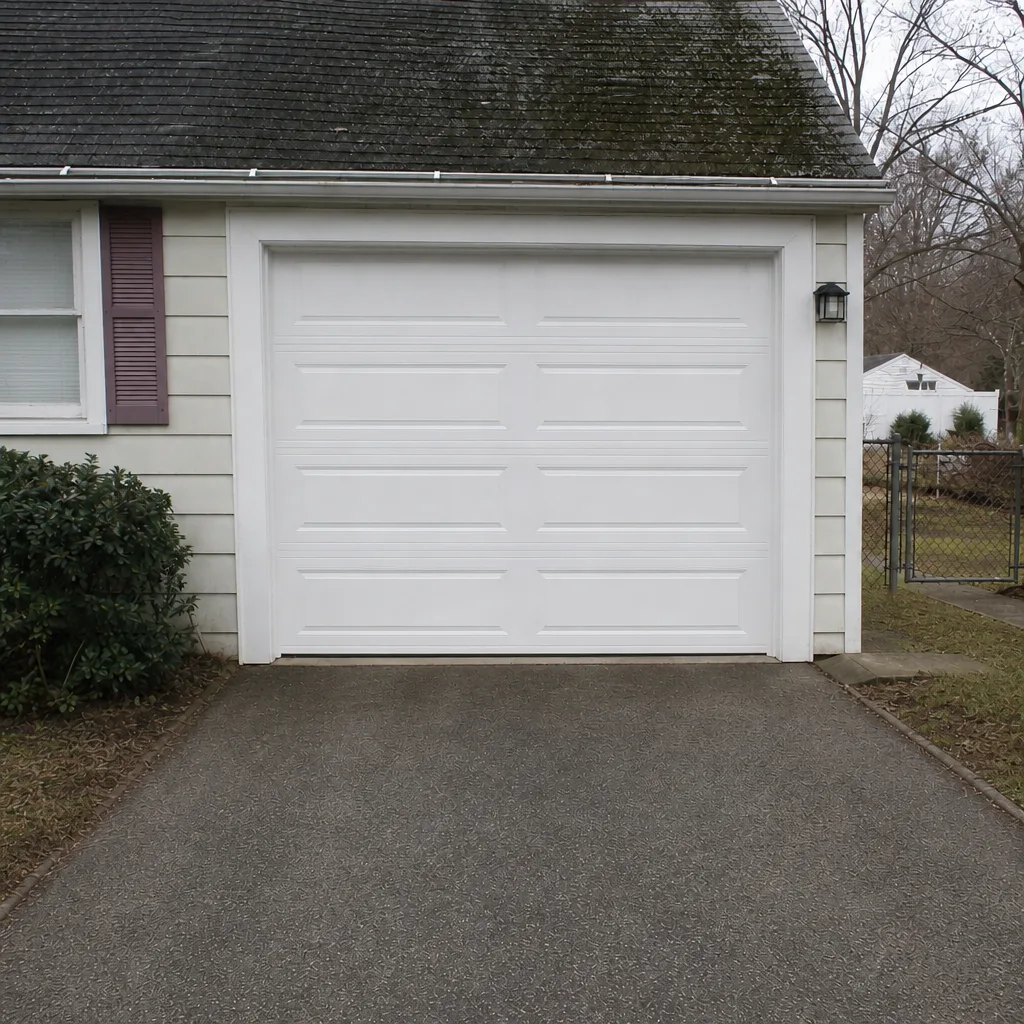
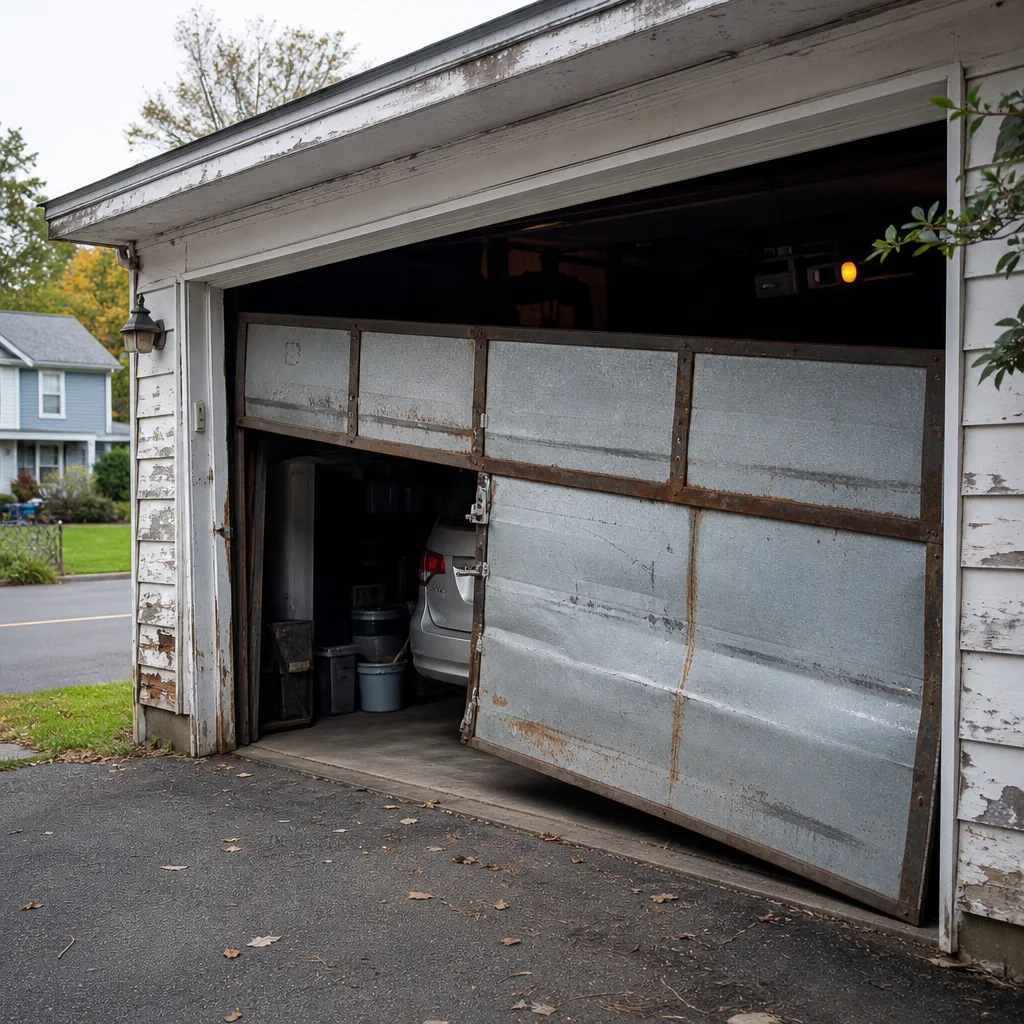
See the difference
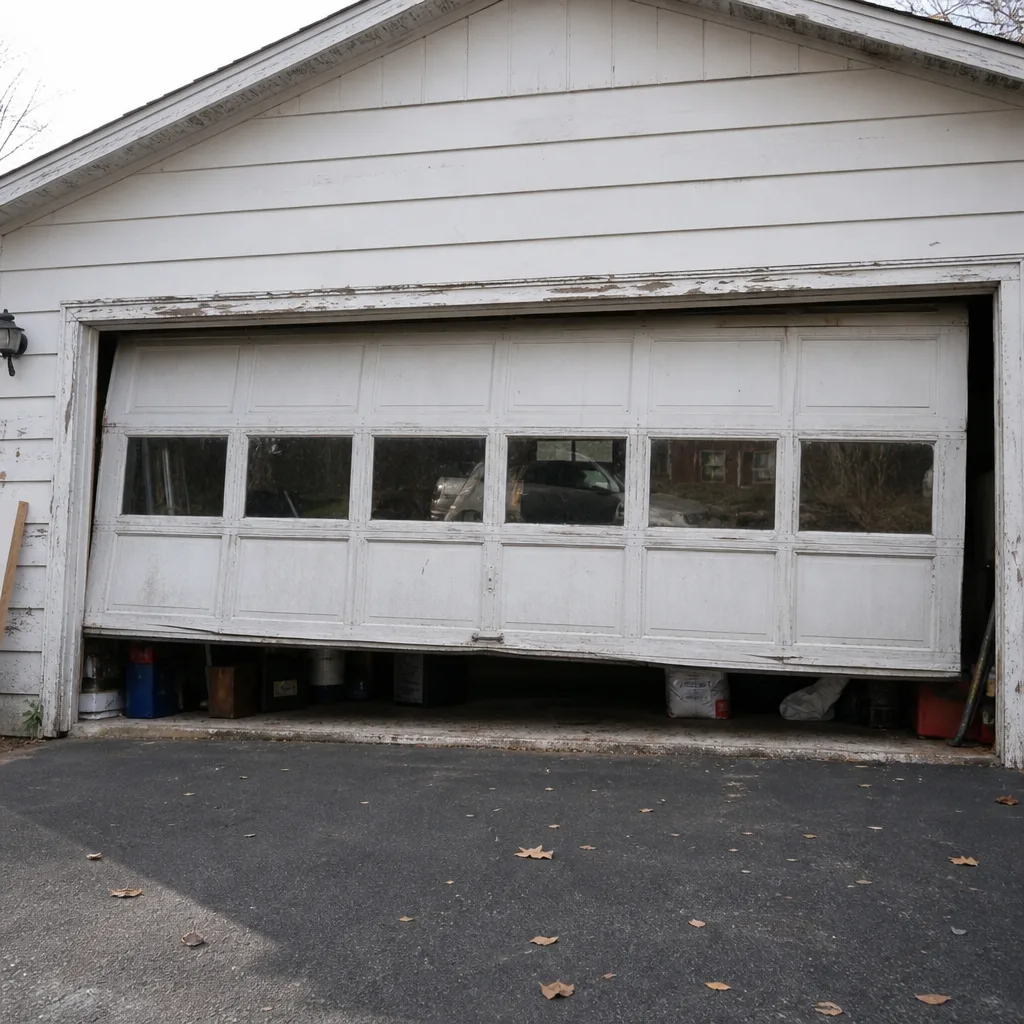 Before
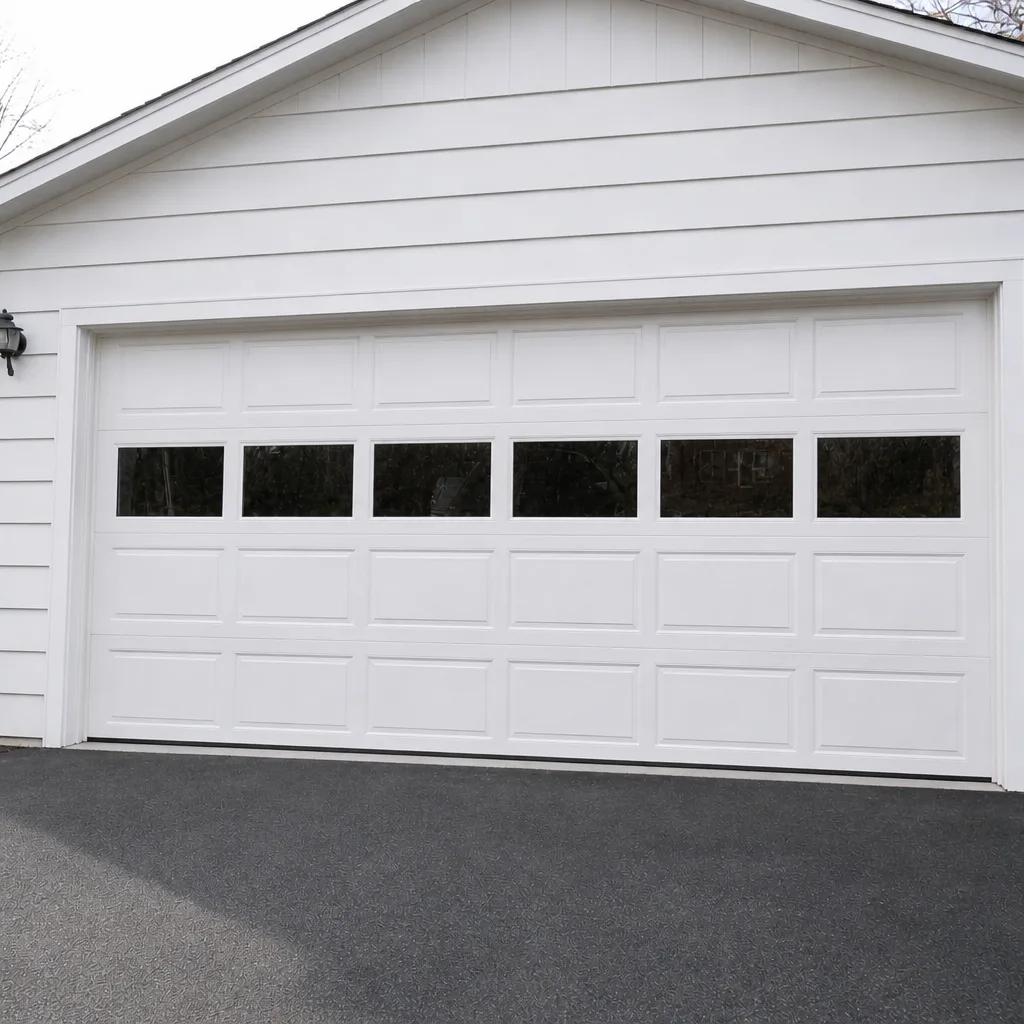 After
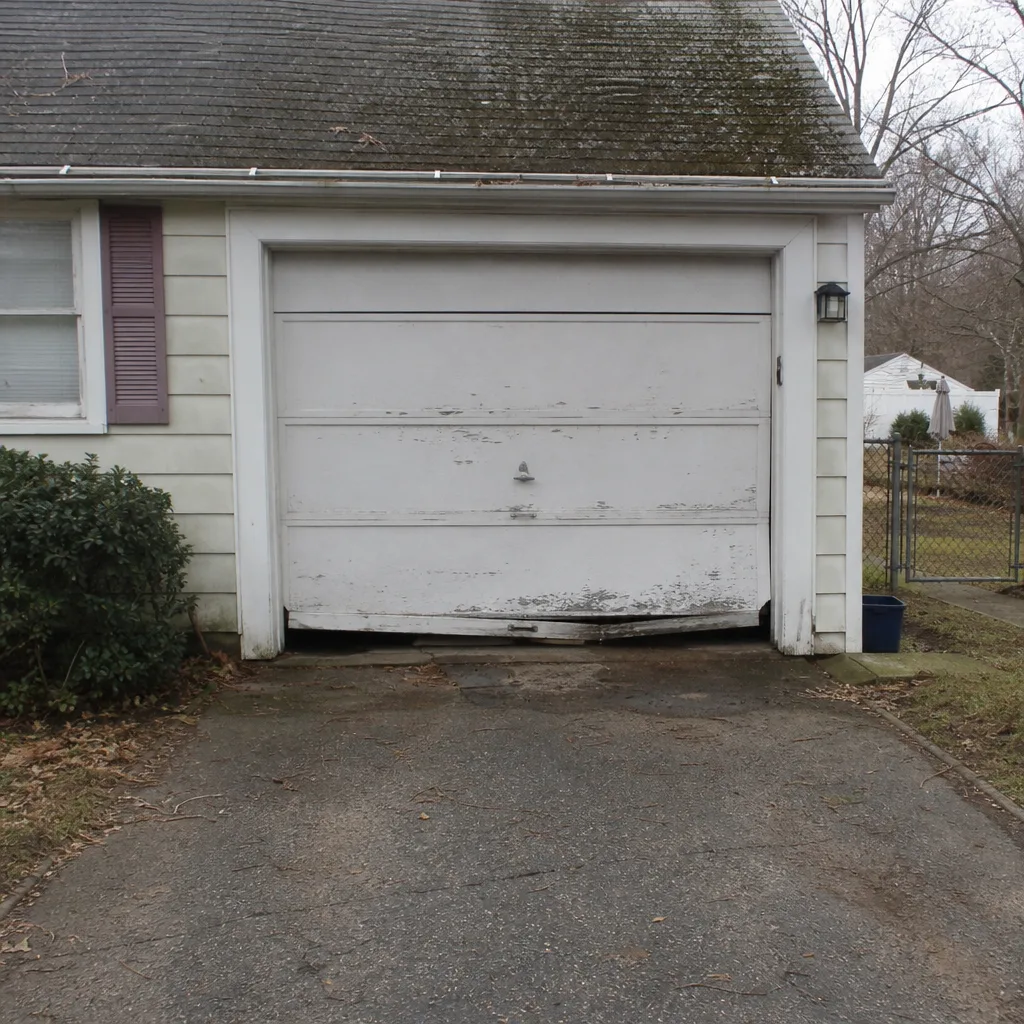 Before
 After
 Before
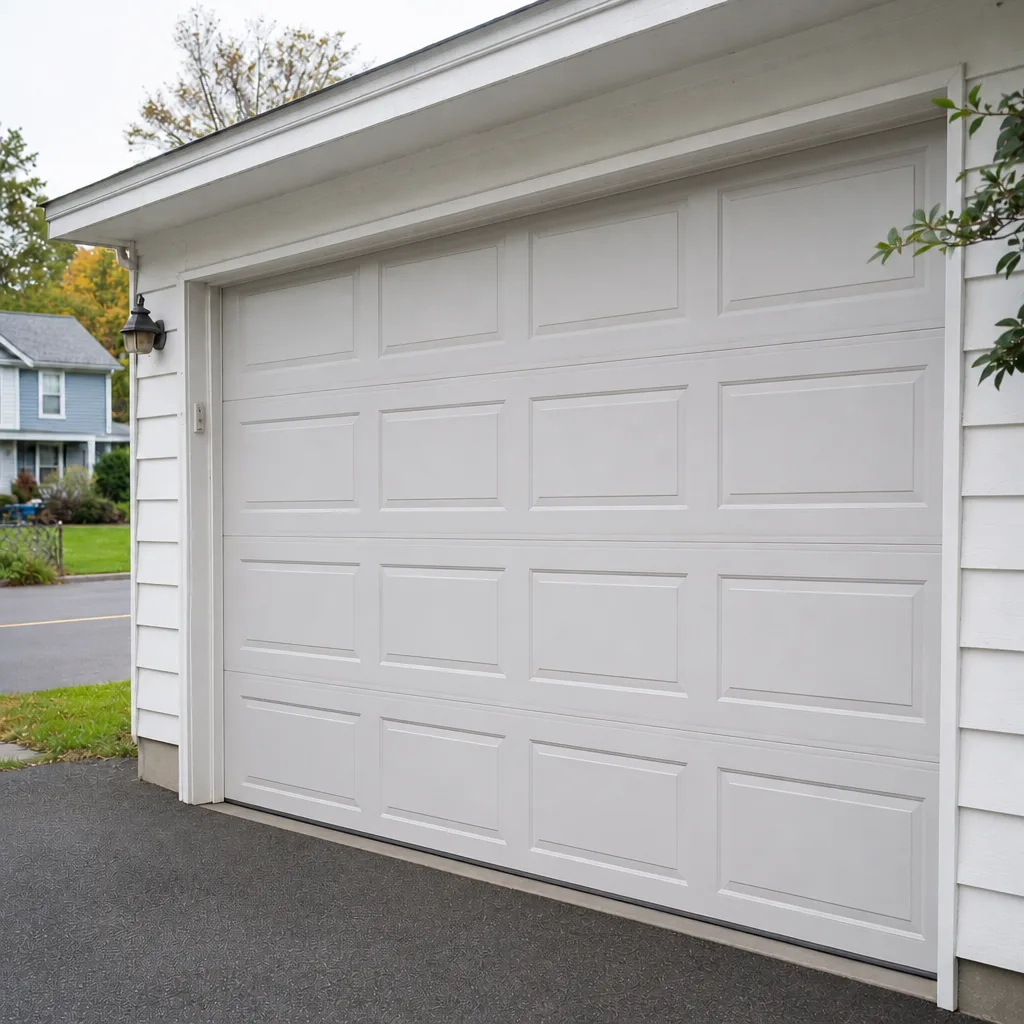 After
Frequently Asked Questions
The strongest signal is fluency in specifics rather than paperwork. A qualified contractor can tell you how they specify a torsion spring for a given door weight, name the brands they work on, itemize a quote, and explain their warranty in written terms. Connecticut registration matters, but it doesn’t guarantee spring expertise, so ask the questions in Step 2 and listen for specific answers. Our technicians have up to 15 years of experience and can talk through any job in Bristol. Call (888) 794-8841 for a free estimate.
Ask four things at minimum: whether they handle torsion springs as a dedicated part of their work, how they choose the spring specification for your door, whether they’ll do a site visit before quoting, and what their labor warranty covers. A contractor who hesitates on any of them is worth a second look. Getting clear, specific answers before the visit is the single best predictor of how the job will go. Call (888) 794-8841 if you’d like to run your questions past a specialist.
Yes, two to three written quotes is the right range. The value isn’t in picking the lowest: it’s in comparing scope across jobs. Ask each contractor to quote the same six-line format (door, hardware, opener, labor, removal, warranty) so the comparison is meaningful. Two thorough quotes give you a much clearer picture than three different formats. Call (888) 794-8841 if you’d like a comparison quote from a Bristol specialists.
No. Connecticut registration is a requirement, not a qualification for spring work specifically. Torsion springs have no separate licensing tier in the state, so a registered generalist and a specialist can carry the same paperwork. Ask about their spring experience directly and watch how specific the answer is. Call (888) 794-8841 for a free estimate in Bristol.
The manufacturer’s warranty covers defects in the door or parts; the labor warranty covers the workmanship of the installer. On a repair, the labor warranty matters most because springs and adjustment are installation-sensitive. On a new install, both are important in sequence. Ask for both terms in writing and confirm which party honors each, then call (888) 794-8841 with any questions.
A rough estimate over the phone is fine, but a final quote for spring or installation work isn’t. Door weight, header condition, and track condition can’t be judged from a phone description, so any final number quoted blind is a placeholder. Require a site visit before you sign anything. Call (888) 794-8841. We answer 24/7. Fast dispatch from 7am to 7pm, Sunday through Friday, and the estimate is free.
The Bottom Line
Hiring a garage door contractor in Bristol comes down to filtering for specialization, not just licensing. Verify Connecticut registration, then ask the questions that expose whether someone actually works on torsion systems or treats garage doors as a side job. Require a site visit, insist on an itemized quote in the same six-line format, and get the labor warranty in writing. Watch the red flags that show up in the quote stage: bundled prices, refusal to put terms in writing, phone-only estimates. None of these guarantees a perfect outcome, but they’ll filter out the contractors whose work only looks right until winter. Our team at Bristol Garage Door Repair Co is here when you’re ready to compare. Call (888) 794-8841 for a free estimate.
Written by the team at Bristol Garage Door Repair Co.